
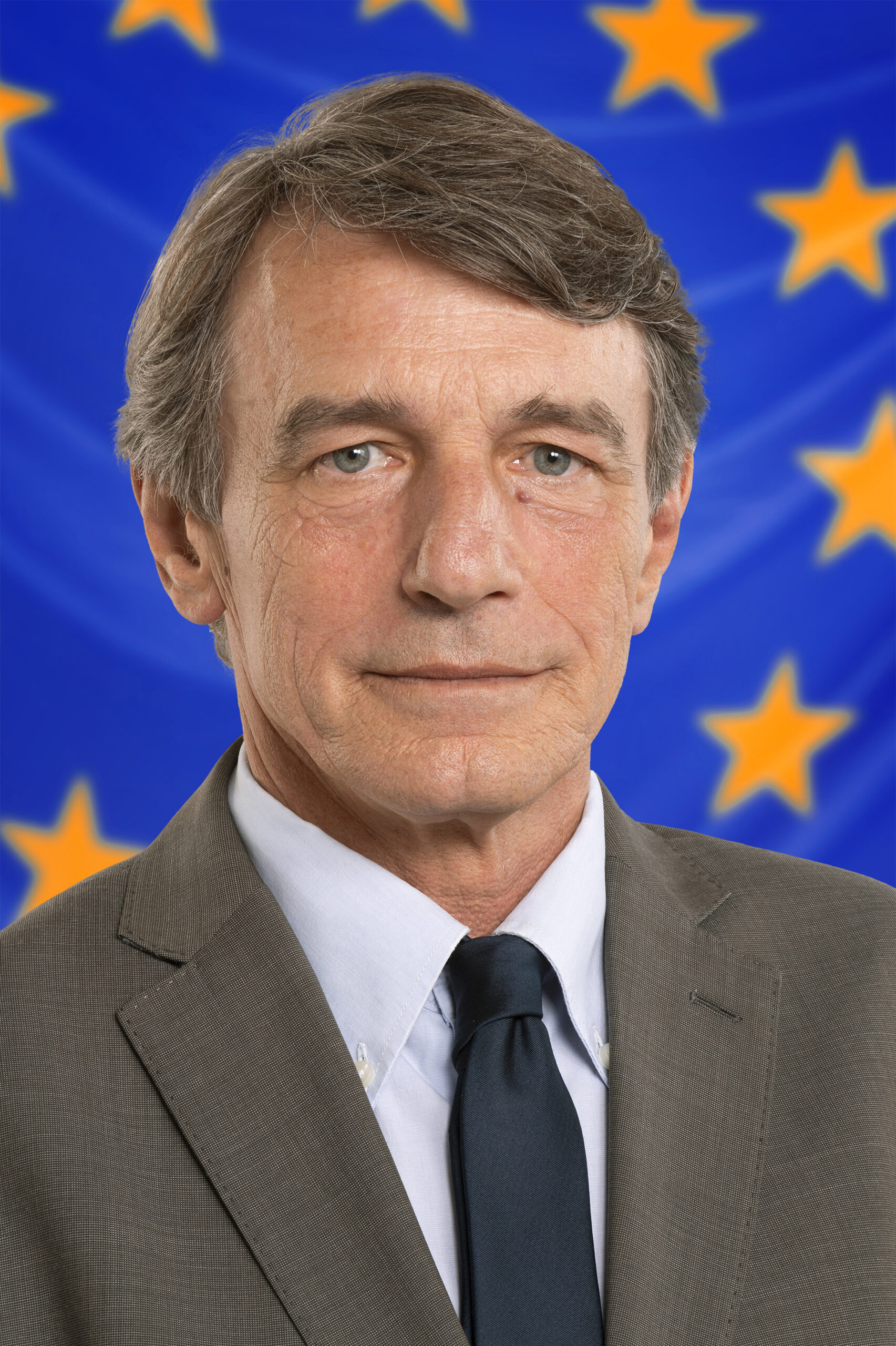
David Maria Sassoli, born on May 30, 1956, in Florence, Italy, was a prominent figure in European politics, journalism, and public service. His life journey is marked by his significant contributions to journalism and his impactful role in the European Parliament. This article delves into the life, career, and legacy of David Sassoli, exploring his rise to fame, his professional milestones, and the historical context that shaped his career.
Early Life and Education
David Sassoli was born and raised in Florence, a city rich in history and culture, which undoubtedly influenced his worldview. From a young age, Sassoli displayed a keen interest in public affairs and communication. He pursued higher education at the University of Florence, where he studied political science at the Faculty of Political Sciences Cesare Alfieri. This academic foundation provided him with the tools to critically analyze and engage with the political landscape, a skill that would prove invaluable in his later career as both a journalist and a politician.
A Flourishing Career in Journalism
Sassoli’s career in journalism began shortly after his graduation. He started by collaborating with small newspapers and news agencies, where he honed his skills in reporting and editorial work. His first significant role was with the Roman editorial office of the daily newspaper “Il Giorno,” where he spent seven years covering major political and current events. This experience was pivotal in establishing his reputation as a credible and insightful journalist.
In 1986, Sassoli officially became a professional journalist, a milestone that marked the beginning of a distinguished career in Italian media. His transition from print to television came in 1992 when he joined the Italian public broadcaster RAI. At RAI, Sassoli worked as a news reporter for TG3, covering significant national and international events. His reporting style, characterized by clarity and depth, resonated with the audience, and he quickly became a trusted face in Italian journalism.
By 1996, Sassoli had advanced to hosting and producing various television programs. He became the anchor of “Cronaca in diretta” on RAI 2, a popular afternoon news program. His success in this role led to further opportunities within RAI, where he eventually became the anchor for the flagship TG1 news broadcasts. Under the direction of Gianni Riotta, Sassoli was appointed Deputy Director of TG1, where he oversaw in-depth weekly programs like “Speciale TG1” and “Tv7.” His tenure at TG1 solidified his status as one of Italy’s most respected journalists.
Entry into Politics and European Leadership
David Sassoli’s transition from journalism to politics was driven by his desire to contribute more directly to public service. In 2009, he decided to run for the European Parliament as a candidate for the Democratic Party (PD). His campaign was focused on advocating for social justice, transparency, and the strengthening of European unity. Sassoli was elected as the head of the Democratic Party’s delegation within the Progressive Alliance of Socialists and Democrats (S&D) group in the European Parliament.
Sassoli’s political career was marked by his dedication to European integration and his commitment to democratic values. In 2014, he was re-elected to the European Parliament, where he served as Vice President from 2014 to 2019. During this period, he played a key role in legislative processes and represented the Parliament in various international forums.
His leadership and vision were recognized in 2019 when he was elected President of the European Parliament. Sassoli’s presidency was characterized by his efforts to promote solidarity among European nations, defend human rights, and address the challenges posed by digital transformation and climate change. He was known for his ability to build consensus and for his unwavering commitment to the principles of democracy and freedom.
Personal Life and Legacy
David Sassoli was more than just a public figure; he was a devoted family man. He was married to Alessandra Vittorini, an architect, and the couple had two children, Giulio and Livia. Sassoli’s family was a source of strength and support throughout his career, and he often spoke of the importance of family values in his public addresses.
Sassoli was also an ardent supporter of freedom of expression and was actively involved in the association “Article 21, liberi di…” This organization, comprising journalists, writers, directors, and jurists, aimed to promote the principle of freedom of thought and expression, a cause that was close to Sassoli’s heart.
Challenges and Final Years
In September 2021, David Sassoli contracted Legionnaires’ disease, a severe form of pneumonia caused by the Legionella bacteria. Despite receiving treatment, his health deteriorated, and he was admitted to an oncological center in Aviano, Italy. Tragically, David Sassoli passed away on January 11, 2022, at the age of 65. His death was a significant loss to the European political landscape and the world of journalism.
The outpouring of grief following his death underscored the impact of his work and the respect he commanded across Europe. Ursula von der Leyen, President of the European Commission, expressed her deep sadness at his passing, describing him as a passionate journalist, an extraordinary President of the European Parliament, and a dear friend.
Historical Context and Influence
David Sassoli’s career and contributions cannot be fully understood without considering the broader historical and political context in which he operated. Born in the post-war period, Sassoli grew up during a time of significant political and social change in Italy and Europe. The Cold War, the rise of the European Union, and the challenges of globalization were key factors that shaped his worldview.
As a journalist, Sassoli was part of a generation that witnessed and reported on the transformation of Europe from a continent divided by ideological lines to one striving for unity and cooperation. His work in the European Parliament reflected his belief in the importance of European integration as a means to ensure peace, stability, and prosperity for all member states.
Sassoli’s legacy is also closely tied to the challenges that Europe faced during his tenure as President of the European Parliament. The rise of populism, the refugee crisis, and the ongoing debates about the future of the European Union were central issues that he addressed with a focus on human dignity, solidarity, and the rule of law.
Conclusion
David Sassoli’s life was a testament to the power of dedication, integrity, and public service. From his early days as a journalist to his role as President of the European Parliament, Sassoli consistently championed the values of democracy, freedom, and European unity. His contributions to journalism and politics have left an indelible mark on Europe, and his legacy will continue to inspire future generations of leaders and citizens alike.
As we reflect on David Sassoli’s life and career, it is clear that his work was driven by a deep commitment to the common good and a belief in the potential of Europe to be a force for positive change in the world. His life serves as a reminder of the importance of public service and the impact that one individual can have on the course of history.


