
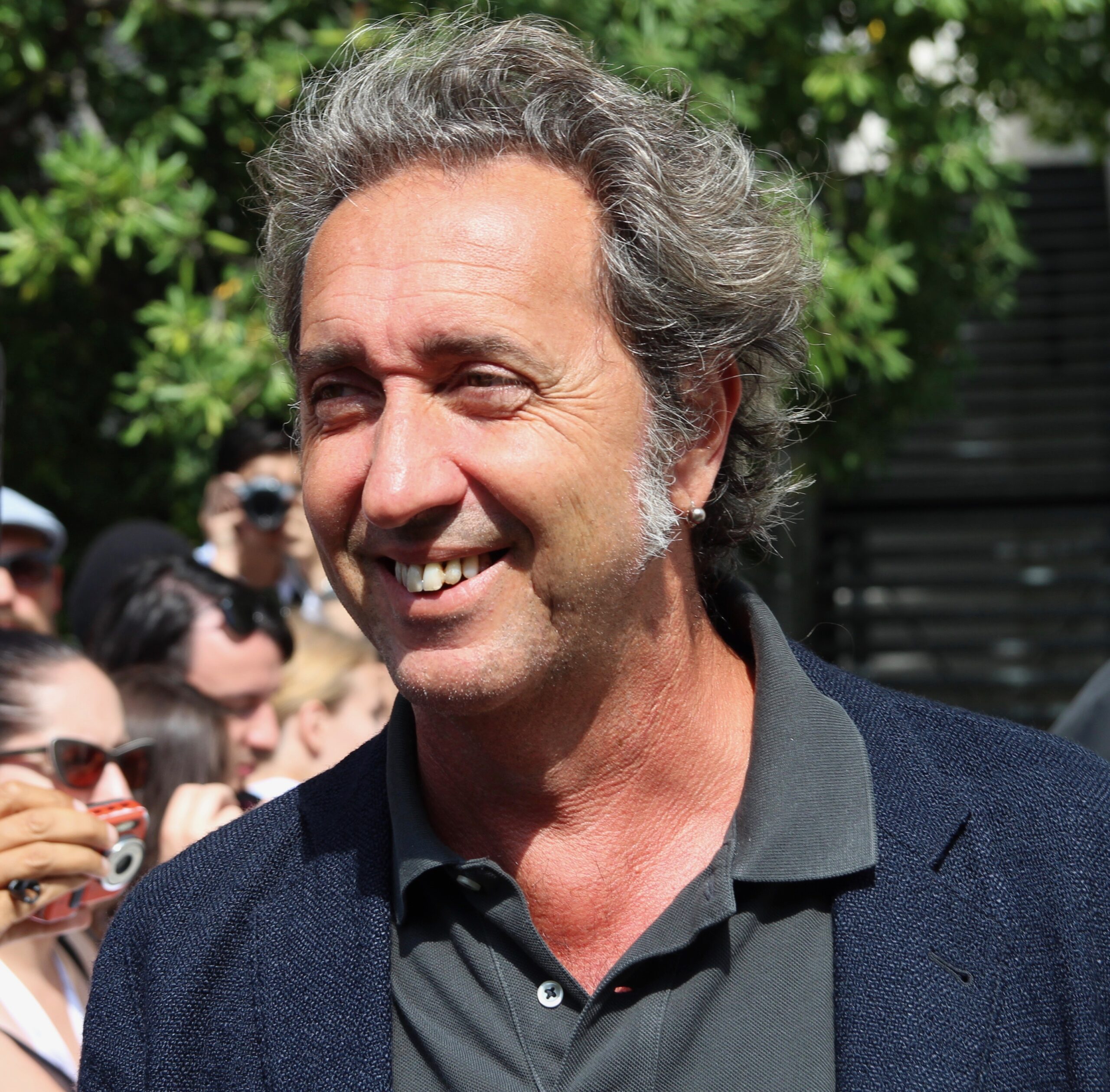
Paolo Sorrentino, born on May 31, 1970, in Naples, Italy, is a filmmaker whose work has left an indelible mark on international cinema. Known for his distinct visual style, profound storytelling, and exploration of complex themes, Sorrentino has become one of the most acclaimed directors of his generation. His journey from a young boy in Naples to an Oscar-winning filmmaker is a story of talent, resilience, and a deep love for the art of cinema.
Early Life and Tragic Beginnings
Paolo Sorrentino’s early life was marked by tragedy. At the age of 17, he lost both of his parents in a tragic accident. This profound loss would later influence his work, imbuing it with a sense of melancholy and a deep exploration of human emotions. Despite the tragedy, Sorrentino pursued his studies, enrolling at the University of Naples Federico II to study economics. However, his passion for cinema soon took precedence, and he left the university to pursue a career in filmmaking.
His early experiences in the film industry were varied, as he took on different roles, including production assistant and screenwriter. These formative years allowed him to gain a comprehensive understanding of the filmmaking process and prepared him for his eventual directorial debut.
Breaking into the Film Industry: Early Works
Sorrentino’s first significant work in the film industry came in 1994 when he co-directed the short film Un paradiso with Stefano Russo. Although it did not gain widespread attention, it marked the beginning of Sorrentino’s career in filmmaking. He continued to work behind the scenes, serving as an assistant director and honing his craft in screenwriting.
In 2001, Sorrentino made his feature film debut with L’uomo in più (The Extra Man), a film that would set the tone for his future works. The film, which tells the parallel stories of a disgraced soccer player and a down-and-out singer, was critically acclaimed and won several awards, including the Ciak d’Oro for Best Screenplay and the Nastro d’Argento for Best New Director. It also marked the beginning of a long and fruitful collaboration with actor Toni Servillo, who would become a regular in Sorrentino’s films.
The Rise to International Fame: Le Conseguenze dell’Amore and Il Divo
Sorrentino’s breakthrough came in 2004 with the release of Le Conseguenze dell’Amore (The Consequences of Love). The film, which starred Toni Servillo as a mysterious and lonely businessman, was a critical and commercial success. It was presented at the Cannes Film Festival, where it received widespread acclaim, and went on to win five David di Donatello Awards, including Best Director and Best Film. The film’s exploration of isolation, power, and the human condition showcased Sorrentino’s ability to blend gripping narratives with a visually arresting style.
In 2008, Sorrentino reached new heights with Il Divo, a biographical drama about the life of Giulio Andreotti, a controversial Italian politician. Once again, Toni Servillo took the lead role, delivering a mesmerizing performance that captured the enigmatic nature of Andreotti. Il Divo was lauded by critics for its bold storytelling and Sorrentino’s distinctive directorial approach. The film won the Jury Prize at the Cannes Film Festival and solidified Sorrentino’s reputation as one of Europe’s most important filmmakers.
Venturing into English-Language Cinema: This Must Be the Place
In 2011, Sorrentino made his first foray into English-language cinema with This Must Be the Place, starring Sean Penn as a retired rock star on a quest to find his father’s Nazi persecutor. The film, while receiving mixed reviews, was praised for its originality and Penn’s performance. It demonstrated Sorrentino’s willingness to take risks and his ability to work within different cinematic traditions while maintaining his unique voice.
This Must Be the Place was a turning point in Sorrentino’s career, as it introduced him to a broader international audience and showcased his versatility as a filmmaker. The film’s eclectic style and unconventional narrative structure further emphasized Sorrentino’s commitment to pushing the boundaries of cinema.
The Pinnacle of Success: La Grande Bellezza
Sorrentino’s magnum opus, La Grande Bellezza (The Great Beauty), was released in 2013 and quickly became a cultural phenomenon. The film, which stars Toni Servillo as Jep Gambardella, a jaded writer reflecting on his life amidst the decadence of modern Rome, is a stunning exploration of beauty, mortality, and the passage of time.
La Grande Bellezza was praised for its visual opulence, intricate storytelling, and philosophical depth. It was often compared to the works of Federico Fellini, particularly La Dolce Vita, due to its portrayal of Rome and its exploration of existential themes. The film won numerous awards, including the Academy Award for Best Foreign Language Film, the Golden Globe for Best Foreign Language Film, and the BAFTA for Best Film Not in the English Language.
The success of La Grande Bellezza catapulted Sorrentino to international stardom, establishing him as one of the most significant filmmakers of his time. The film’s impact extended beyond the cinematic world, influencing discussions on art, culture, and the nature of beauty in contemporary society.
Further Explorations: Youth and Loro
Following the success of La Grande Bellezza, Sorrentino continued to explore themes of aging, power, and the human experience. In 2015, he released Youth, a film set in a luxury hotel in the Swiss Alps, starring Michael Caine and Harvey Keitel as two aging artists reflecting on their lives and careers. Youth was another visually stunning and emotionally resonant work, earning praise for its performances, direction, and cinematography. It was nominated for the Palme d’Or at the Cannes Film Festival and won several European Film Awards.
In 2018, Sorrentino turned his attention to contemporary Italian politics with Loro, a satirical biographical film about former Italian Prime Minister Silvio Berlusconi. The film, divided into two parts, starred Toni Servillo as Berlusconi and provided a critical and often surreal examination of the excesses and controversies surrounding the media mogul and politician. While Loro received mixed reviews, it was noted for its ambitious scope and Sorrentino’s continued ability to blend sharp social commentary with a distinct visual style.
Returning to His Roots: È stata la mano di Dio
In 2021, Sorrentino returned to his roots with È stata la mano di Dio (The Hand of God), a deeply personal film inspired by his own life experiences. The film, set in Naples in the 1980s, follows the story of a young boy whose life is changed by a series of unexpected events, mirroring Sorrentino’s own youth and the loss of his parents. The film was warmly received at the Venice Film Festival, where it won the Grand Jury Prize.
È stata la mano di Dio is considered one of Sorrentino’s most intimate and autobiographical works, offering insight into the formative experiences that shaped his career and artistic vision. The film’s exploration of memory, fate, and the influence of cinema on personal identity resonated with audiences and critics alike, reaffirming Sorrentino’s status as a master storyteller.
Legacy and Impact on Cinema
Paolo Sorrentino’s contribution to cinema extends beyond his individual films. His work has influenced a new generation of filmmakers and has been instrumental in bringing Italian cinema back to the forefront of global cinema. His films are known for their rich visual style, complex characters, and philosophical explorations of life, beauty, and morality.
Sorrentino’s influence can be seen in the way contemporary filmmakers approach the blending of visual artistry with narrative depth. His ability to craft films that are both intellectually engaging and visually stunning has set a new standard for cinematic excellence.
Moreover, Sorrentino’s dedication to his craft, whether through his detailed direction or his careful screenwriting, has earned him a place among the most respected filmmakers in the world. His films often reflect the complexities of the human condition, offering audiences not just entertainment, but a deep, reflective experience.
The Future of Paolo Sorrentino
As Paolo Sorrentino continues to create, the future of his career looks promising. With a body of work that spans over two decades, he has already left a lasting legacy in the world of cinema. His ability to innovate while staying true to his artistic roots ensures that whatever projects he undertakes next will be met with both anticipation and admiration.
In a cinematic landscape that is constantly evolving, Sorrentino remains a beacon of creativity and artistic integrity. His films not only capture the essence of contemporary life but also challenge audiences to reflect on the deeper aspects of existence. As he continues to push the boundaries of storytelling and visual expression, Sorrentino’s impact on cinema will undoubtedly continue to grow.
In conclusion, Paolo Sorrentino is not just a filmmaker; he is a visionary artist whose work has transcended cultural and linguistic barriers to touch audiences worldwide. His films, characterized by their visual beauty and emotional depth, continue to inspire and provoke thought, ensuring that his place in the pantheon of great directors is well secured.


