
How to Write a Professional Email: A Comprehensive Guide
Are you struggling to write a professional email that leaves a lasting impression on your readers? Look no further! In this article, we will guide you through the process of crafting a well-written email that is sure to impress.
Understanding The Basics of Email Writing
Before we dive into the specifics of writing a professional email, it’s essential to understand the basics of email writing. Emails are a form of written communication that can be easily sent and received via digital means. They are often used for business, personal, or social purposes.
The Importance of a Well-structured Email
A well-structured email is crucial in conveying your message effectively. It should have a clear subject line, a concise body, and a professional closing. The structure of an email may vary depending on the context, but it’s essential to follow a basic format that includes:
- Subject Line: A brief summary of the email’s content.
- Body: The main content of the email, which should be concise and clear.
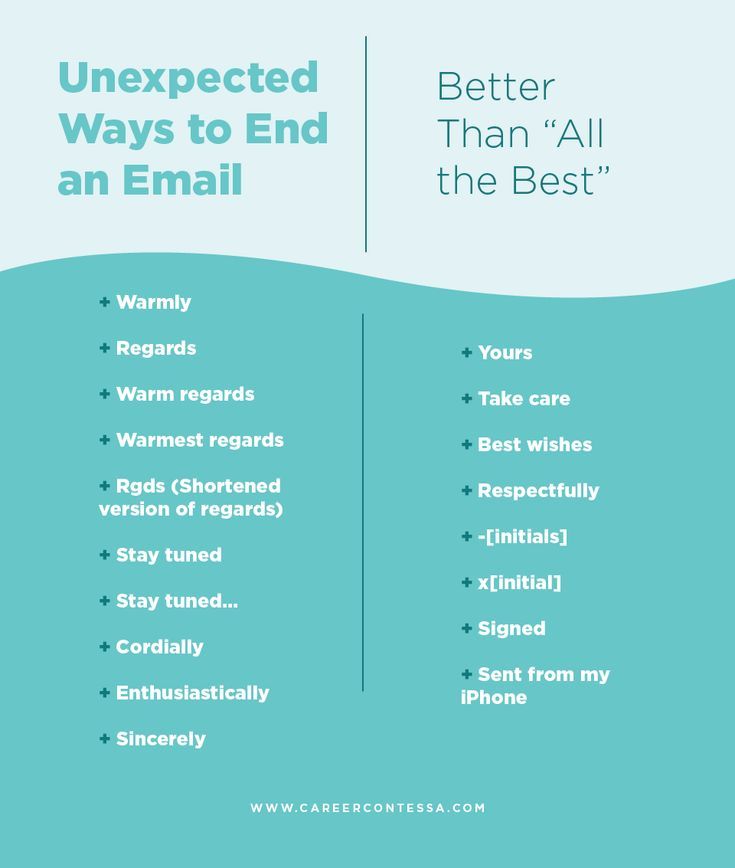
- Closing: A professional way to end the email, such as “Best regards” or “Thank you.”
Crafting a Compelling Subject Line
The subject line is the first thing the reader sees when they receive your email. It’s essential to craft a compelling subject line that grabs the reader’s attention and encourages them to open the email.
- Keep it Short: A subject line should be concise and to the point.
- Use Keywords: Use relevant keywords that relate to the content of the email.
- Make it Engaging: Make sure the subject line is engaging and encourages the reader to open the email.
Writing a Clear And Concise Body
The body of the email is where you convey your message. It’s essential to write a clear and concise body that is easy to read and understand.
- Use Simple Language: Avoid using complex language or jargon.
- Be Clear And Concise: Make sure the content is clear and concise, avoiding unnecessary details.
- Proofread: Proofread your email to ensure there are no grammatical errors or typos.
The Art of Closing an Email Professionally
Closing an email professionally is just as important as writing it. A well-crafted closing can leave a lasting impression on the reader.
- Use Professional Sign-offs: Use professional sign-offs such as “Best regards” or “Thank you.”
- Sign Your Name: Make sure to sign your name at the end of the email.
- Include Contact Information: Include your contact information, such as your phone number and email address.
Additional Tips For Writing a Professional Email
Here are some additional tips for writing a professional email:
- Use a Formal Tone: Use a formal tone that is respectful and professional.
- Avoid Using Jargon: Avoid using jargon or technical terms that may be unfamiliar to the reader.
- Proofread: Proofread your email to ensure there are no grammatical errors or typos.
Conclusion
Writing a professional email takes time and effort, but it’s essential for effective communication. By following these tips, you can craft an email that is sure to impress and leave a lasting impression on the reader.
Frequently Asked Questions (FAQs)
Here are some frequently asked questions related to writing a professional email:
- Q: How Long Should The Subject Line Be?
A: The subject line should be concise and to the point, ideally no longer than 5-7 words. - Q: What is The Best Way to End an Email Professionally?
A: The best way to end an email professionally is to use a formal sign-off such as “Best regards” or “Thank you.” - Q: Why is it Essential to Proofread my Email?
A: It’s essential to proofread your email to ensure there are no grammatical errors or typos that may detract from the professionalism of the email.
Conclusion
In conclusion, writing a professional email requires time and effort, but it’s essential for effective communication. By following these tips, you can craft an email that is sure to impress and leave a lasting impression on the reader.


