
The Dark Side of Cybersecurity: Understanding Trojan Viruses
As we navigate the vast digital landscape, it’s essential to be aware of the threats lurking in the shadows. One such menace is the trojan virus, a type of malware that has been wreaking havoc on computer systems and mobile devices for years. In this article, we’ll delve into the world of trojans, exploring what they are, how they function, and most importantly, how to protect yourself from their malicious effects.
What is a Trojan Virus?
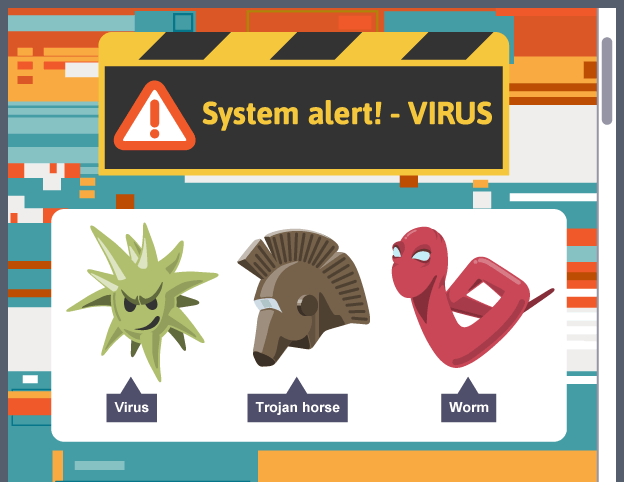
The name “trojan” originates from the legendary story of the Trojan Horse, where Greek warriors hid inside a hollow wooden horse to infiltrate the city of Troy. Similarly, a trojan virus disguises itself as an innocent file or program, only to unleash its destructive potential once it’s installed on your device.
Types of Trojan Viruses
There are several types of trojans, each with its own unique characteristics and capabilities. Some of the most common include:
- Backdoor Trojans: These allow hackers to access and control a device remotely, often granting them access to sensitive information like passwords or financial data.
- Ddos (Distributed Denial-of-service) Trojans: These turn devices into “zombies” that can be used to overwhelm websites or networks with traffic, making it impossible for users to access the desired content.
- Rootkit Trojans: These hide malicious programs or activities from detection by security software, allowing them to continue causing harm undetected.
- Downloader Trojans: These download and execute other malware on a device, often leading to further infections.
- Exploit Trojans: These take advantage of vulnerabilities in software or applications to gain unauthorized access.
- Keylogger Trojans: These capture keyboard input, allowing hackers to steal sensitive information like passwords or credit card numbers.
- Banker Trojans: These specifically target banking systems, attempting to steal login credentials or financial data.
How Trojan Viruses Function
Trojan viruses typically spread through various means, including:
- Phishing: Hackers send fake emails or messages that appear to be from a legitimate source, tricking victims into downloading malicious files.
- Spoofing: This involves creating fake email addresses or phone numbers that seem genuine, but are actually controlled by hackers.
- Downloading suspicious files: Users may unknowingly download trojans when they click on infected links or download software from untrusted sources.
Prevention is Key
While the threat of trojan viruses is real, there are steps you can take to protect yourself:
- Be cautious when downloading files or software.
- Avoid clicking on suspicious links or opening attachments from unknown sources.
- Keep your operating system and security software up-to-date.
- Use reputable anti-malware programs to scan for potential threats.
Detection And Removal
If you suspect that your device has been infected with a trojan virus, here are some signs to look out for:
- Slowed-down performance
- Unfamiliar programs or applications
- Pop-ups or notifications that seem suspicious
To remove the trojan, consider the following options:
- Use reputable anti-malware software to scan and delete the threat.
- Format your device (if necessary) to start fresh.
Conclusion
Trojan viruses are a serious threat to computer systems and mobile devices. By understanding what they are, how they function, and taking preventive measures, you can protect yourself from their malicious effects. Remember, prevention is key, but if you do fall victim, there are ways to detect and remove the trojan.
Frequently Asked Questions
Here are some answers to common questions about trojan viruses:
Q: What is a Trojan Virus?
A: A trojan virus is a type of malware that disguises itself as an innocent file or program, only to unleash its destructive potential once it’s installed on your device.
Q: How do Trojans Spread?
A: Trojans can spread through various means, including phishing, spoofing, and downloading suspicious files.
Q: Can I Remove a Trojan Virus Myself?
A: Yes, you can try to remove a trojan virus using reputable anti-malware software. However, if the infection is severe, it may be best to seek professional help.
Q: Is it Safe to Download Unknown Files?
A: No, it’s not safe to download unknown files from untrusted sources. This can lead to infections and other security issues.
Q: How Can I Protect Myself From Trojans?
A: You can protect yourself by keeping your operating system and security software up-to-date, using reputable anti-malware programs, and being cautious when downloading files or clicking on links.


