
How Digital Photographic Machines Work: A Comprehensive Guide
Introduction
The world of photography has undergone a significant transformation in recent years, thanks to the advancements in digital technology. Gone are the days of film cameras and darkrooms; today, we have a wide range of digital photographic machines that can capture stunning images with ease. In this article, we will delve into the world of digital photography and explore how these machines work.
What is a Digital Photographic Machine?
A digital photographic machine is an electronic device that captures images using light-sensitive sensors or films. These machines have revolutionized the way we take photographs, offering greater flexibility, convenience, and quality compared to traditional film cameras.
The Components of a Digital Photographic Machine
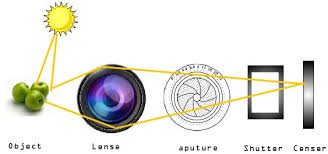
A digital photographic machine consists of several components that work together to capture and process an image. These include:
- Lens: The lens is responsible for focusing light onto the sensor or film.
- Sensor: The sensor converts the focused light into electrical signals, which are then processed by the machine’s processor.
- Processor: The processor analyzes the data from the sensor and applies various algorithms to enhance the image.
- Memory: The memory stores the captured image in a digital format.
How Does a Digital Photographic Machine Capture an Image?
The process of capturing an image with a digital photographic machine involves several steps:
- Light Enters The Lens: Light from the scene is focused onto the sensor or film through the lens.
- Sensor Captures Data: The sensor converts the focused light into electrical signals, which are then processed by the machine’s processor.
- Processor Analyzes Data: The processor analyzes the data from the sensor and applies various algorithms to enhance the image.
- Image is Stored: The captured image is stored in the machine’s memory in a digital format.
Types of Digital Photographic Machines
There are several types of digital photographic machines available, each with its own unique features and capabilities. These include:
- Reflex Cameras: Reflex cameras have an interchangeable lens system and are known for their high-quality images.
- Mirrorless Cameras: Mirrorless cameras have a more compact design than reflex cameras and are popular among enthusiasts.
- Bridge Cameras: Bridge cameras offer a balance between quality and convenience, with a fixed lens and improved autofocus capabilities.
Instantaneous Photographic Machines
Instantaneous photographic machines produce a physical print of the captured image immediately after taking it. These machines use film to capture the image and then develop it in seconds.
Photographic Machines Integrated in Mobiles
Mobile phones have become an essential tool for capturing photographs, with high-quality cameras and advanced features like autofocus and burst mode.
Using a Photographic Machine in Manual Mode
Using a photographic machine in manual mode requires a good understanding of the machine’s settings and how to adjust them to achieve the desired effect. This involves setting parameters such as aperture, shutter speed, and ISO, which can be adjusted to control the amount of light entering the camera.
Using Automatic Modalities And Scenes
Automatic modalities and scenes are pre-set options that can be used to simplify the photography process. These include features like auto-mode, where the machine takes care of adjusting settings for optimal results.
Conclusion
In conclusion, digital photographic machines have revolutionized the way we take photographs, offering greater flexibility, convenience, and quality compared to traditional film cameras. Understanding how these machines work can help you take better photos and explore new creative possibilities. Whether you’re a seasoned photographer or just starting out, the world of digital photography has something to offer everyone.
Frequently Asked Questions (FAQs)
Here are some frequently asked questions related to digital photographic machines:
-
What is The Difference Between Reflex And Mirrorless Cameras?
Reflex cameras have an interchangeable lens system, while mirrorless cameras have a more compact design without a mirror.
2. How do Instantaneous Photographic Machines Work?Instantaneous photographic machines use film to capture the image and then develop it in seconds.
3. Can I Take Good Photos With my Mobile Phone?Yes, you can take great photos with your mobile phone, especially with the advanced features like autofocus and burst mode available today.
Useful Resources
If you’re interested in learning more about digital photography, here are some useful resources to explore:
- Photography Blogs: There are many excellent photography blogs out there that share tips, tricks, and techniques for taking better photos.
- Online Courses: Online courses can provide structured learning and hands-on experience with various aspects of photography.
- Youtube Tutorials: YouTube has a wealth of tutorials and videos on photography-related topics, covering everything from camera settings to editing software.
In this article, we have explored the world of digital photographic machines, discussing their components, how they capture images, and the different types available. Whether you’re interested in reflex cameras, mirrorless cameras, or instantaneous photgraphic machines, there is something for everyone.


