
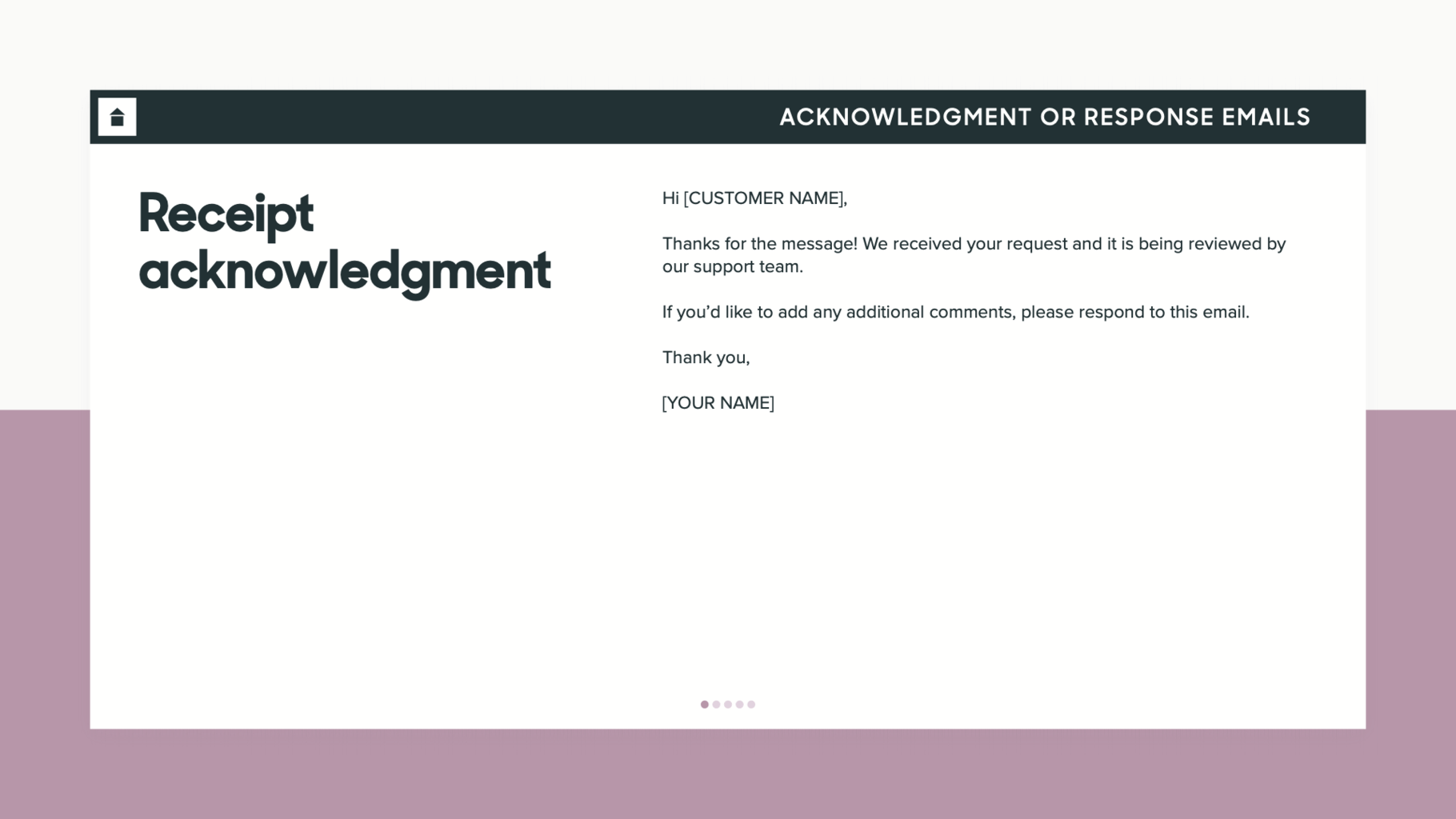
Are you struggling to understand how to respond to various types of emails? Don’t worry, we’re here to help! In this article, we’ll explore the essential elements to consider when responding to different email types.
Understanding The Basics
Before diving into specifics, it’s crucial to grasp the fundamental principles of email etiquette. Email is a formal and informal communication tool that requires attention to detail and proper tone. Whether you’re responding to a work-related email or a personal one, be concise, clear, and respectful.
The Essential Elements
To answer an email correctly, consider the following elements:
- Original Message: The original message you received should always be available when responding.
- Recipient’s Email Address: The address of the recipient should be clearly visible in the email.
- CC (Carbon Copy): If other recipients are copied on the email, their addresses will also be included.
- Attachments: Any attachments or annexes related to the message should be enclosed with your response.
Responding to Formal Emails
When responding to formal emails, such as business-related communications or messages from professors, use a proper tone and format. This includes:
- Introduction: A brief introduction that acknowledges the recipient.
- Body: A clear and concise body that addresses the main topic or question.
- Closing: A polite closing that expresses gratitude or appreciation.
Example of Answering a Formal Email
Dear [Recipient],
In response to your previous email, I have [insert answer].
I look forward to receiving a kind response and appreciate your time.
Best regards,
[Your Name]
Responding to Forwarded Emails
When responding to forwarded emails, clarify who you should address the message to. If unsure, respond directly to the original sender or the person who forwarded the email.
Example of Answering a Forwarded Email
Dear [Recipient],
I am [Your Name], and I have received this communication through forward aside of [Name of Person Who Sent You].
Here, I will address the main topic or question:
[Insert answer]
In hope of a kind response,
Best regards,
[Your Name]
Responding to Work-related Emails
When responding to work-related emails, use a professional tone and format. This includes:
- Introduction: A brief introduction that acknowledges the recipient.
- Body: A clear and concise body that addresses the main topic or question.
- Closing: A polite closing that expresses gratitude or appreciation.
Example of Answering a Work-related Email
Dear [Recipient],
Gratitude for your interest in my profile!
Instead, I will decline kindly the bid received in what [insert motivation].
Best regards,
[Your Name]
Responding to Emails From Professors
When responding to emails from professors, use a respectful tone and format. This includes:
- Introduction: A brief introduction that acknowledges the professor.
- Body: A clear and concise body that addresses the main topic or question.
- Closing: A polite closing that expresses gratitude or appreciation.
Example of Answering an Email From a Professor
Dear Professor [Name],
The ringrazio for his email and for the information provided [You insert here your demand, observations, comments, and required information].
I look forward to receiving a kind response,
Best regards,
[Your Name]
Responding to Mails With Errors
If you receive an email that was sent to the wrong recipient, respond kindly and inform the sender of the error. This includes:
- Introduction: A brief introduction that acknowledges the sender.
- Body: A clear and concise body that explains the error and asks them to forward the message to the correct recipient.
Example of Answering a Mail With an Error
Dear [Sender],
I have received this email at my address, but it was intended for someone else. Could you please forward the message to the correct recipient?
Thank you,
[Your Name]
Frequently Asked Questions (FAQs)
- What is The Main Difference Between a Formal Email And an Informal One?
A formal email requires a proper tone and format, while an informal one can be more casual and conversational.
2. How do I Respond to a Forwarded Email?
When responding to a forwarded email, clarify who you should address the message to and respond directly to the original sender or the person who forwarded the email.
3. What is The Best Way to Respond to an Email From a Professor?
Respond to an email from a professor with respect, using a proper tone and format, and clearly addressing the main topic or question.
4. How do I Handle Errors in Emails?
If you receive an email that was sent to the wrong recipient, respond kindly and inform the sender of the error, asking them to forward the message to the correct addressee.


