
The Fascinating History of Internet: A Journey Through Time
Introduction
Internet has become an integral part of our lives, revolutionizing entire economies and markets, rewriting the mode to study, work, and amuse ourselves. But have you ever wondered when was born this incredible technology? Let’s embark on a fascinating journey through time to explore the history of Internet.
The Origins of Internet: Arpanet
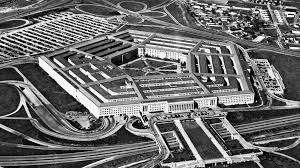
In the 1960s, the United States Ministry of Defense created a blueprint called HARP (High-Altitude Research Project), aiming to develop a communication network that could connect geographically distant computers. This project was authorized by the agency responsible for creating a reliable and decentralized system to resist potential attacks during the Cold War.
Engineer Vint Cerf, along with his team at the University of California, Los Angeles, successfully connected two computers on October 29, 1969, establishing the first network connection between nodes. Before achieving this milestone, other academics like James Licklider and Larry Roberts had theorized the possibility of using technology to consult libraries remotely.
The Development of Internet Protocols
In the early 1970s, Leonard Kleinrock, Paul Baran, and Donald Davies started theorizing the transmission of data through switching packets. This innovation enabled data to travel in a linear mode, containing supplementary instructions to reach their destination.
With the advancement of years, HARP connected four American universities using computers and telephone lines, giving birth to ARPANET (Advanced Research Projects Agency Network). A crucial breakthrough was achieved with the development of the TCP/IP protocol, which allowed terminals to communicate with each other by setting rules for data transmission and interpretation.
The Arrival of World Wide Web
In 1991, Tim Berners-Lee and Robert Cailliau invented the World Wide Web (WWW) at CERN in Geneva. This innovation enabled members to access files easily from their personal computers. The language HTML (HyperText Markup Language) was developed to type web pages, and HTTP (HyperText Transfer Protocol) allowed data to travel between websites.
The first browser software was released in 1993, allowing users to navigate the Web. It’s essential to note that the World Wide Web is not synonymous with Internet; instead, it’s one of the many functions of the Internet.
Internet Today: A Global Infrastructure
Fast-forward to today, and we see a profound transformation in the use of Internet. This technology has expanded across various sectors, becoming an essential infrastructure for society. We can now shop online, work remotely, study at arm’s length, participate in videoconferences, send emails, search information, enroll on social networks, watch movies, listen to music, interact with AI, and much more.
When Was Internet Born on Mobile Phones?
Contrary to popular belief, the landing of Internet on mobile phones occurred at the end of the 1990s. The first cellular phones started including Web navigation functionality. However, the access to Internet in mobility was initially hindered by low transmission speeds, poor display quality, small screen sizes, and high costs.
The development of technologies like 3G and 4G LTE and the introduction of smartphones (specifically, Apple’s iPhone) in 2007 revolutionized mobile Internet use. The increased diffusion of mobile devices with affordable prices led to widespread adoption.
Conclusion
In conclusion, the history of Internet is a fascinating journey through time, from its inception as ARPANET to its current status as a global infrastructure. From the development of TCP/IP protocols to the invention of World Wide Web and the arrival of smartphones, we’ve come a long way in utilizing this incredible technology.
Frequently Asked Questions (FAQs)
- What is The Difference Between Internet And World Wide Web?
The World Wide Web is one of the many functions of Internet, allowing users to visualize data in the form of hyperlinks on a browser. - When Was Internet Born?
Internet originated from ARPANET in the 1960s, with its first connection achieved on October 29, 1969. - What Are The Main Protocols Developed For Internet?
TCP/IP (Transmission Control Protocol/Internet Protocol) and HTTP (HyperText Transfer Protocol) are two significant protocols that enable data transmission and interpretation across networks. - When Did Mobile Phones Start Accessing Internet?
Mobile phones began accessing Internet at the end of the 1990s, with the first smartphones being introduced in 2007. - What is The Significance of World Wide Web in Internet History?
The invention of World Wide Web by Tim Berners-Lee and Robert Cailliau marked a crucial milestone in making information easily accessible across networks. - How Has Internet Impacted Society?
Internet has revolutionized various sectors, becoming an essential infrastructure for modern society. It enables activities like online shopping, remote work, education, communication, social networking, and entertainment. - What Are The Future Implications of Internet Development?
As technology continues to advance, we can expect further innovations in areas like virtual reality, artificial intelligence, and blockchain, shaping the future of Internet and its applications. - Who Were The Key Figures Involved in Internet Development?
Vint Cerf, Larry Roberts, Leonard Kleinrock, Paul Baran, Donald Davies, Tim Berners-Lee, and Robert Cailliau are some of the pioneers who contributed to the development of Internet technologies.


