
The Evolution of Barcodes: From Humble Beginnings to Modern Convenience
As we navigate our daily lives, it’s easy to take for granted the technologies that make our shopping experiences seamless. One such innovation is the barcode, a simple yet powerful tool that has revolutionized the way we purchase and identify products. In this article, we’ll delve into the history of barcodes, their purpose, and how they’ve evolved over time.
What Are Barcodes?
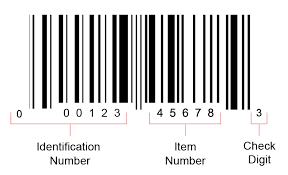
A barcode is a code consisting of a series of parallel lines or dots, used to represent information about a product. The barcode is scanned by a reader at checkout, allowing the cashier to quickly identify the item and process the payment.
The Early Days of Barcoding
The concept of barcoding dates back to the 1940s, when two students from the University of Drexel, Norman Joseph Woodland and Bernard Silver, developed the first barcode. However, it wasn’t until the 1970s that barcodes began to gain popularity.
The Birth of The Universal Product Code (UPC)
In 1971, a consortium of companies agreed to adopt a universal code for product identification, leading to the creation of the UPC. This marked the beginning of widespread use of barcodes in retail.
Gs1: The Organization Behind Barcoding
GS1 is an organization that sets standards for product identification and tracking. In Italy, GS1 is represented by GS1 Italia, which plays a crucial role in promoting the use of barcodes among businesses.
How Companies Use Barcodes
To use barcodes, companies follow these steps:
- Register With Gs1: Registering with GS1 allows companies to obtain a unique prefix and barcode for their products.
- Assign Barcodes: Assign a unique barcode to each product and variant.
- Print The Barcode: Print the barcode on labels or packaging using specialized software.
Types of Barcodes
There are several types of barcodes, including:
- Ean (European Article Number): The most widely used barcode in Europe.
- Upc (Universal Product Code): Commonly used in North America.
- QR Codes: A type of 2D barcode used for product information and marketing.
Reading Barcodes
Barcodes can be read using various methods, including:
- Barcode Scanners: Handheld devices that scan barcodes at checkout.
- Smartphone Apps: Many apps allow users to scan barcodes using their smartphone cameras.
- Computer Software: Specialized software can decode barcodes and provide product information.
Popular Barcode Scanner Apps
Some popular barcode scanner apps include:
- QR & Barcode Scan (Android/iOS/iPadOS): A free app that reads both 1D and 2D barcodes.
- Scanpro (Android/iOS/iPadOS): A powerful scan app that can read documents, including barcodes.
Barcode Readers
Barcodes can also be read using dedicated barcode readers. These devices use lasers or cameras to decode the barcode, providing accurate product information.
Conclusion
In conclusion, barcodes have come a long way since their inception in the 1940s. From humble beginnings to widespread adoption, barcodes have revolutionized the retail industry. As technology continues to evolve, we can expect even more innovative uses for barcodes and other identification technologies.
Frequently Asked Questions (FAQs)
- Q: What is a Barcode?
A: A barcode is a code consisting of parallel lines or dots used to represent information about a product. - Q: How do Companies Use Barcodes?
A: Companies register with GS1, assign unique barcodes to products and variants, print the barcode on labels or packaging, and decode it using specialized software or readers. - Q: What Are The Different Types of Barcodes?
A: There are several types of barcodes, including EAN, UPC, QR codes, and others. - Q: How do I Read a Barcode?
A: Barcodes can be read using smartphone apps, computer software, or dedicated barcode readers. - Q: What is Gs1?
A: GS1 is an organization that sets standards for product identification and tracking. - Q: Can I Use Barcodes on my Products?
A: Yes, you can use barcodes on your products by registering with GS1 and following the steps outlined above. - Q: What Are The Benefits of Using Barcodes?
A: Barcodes provide quick and accurate product identification, streamlining checkout processes and improving inventory management. - Q: Can I Read QR Codes Using a Smartphone App?
A: Yes, many smartphone apps can read QR codes, providing access to product information and more.
I hope this article has provided you with a comprehensive understanding of barcodes and their importance in modern commerce.


