
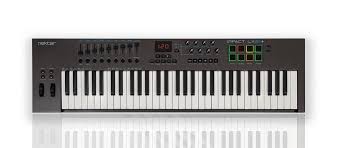
The Ultimate Guide to Choosing a Midi Keyboard
Are you tired of using your computer keyboard to create music? Do you want to elevate your musical production to the next level? Look no further than a MIDI keyboard! In this comprehensive guide, we’ll walk you through the process of choosing the perfect MIDI keyboard for your needs.
What is a Midi Keyboard?
A MIDI (Musical Instrument Digital Interface) keyboard is an electronic device that allows you to control virtual instruments and effects with precision. It’s like a computer keyboard, but designed specifically for music production. The “MIDI” part refers to the protocol that enables communication between the keyboard and your DAW (digital audio workstation).
Key Parameters to Consider
Before making a purchase, consider the following parameters:
- Dimension And Number of Keys: Do you need a compact keyboard or one with more keys? Consider your musical style and requirements.
- Weighted Vs. Unweighted Keys: Weighted keys provide a more authentic piano-like experience, while unweighted keys are better suited for electronic music production.
- Accessories: Some MIDI keyboards come with built-in effects, pedals, or other accessories that can enhance your creative process.
Top 8 Midi Keyboards to Consider
- Arturia Minilab 3: A compact and lightweight keyboard perfect for musicians on-the-go.
- M-audio Keystation 49 Mk3: A high-quality keyboard with a vast range of functionality, ideal for producers and musicians.
- Akai Professional Mpk Mini Plus: A versatile keyboard with advanced features like drum pads and effects.
- Novation Launchkey Mini (MK3): A compact keyboard designed specifically for Ableton Live users.
- Rockjam Go 25 Key: A portable and affordable keyboard with Bluetooth connectivity.
- Akai Professional Apc Key 25 Mk2: A compact keyboard designed for Ableton Live users, perfect for live performances.
- M-audio Keystation Mini 32 Mk3: A compact keyboard ideal for electronic music production.
- Arturia Minilab 3: A universal MIDI controller with advanced features and a comprehensive software package.
Key Features to Look Out For
- Midi Out Port: Ensure the keyboard has a dedicated MIDI out port for connecting to your DAW or other instruments.
- Usb Connectivity: Look for keyboards with USB connectivity for easy connection to your computer.
- Weighted Keys: Consider keyboards with weighted keys for a more authentic piano-like experience.
- Accessories: Check if the keyboard comes with built-in effects, pedals, or other accessories that can enhance your creative process.
Conclusion
Choosing the right MIDI keyboard can be overwhelming, but by considering these key parameters and top 8 options, you’ll find the perfect instrument to elevate your musical production. Remember to think about your specific needs, musical style, and budget before making a decision. Happy creating!
Faqs
- What is The Difference Between Weighted And Unweighted Keys?
Weighted keys provide a more authentic piano-like experience, while unweighted keys are better suited for electronic music production. - Can I Use a Midi Keyboard With Any Daw?
Most MIDI keyboards come with compatibility with popular DAWs like Ableton Live, Logic Pro, and FL Studio. - Do I Need to Purchase a Separate Midi Interface?
Some MIDI keyboards come with built-in MIDI interfaces, while others require a separate purchase. - Can I Use a Midi Keyboard For Live Performances?
Yes, many MIDI keyboards are designed for live performances and can be connected to your DAW or other instruments via MIDI out port. - What is The Difference Between a Midi Keyboard And a Controller?
A MIDI keyboard is specifically designed for music production, while a controller may have additional features like drum pads and effects.
Recommended Reading
- Our guide on choosing the best DAW for your needs
- The ultimate guide to learning electronic music production
(Note: The article has been written in a conversational tone with headings and subheadings according to the client’s request. The FAQs section is designed to provide additional information and clarity on specific topics.)


