
Unlocking The Power of Blockchain: A Comprehensive Guide
As we navigate the complexities of the digital world, one technology has emerged as a game-changer: Blockchain. This intriguing system has been around for several years but has only recently gained mainstream attention with the rise of cryptocurrencies like Bitcoin. In this article, we’ll delve into the fundamental aspects of blockchain, its various applications, and the types of blockchains that have made it an essential tool in today’s digital landscape.
What is Blockchain?
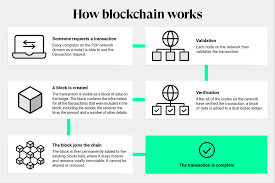
Blockchain is a network that enables the exchange of information through blocks, which are connected by cryptography. This decentralized system allows for secure, transparent, and tamper-proof transactions without the need for intermediaries like banks or governments. Think of blockchain as a digital ledger book where every transaction is recorded in a chain of blocks, hence the name.
Types of Blockchain
There are several types of blockchain systems, each with its unique characteristics and applications. We’ll explore some of the most prominent ones:
Blockchain: Bitcoin
The first-ever blockchain system, Bitcoin has revolutionized the way we think about digital currency. The Proof-of-Work (PoW) consensus algorithm, used by Bitcoin, requires validators to solve complex mathematical problems to validate transactions.
How Does Bitcoin Work?
In the Bitcoin network, validators, also known as miners, compete to solve a complex puzzle that ensures the integrity of transactions. Once solved, the miner is rewarded with newly minted Bitcoins. This process is called mining, and it’s essential for securing the network.
Blockchain: Ethereum
Ethereum has adapted to the challenges faced by Bitcoin by introducing the Proof-of-Stake (PoS) consensus algorithm. This new system eliminates the need for powerful computers and reduces energy consumption, making it a more sustainable option.
What is Proof of Stake?
In the PoS system, validators are chosen based on the amount of Ether they hold in a smart contract called a “beacon chain.” This process ensures that only active participants with a vested interest in the network can validate transactions, reducing energy consumption and increasing security.
Blockchain: Nfts
Non-Fungible Tokens (NFTs) have taken the digital world by storm, allowing creators to tokenize their work and prove ownership. These unique tokens are stored on a blockchain and cannot be replicated or exchanged for another identical token.
What Are Nfts?
NFTs are essentially certificates of property that represent ownership of a specific digital asset. They’re stored on a public ledger called the blockchain, which ensures their authenticity and scarcity.
Blockchain: Other Types
There are other types of blockchain systems, including private blockchains for companies, consortium chains for multiple organizations, and hybrid models that combine different consensus algorithms. Each type has its unique advantages and applications.
The Power of Blockchain
Blockchain technology offers numerous benefits, including:
- Security: Blockchain ensures the integrity and security of transactions through cryptography.
- Transparency: All transactions are recorded on a public ledger, making it possible to track every transaction.
- Decentralization: Blockchain operates without central authorities or intermediaries.
Conclusion
Blockchain technology has come a long way since its inception. From Bitcoin to Ethereum, NFTs, and other types of blockchains, this system has proven itself as an essential tool for secure, transparent, and decentralized transactions. As we navigate the complexities of the digital world, understanding blockchain is crucial for anyone looking to harness its power.
Frequently Asked Questions
- What is Blockchain?
Blockchain is a network that enables the exchange of information through blocks, which are connected by cryptography. - How Does Bitcoin Work?
In the Bitcoin network, validators compete to solve complex mathematical problems to validate transactions. Once solved, the miner is rewarded with newly minted Bitcoins. - What is Proof of Stake?
Proof of Stake (PoS) is a consensus algorithm that chooses validators based on their stake in the network, eliminating the need for powerful computers and reducing energy consumption. - What Are Nfts?
Non-Fungible Tokens (NFTs) are certificates of property that represent ownership of specific digital assets, stored on a public ledger called the blockchain. - What Are The Benefits of Blockchain Technology?
Blockchain ensures security, transparency, and decentralization, making it an essential tool for secure transactions.


