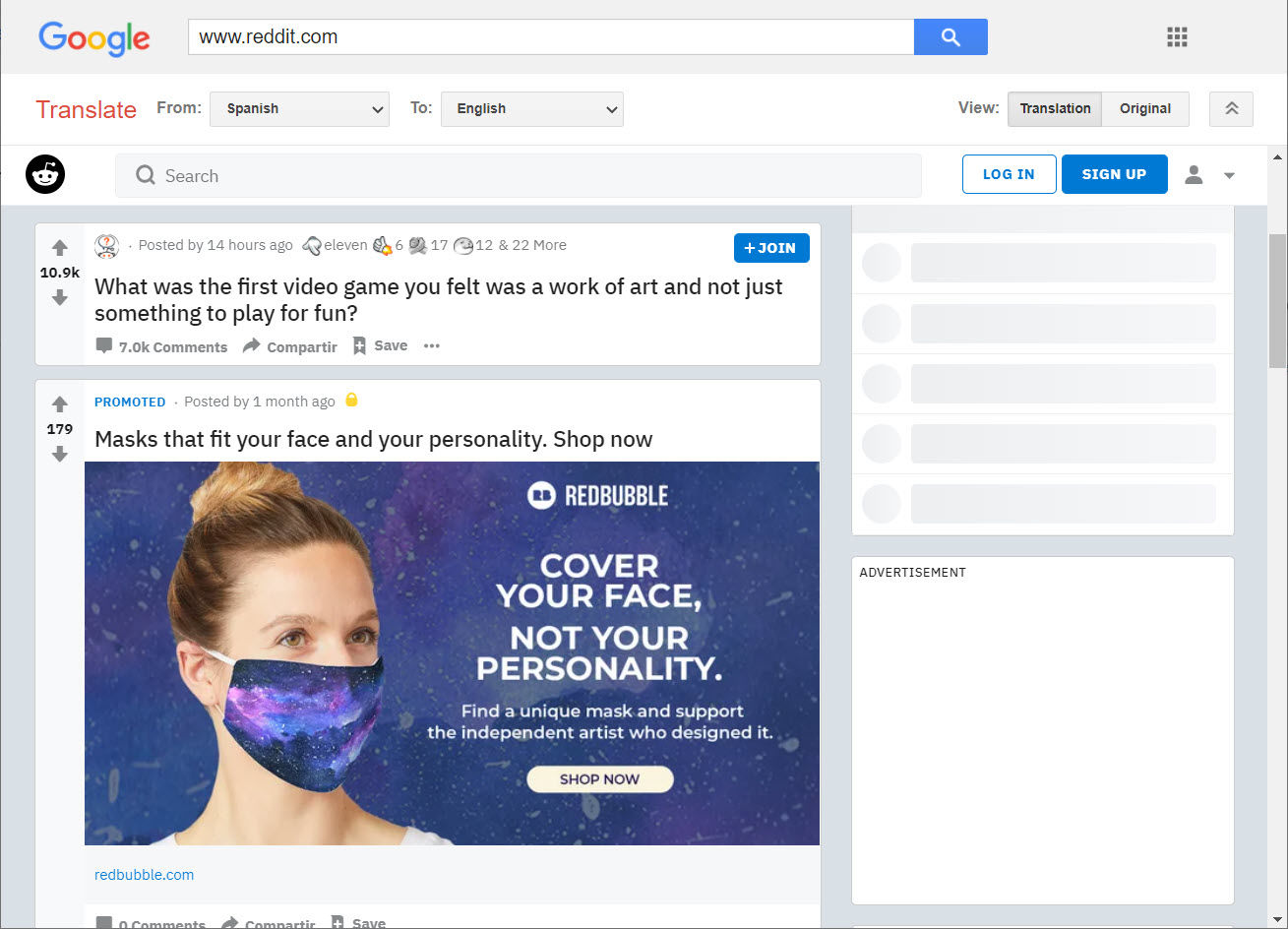
Bypassing Blocked Websites: A Comprehensive Guide
Are you tired of being restricted from accessing certain websites due to regional or provider blocks? Do you want to explore the world of online content without any limitations? Look no further! In this article, we will guide you through the process of bypassing blocked websites using various techniques.
Information Preliminary: Types of Block
Before we dive into the nitty-gritty, it’s essential to understand the types of blocks that may be in place. There are three primary categories:
- Provider Block: A provider block is applied by your internet service provider (ISP) to restrict access to specific websites.
- Regional Block: A regional block restricts access to a website based on geographical location, making it accessible only within certain regions or countries.
- Firewall Block: A firewall block is implemented by the administrator of a network or system to prevent access to specific websites.
How to Bypass Blocked Websites
Now that we’ve covered the types of blocks, let’s explore the methods for bypassing them:
Bypassing Provider Blocks
If your provider has blocked a website using DNS (Domain Name System) blocking, you can try the following:
- Change Your Dns Server: You can change your DNS server to a public one like Google Public DNS (8.8.8.8 And 8.8.4.4), OpenDNS (208.67.222.222 And 208.67.220.220), Or Cloudflare (1.1.1.1 And 1.0.0.1).
- Use a Vpn: A Virtual Private Network (VPN) can help you bypass provider blocks by routing your traffic through a server in a different location.
Bypassing Regional Blocks
If a website is blocked at the regional level, you can try:
- Using a Vpn: Similar to bypassing provider blocks, using a VPN can help you access a regionally blocked website.
- Accessing Through a Proxy Server: You can use a proxy server to access a regionally blocked website by routing your traffic through a server in the desired location.
Bypassing Firewall Blocks
If a firewall block is in place, you can try:
- Using a Vpn or Proxy Server: As mentioned earlier, using a VPN or proxy server can help you bypass a firewall block.
- Manually Setting Up a Proxy Server: You can manually set up a proxy server on your device to access a website blocked by a firewall.
Choosing The Right Vpn
When selecting a VPN, consider the following factors:
- Server Locations: Ensure that the VPN has servers in locations where you want to access regionally blocked websites.
- Speed And Performance: Choose a VPN with good speed and performance to ensure smooth browsing experiences.
- Security Features: Opt for a VPN that offers robust security features, such as encryption and secure protocols.
Conclusion
Bypassing blocked websites can be achieved using various techniques, including changing DNS servers, using VPNs or proxy servers, and manually setting up proxies. Remember to choose the right VPN for your needs, taking into account server locations, speed, and security features. By following this guide, you’ll be able to access online content without any limitations.
Frequently Asked Questions (FAQs)
- Q: What is a Vpn?
A: A VPN (Virtual Private Network) is a service that encrypts your internet traffic and routes it through a server in a different location. - Q: Can I Use a Vpn to Bypass Regional Blocks?
A: Yes, using a VPN can help you access regionally blocked websites by routing your traffic through a server in the desired location. - Q: How do I Choose The Right Vpn?
A: Consider factors like server locations, speed, and security features when selecting a VPN for your needs. - Q: Can I Use a Proxy Server to Bypass Blocks?
A: Yes, you can use a proxy server to access blocked websites, but be aware that some proxy servers may not guarantee secure connections or may have limitations on usage. - Q: Is it Legal to Use Vpns And Proxy Servers to Bypass Blocks?
A: Generally, using VPNs and proxy servers is considered legitimate, but ensure you comply with local laws and regulations regarding online activities. - Q: Can I Use a Vpn or Proxy Server on my Mobile Device?
A: Yes, most mobile devices support VPNs and proxy servers; check your device’s settings for more information. - Q: Are There Any Risks Associated With Using Vpns And Proxy Servers?
A: While generally safe, be aware of potential security risks when using VPNs or proxy servers, such as compromised server connections or data interception.
I hope this comprehensive guide has helped you understand the world of blocked websites and how to bypass them. If you have any further questions or concerns, feel free to ask!