
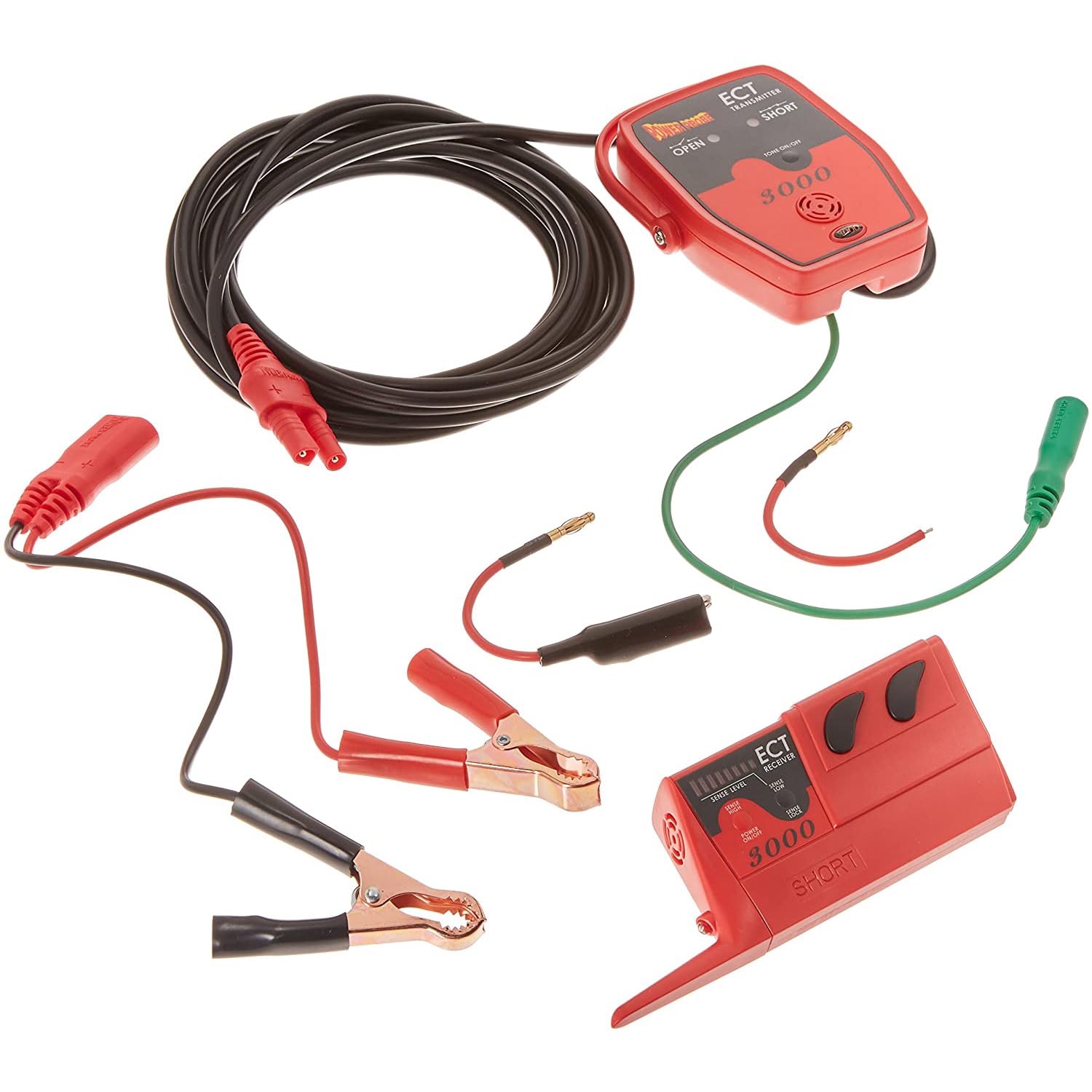
How to Find a Short Circuit With a Tester: A Step-by-step Guide
Are you experiencing an electrical problem at home and struggling to repair it on your own? Do you want to understand how the electrical appliances in your house function? Then, knowing how to use a tester is absolutely fundamental. With this helpful instrument, you can do many things, but its vast array of possible uses also makes it complex to comprehend, especially if you lack basic knowledge of electrotechnics.
Warning: Electricity Can Be Lethal
Before we begin, it’s essential to underline that electricity should not be taken lightly. Improper use can cause grave harms or even lethal consequences. The 220 V voltage can be fatal, and if you’re not an expert in electrical matters, we strongly advise calling a competent technician.
Table of Contents
- How to Use The Tester Digital
- Using The Tester Electrical to Find a Short Circuit
- How to Use The Tester to See If It Spends Current
- How to Use The Tester For Batteries
- How to Use The Tester Analogic
- Conclusion
- Faqs
How to Use The Tester Digital
Using the tester digital is a straightforward process. To start, locate the multimetro (or tester) and understand its various functions. The tester has several modes for measuring different electrical parameters, such as voltage, current, resistance, and continuity.
Measuring Resistance
To measure resistance, position the selector to rotate on an option that recano the symbol Ω (ohm). Connect the two probes to the device’s spine, making sure not to touch any metal parts with your hands or other objects. Hold one probe at each end of the item you want to measure, and the monitor will display a high resistance value in thousands or hundreds of thousands of ohms.
Measuring Continuity
To check continuity, use the proof of continuity function with the bip sonoro (sonic beep) of the multimetro. Connect one probe to one end of the cable or item you want to test and the other probe to the other end. If there’s a path for electricity to flow, you’ll hear a beep.
Using The Tester Electrical to Find a Short Circuit
Finding a short circuit with a tester involves understanding how electrical circuits work. In a typical appliance, like a light bulb, the resistance between phase and neutral prevents short circuits. However, if this resistance is removed, a short circuit can occur.
Measuring Resistance Between Phase And Neutral
To measure resistance between phase and neutral:
- Connect the tester’s red probe to the phase wire and the black probe to the neutral wire.
- Set the selector to rotate on an option that recano the symbol Ω (ohm).
- The monitor will display a high resistance value in thousands or hundreds of thousands of ohms.
Identifying a Short Circuit
If instead, you measure a low resistance value, it may indicate a short circuit. However, this method is not always reliable due to external factors that can influence the measurement.
How to Use The Tester to See If It Spends Current
To see if the tester spends current:
- Connect one probe to phase and the other probe to neutral.
- The monitor will display a voltage value.
- To check if it’s spending current, you can use the proof of continuity function with the bip sonoro (sonic beep) of the multimetro.
How to Use The Tester For Batteries
To check batteries or see if there’s electricity in the device:
- Enforce the selector on a low voltage value, just superior to the battery’s voltage.
- Connect the probes to the battery’s terminals.
- The monitor will display a variable voltage value depending on the battery’s state of charge.
How to Use The Tester Analogic
The tester analogico (analog tester) functions similarly to the digital one but with different visualizations of outcomes, indicated on a lancetta (needle) enough that of numbers. However, this type of instrument can be more complex due to rich scales and various patterns.
Unfortunately, we cannot provide specific guidance on graphic representations as they vary from device to device.
Conclusion
In conclusion, using a tester is an essential tool for any homeowner looking to repair electrical issues or understand how their appliances function. By following these step-by-step guides, you can learn how to use your digital, electrical, and analog testers to measure various electrical parameters, detect short circuits, and check batteries.
Frequently Asked Questions (FAQs)
- What is a Short Circuit?
A short circuit occurs when there’s an unintended path for electricity to flow between two points, bypassing the usual resistance of the appliance. - How do I Find a Short Circuit With a Tester?
To find a short circuit, measure the resistance between phase and neutral wires using the tester. If the value is low, it may indicate a short circuit. - Can I Use The Tester to See if There’s Electricity in my House?
Yes, you can use the tester to check for voltage in your home by setting the selector on a high voltage value (like 220V) and inserting probes into outlets or switches. - How do I Use The Tester For Batteries?
To test batteries, set the selector on a low voltage value slightly superior to the battery’s nominal voltage and connect probes to the terminals. The monitor will display a variable voltage value depending on the state of charge.
By understanding how your electrical appliances function and using these step-by-step guides, you can become more comfortable with DIY electrical repairs and ensure safer working practices.


