Electrical Facilities: Understanding The Basics
As a homeowner or someone who loves DIY projects, it’s essential to understand how electrical facilities work in various settings, such as homes, campers, cars, motorcycles, and boats. In this article, we’ll delve into the world of electrical facilities, exploring their functions, safety precautions, and differences between domestic and mobile setups.
Domestic Electrical Facilities: The Basics
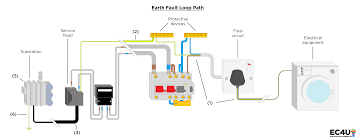
A typical domestic electrical facility operates at a nominal voltage of 230 V in alternating current (AC) in Italy. This voltage can vary in other parts of the world. The system is monophasic, drawing power directly from the national electrical grid through the home’s main counter.
Understanding The Counter And Mains Switch
The counter monitors the utilized power, while the mains switch (or interrupter magnetotermico) automatically disconnects the current if there’s an excessive absorption for an extended period. This safety feature prevents overheating and potential fires.
Phase, Neutral, And Earth in Electrical Facilities
In a domestic electrical setup, two wires connect to the facilities: One brown or black phase wire and one blue neutral wire. The phase carries electrical current to the appliances, while the neutral wire completes the circuit for proper functioning. Without both, the system won’t work.
The Importance of Grounding (Earth) in Electrical Facilities
Grounding or earthing is a critical safety feature that prevents electrical shock. It involves connecting a third wire (earth) to the facilities and ensuring it’s safely grounded at all times. This setup helps prevent damage from electrical isolation breaks and ensures the differential interrupter works correctly.
Electrical Facilities in Campers, Boats, And Other Mobile Setups
Mobile setups can have different voltage requirements, such as 12 V in continuous or 230 V in alternating current. These systems often include a distribution of power to various appliances, like lights, fridges, and electronics.
Alternators And Regulators in Electrical Facilities
Some mobile electrical facilities use an alternator, which transforms the battery’s voltage into the required 230 V for powering standard appliances. A regulator ensures the correct charging level is maintained, preventing overcharging or undercharging of the batteries.
Motorcycle And Car Electrical Facilities: Similarities And Differences
The electrical systems in motorcycles, cars, and boats share similarities with domestic setups but operate on different principles due to their specific applications. These systems often include an alternator, voltage regulator, and battery, which feed power to various components like lights, engines, and accessories.
Electrical Safety Precautions: A Reminder
When working with electrical facilities, always remember the importance of safety precautions:
- Use Protective Gear, such as gloves and safety glasses, when handling electrical equipment.
- Ensure Proper Grounding to prevent electrical shock.
- Follow Manufacturer Instructions for specific appliances and components.
- Regularly Inspect your electrical setup for signs of wear or damage.
In conclusion, understanding the basics of electrical facilities is crucial for safe and efficient use in various settings. By grasping the principles behind these systems, you’ll be better equipped to handle DIY projects, ensure safety, and make informed decisions when it comes to electricity in your home, car, boat, or other mobile setups.
Frequently Asked Questions
- What is The Typical Voltage For a Domestic Electrical Facility?
In Italy, the standard voltage for a domestic electrical facility is 230 V AC. - Why is Grounding (earth) Important in Electrical Facilities?
Grounding prevents electrical shock and ensures safety by preventing damage from electrical isolation breaks. - What’s The Difference Between an Alternator And a Voltage Regulator?
An alternator transforms battery voltage into required voltages for standard appliances, while a regulator maintains correct charging levels to prevent overcharging or undercharging of batteries. - Are Motorcycle And Car Electrical Facilities Similar to Domestic Setups?
Yes, they share similarities but operate on different principles due to their specific applications. - What Safety Precautions Should I Take When Working With Electrical Facilities?
Always use protective gear, ensure proper grounding, follow manufacturer instructions, and regularly inspect your setup for signs of wear or damage.
Conclusion
Electrical facilities are a crucial aspect of our daily lives, powering everything from lights to engines in various settings. By understanding the basics of these systems, you’ll be better equipped to handle DIY projects, ensure safety, and make informed decisions when it comes to electricity in your home, car, boat, or other mobile setups.