
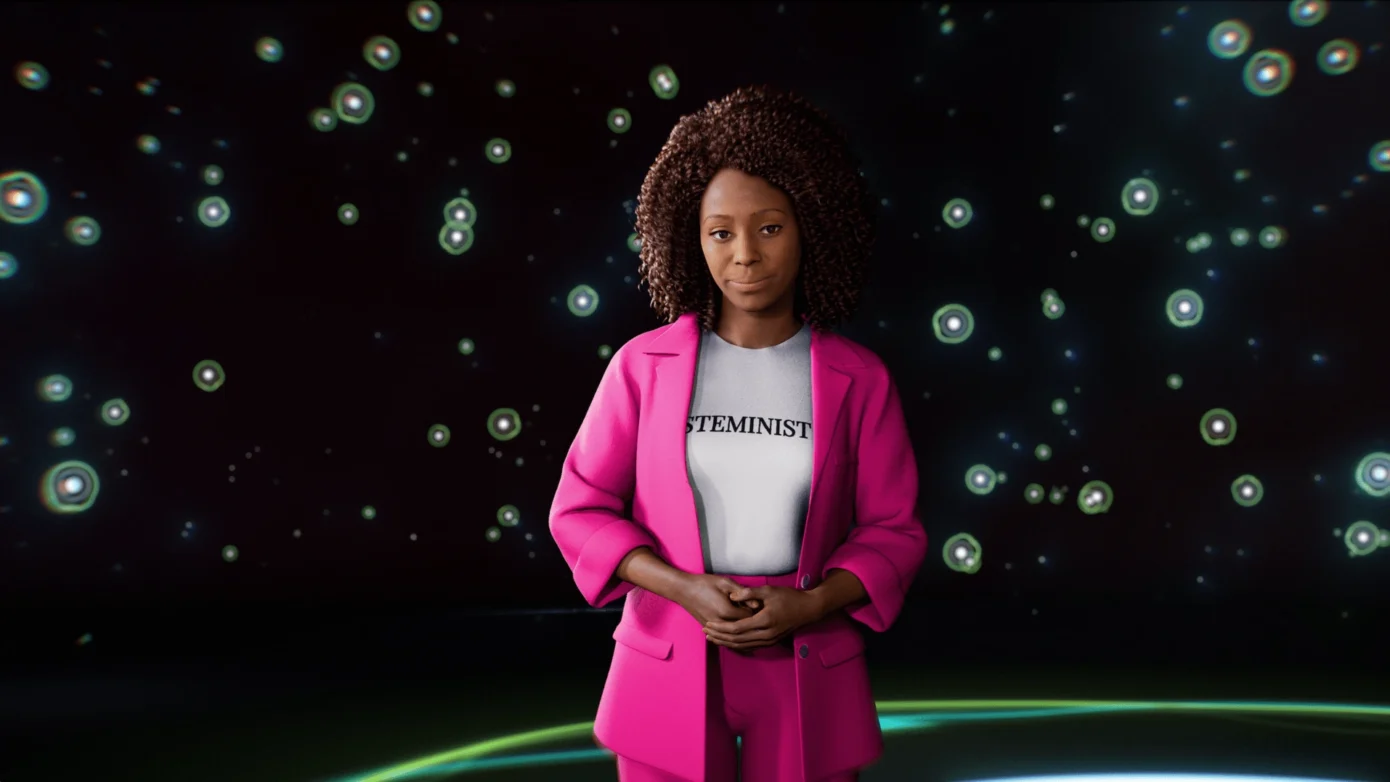
The Rise of Virtual Influencers: A Guide to Creating a Digital Personality
In today’s digital age, influencers have become an integral part of marketing strategies, promoting products and services to millions of followers on social media platforms. However, with the advent of artificial intelligence (AI), a new breed of influencers has emerged – virtual influencers. These digital personalities are created using AI algorithms and can be just as effective as human influencers in promoting products and services. In this article, we’ll explore the world of virtual influencers and provide a guide on how to create one.
What is a Virtual Influencer?
A virtual influencer is a digital personality created using AI algorithms. These influencers can have their own profiles on social media platforms, including Instagram, TikTok, Facebook, and LinkedIn. They can post content, engage with followers, and even collaborate with other influencers or brands. Virtual influencers are often used to promote products or services that require a specific image or persona.
The Benefits of Virtual Influencers
Virtual influencers offer several benefits over human influencers:
- Cost-effective: Creating a virtual influencer is significantly cheaper than hiring a human influencer.
- Consistency: Virtual influencers can maintain a consistent brand image and tone across all their content.
- Scalability: Virtual influencers can be scaled up or down depending on the needs of the campaign.
- Flexibility: Virtual influencers can be used to promote multiple products or services without the need for a physical presence.
How to Create a Virtual Influencer
Creating a virtual influencer requires careful planning and execution. Here are some steps to follow:
- Define Your Target Audience: Identify the target audience you want your virtual influencer to appeal to.
- Create a Brand Identity: Develop a brand identity for your virtual influencer, including a name, logo, and tone of voice.
- Choose a Platform: Select a social media platform that aligns with your target audience and brand image.
- Develop Content Strategy: Create a content strategy that resonates with your target audience and aligns with your brand identity.
- Use Ai-generated Content: Use AI-generated content to create high-quality visuals and captions for your virtual influencer’s social media posts.
- Engage With Your Audience: Respond to comments, engage with followers, and use analytics tools to track performance.
The Challenges of Virtual Influencers
While virtual influencers offer several benefits, they also come with some challenges:
- Authenticity: Maintaining authenticity is crucial for virtual influencers, as audiences can quickly become disillusioned if the content appears insincere.
- Consistency: Consistency is key when it comes to creating a virtual influencer. Ensure that all content aligns with your brand identity and target audience.
- Scalability: As your virtual influencer grows in popularity, ensure that you have the resources to maintain the same level of quality and engagement.
Real-world Examples of Virtual Influencers
Several brands have successfully used virtual influencers to promote their products or services. Some examples include:
- Aitana Lopez: A virtual influencer created by a marketing agency to promote a beauty brand.
- Lil Miquela: A virtual influencer created by a tech company to promote a fashion brand.
Conclusion
Creating a virtual influencer requires careful planning, execution, and maintenance. While they offer several benefits over human influencers, they also come with some challenges. By understanding the benefits and challenges of virtual influencers, you can create a digital personality that resonates with your target audience and drives business results.
Frequently Asked Questions
Q: What is a Virtual Influencer?
A: A virtual influencer is a digital personality created using AI algorithms to promote products or services on social media platforms.
Q: How Much Does it Cost to Create a Virtual Influencer?
A: The cost of creating a virtual influencer varies depending on the complexity of the project. However, it’s generally cheaper than hiring a human influencer.
Q: Can I Use Ai-generated Content For my Virtual Influencer?
A: Yes, you can use AI-generated content to create high-quality visuals and captions for your virtual influencer’s social media posts.
Q: How do I Maintain Authenticity With my Virtual Influencer?
A: Maintaining authenticity is crucial for virtual influencers. Ensure that all content aligns with your brand identity and target audience, and engage regularly with followers to build trust.
Q: Can I Use a Virtual Influencer on Multiple Social Media Platforms?
A: Yes, you can use a virtual influencer on multiple social media platforms. However, ensure that the platform and tone of voice align with your target audience and brand identity.
Q: How do I Measure The Success of my Virtual Influencer?
A: Use analytics tools to track engagement rates, follower growth, and conversions generated by your virtual influencer.
Q: Can I Collaborate With Other Influencers or Brands Using a Virtual Influencer?
A: Yes, you can collaborate with other influencers or brands using a virtual influencer. Ensure that the collaboration aligns with your brand identity and target audience.
Additional Resources
For more information on creating a virtual influencer, check out these additional resources:
- A guide to creating a social media strategy for virtual influencers
- Tips for maintaining authenticity with virtual influencers
- A list of AI-generated content tools for social media platforms


