
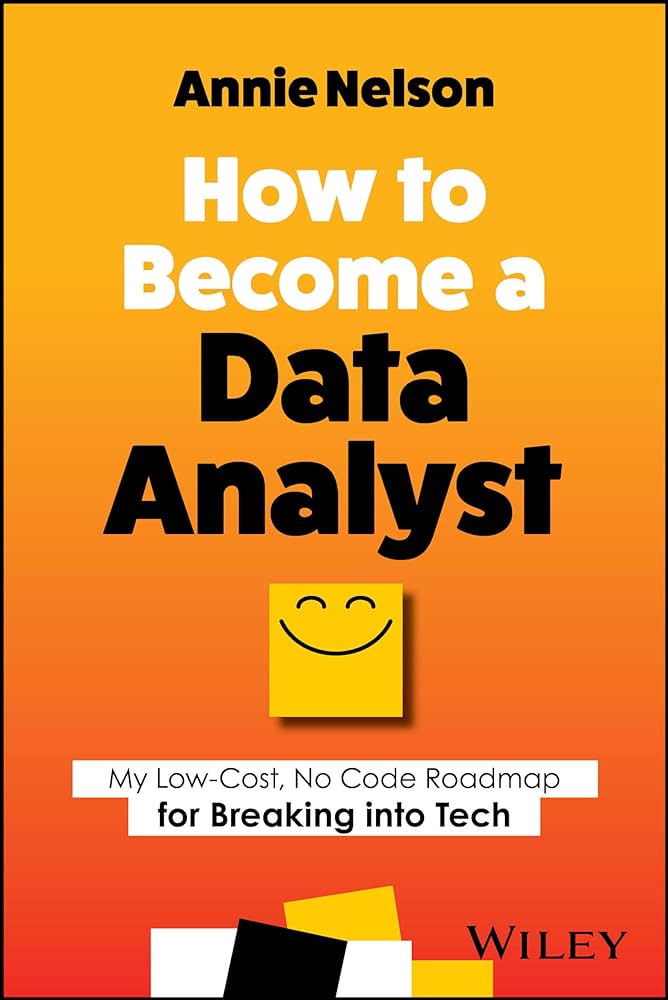
The Ultimate Guide to Becoming a Data Analyst
Are you interested in becoming a data analyst? Do you want to learn more about the skills and knowledge required for this profession? Look no further! In this article, we will explore the world of data analysis and provide you with a comprehensive guide on how to become a successful data analyst.
What is a Data Analyst?
A data analyst is a professional who collects, organizes, and analyzes data to help organizations make informed business decisions. They work with various departments within an organization to identify trends, patterns, and correlations in the data, and then provide insights and recommendations to stakeholders.
Key Skills And Knowledge Required
To become a successful data analyst, you will need to possess certain skills and knowledge. These include:
- Advanced Mathematical And Statistical Skills: You should have a strong understanding of mathematical and statistical concepts, such as regression analysis, hypothesis testing, and confidence intervals.
- Proficiency in Data Visualization Tools: You should be familiar with data visualization tools like Tableau, Power BI, or D3.Js to effectively communicate insights to stakeholders.
- Knowledge of Programming Languages: You should have a solid understanding of programming languages like Python, R, or SQL to work with large datasets and perform complex analysis.
- Data Management Skills: You should be able to collect, organize, and store data from various sources in a database or spreadsheet.
- Business Acumen: You should have a basic understanding of business concepts, such as marketing, finance, and operations.
Education And Training
While there is no specific degree required to become a data analyst, you will need to acquire certain skills and knowledge through education and training. Here are some options:
- Bachelor’s or Master’s Degree in Mathematics, Statistics, Computer Science, or Related Field: A degree in one of these fields can provide a solid foundation for a career in data analysis.
- Data Science Certifications: Certifications like Certified Data Scientist (CDS) or Certified Analytics Professional (CAP) can demonstrate your expertise and commitment to the field.
- Online Courses And Tutorials: Websites like Coursera, edX, and Udemy offer a wide range of courses on data analysis, statistics, and programming.
Certifications And Specializations
In addition to education and training, you may also want to consider obtaining certifications or specializations in specific areas of data analysis. These include:
- Microsoft Certified: Data Analyst Associate: This certification is designed for data analysts who work with Microsoft products like Excel, Power BI, and SQL Server.
- Certified Analytics Professional (CAP): This certification is offered by the Institute for Operations Research and the Management Sciences (INFORMS) and demonstrates your expertise in analytics and decision-making.
- Google Data Analytics Certification: This certification is designed for data analysts who work with Google products like BigQuery, Data Studio, and Google Cloud Platform.
Soft Skills
As a data analyst, you will need to possess certain soft skills to be successful. These include:
- Communication Skills: You should be able to effectively communicate insights and results to stakeholders.
- Collaboration Skills: You should be able to work with various departments within an organization to collect and analyze data.
- Problem-solving Skills: You should be able to identify and solve complex problems using data analysis techniques.
Career Paths
As a data analyst, you can pursue various career paths depending on your interests and goals. Some options include:
- Data Analyst: This is the entry-level position for data analysts, where you will work with small datasets and perform basic analysis.
- Senior Data Analyst: In this role, you will lead a team of data analysts and work with larger datasets to provide more complex insights.
- Data Scientist: As a data scientist, you will be responsible for developing and implementing machine learning models and algorithms to solve complex business problems.
Conclusion
Becoming a successful data analyst requires a combination of technical skills, knowledge, and soft skills. By following this guide, you can acquire the necessary education, training, and certifications to pursue a career in data analysis. Remember to stay up-to-date with industry trends and developments, and always keep learning to remain competitive in the job market.
Frequently Asked Questions (FAQs)
- What is The Difference Between a Data Analyst And a Data Scientist?
A data analyst typically works with smaller datasets and performs basic analysis, while a data scientist works with larger datasets and develops and implements machine learning models and algorithms to solve complex business problems.
- Do I Need a Degree in Mathematics or Statistics to Become a Data Analyst?
While a degree in mathematics or statistics can provide a solid foundation for a career in data analysis, it is not the only option. You can acquire necessary skills and knowledge through online courses, tutorials, and certifications.
- What Are Some Common Tools Used by Data Analysts?
Some common tools used by data analysts include Tableau, Power BI, D3.Js, Python, R, SQL, Excel, and Google Data Studio.
- How do I Get Certified as a Data Analyst?
You can obtain certification through various organizations like Microsoft, INFORMS, or Google, depending on your interests and goals.
- What Are Some Tips For Becoming a Successful Data Analyst?
Some tips include staying up-to-date with industry trends and developments, acquiring necessary technical skills and knowledge, and developing strong soft skills like communication and collaboration.
- Can I Work as a Data Analyst Remotely?
Yes, many companies offer remote work options for data analysts, allowing you to work from home or other locations while still contributing to the organization.
- How Long Does it Take to Become a Certified Data Analyst?
The time it takes to become a certified data analyst can vary depending on your education and training background, as well as your prior experience in data analysis.
- What is The Average Salary For a Data Analyst in The United States?
The average salary for a data analyst in the United States varies depending on factors like location, industry, and experience, but it typically ranges from $60,000 to $90,000 per year.


