
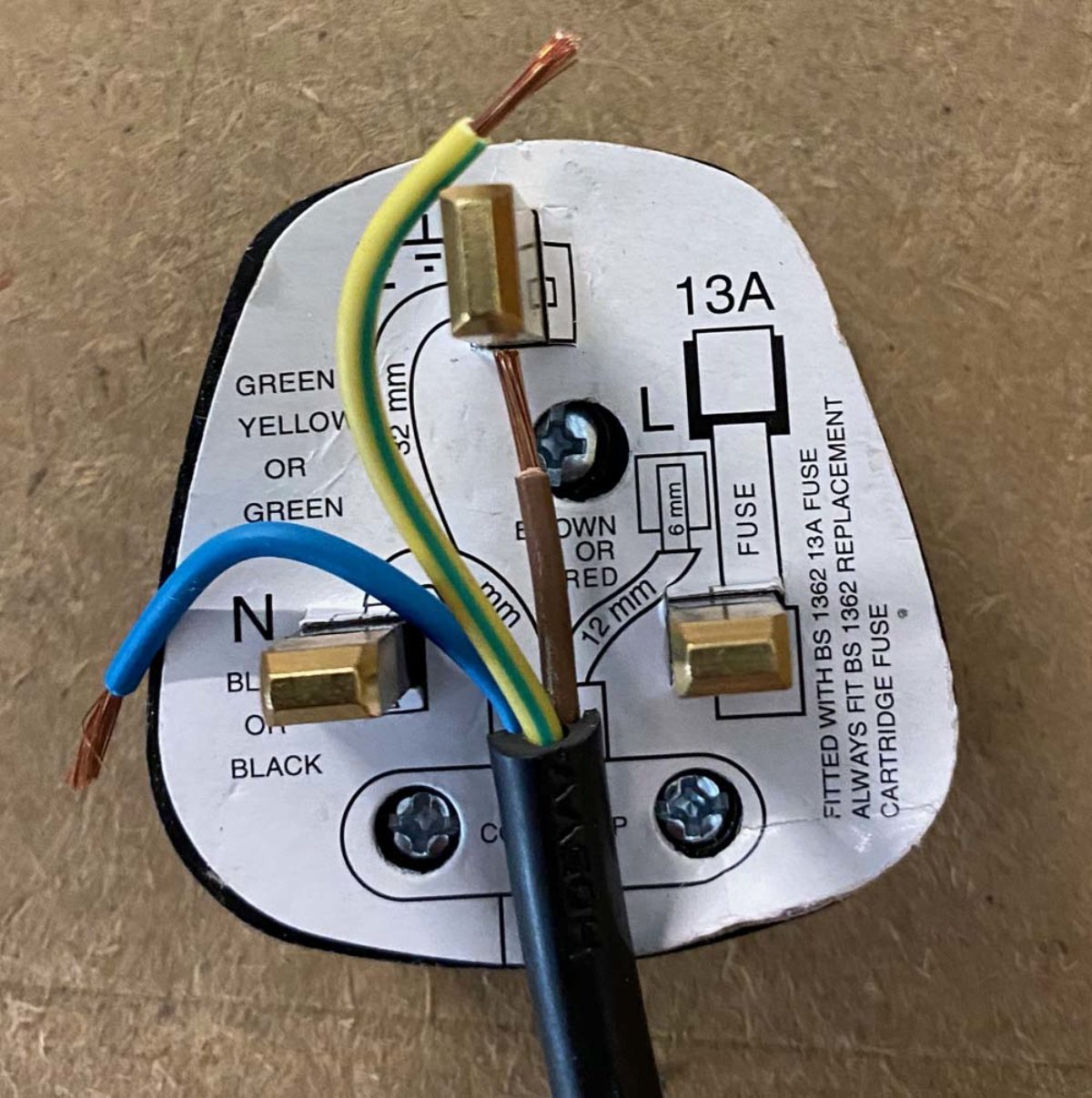
How to Mount an Electrical Spine: A Step-by-step Guide
Are you tired of dealing with electrical issues in your home or office? Do you want to learn how to mount an electrical spine in total autonomy? Look no further! In this article, we’ll guide you through the process of mounting an electrical spine, from preparing the necessary tools and materials to applying the final touches.
Before You Begin: Safety First
Before we dive into the nitty-gritty details, it’s essential to emphasize the importance of safety. Mounting an electrical spine can be a complex task, and if not done correctly, it can lead to serious consequences such as electrocution or fires. If you’re not comfortable with DIY projects or have any doubts, please consult a professional electrician.
What is an Electrical Spine?
An electrical spine, also known as a socket or receptacle, is a device that provides a safe and convenient way to connect electrical appliances to the main power supply. It’s typically made up of three components: A base, a cover, and a mounting plate.
Types of Electrical Sines
There are several types of electrical spines available on the market, including:
- Italian Electrical Spine: This type of socket is commonly used in Italy and has two or three pins.
- Schuko Electrical Spine: This type of socket is widely used in Germany and other European countries and has four or five pins.
- Monofase Electrical Spine: This type of socket is designed for single-phase applications and typically has three pins.
How to Mount an Electrical Spine
Here’s a step-by-step guide on how to mount an electrical spine:
- Prepare The Necessary Tools And Materials: Before you start, make sure you have all the necessary tools and materials, including a cable stripper, wire cutters, wire nuts, and a voltage tester.
- Split The Cable: Use a cable stripper or a wire cutter to split the cable into two or three parts, depending on the type of electrical spine you’re using.
- Prepare The Leads: Strip the leads of the cable and prepare them for connection to the socket.
- Connect The Leads: Connect the leads to the socket, making sure they’re securely attached.
- Apply The Final Touches: Once all the connections are secure, apply a coat of varnish or sealant to protect the electrical spine from moisture and other environmental factors.
Tips And Precautions
Here are some tips and precautions to keep in mind when mounting an electrical spine:
- Always follow local building codes and regulations.
- Use high-quality materials and tools to ensure a safe and reliable installation.
- Never work on electrical systems while they’re live.
- Keep children and pets away from the work area.
Conclusion
Mounting an electrical spine can be a complex task, but with the right guidance and precautions, you can achieve professional-looking results. Remember to always prioritize safety and follow local building codes and regulations. If you have any doubts or concerns, don’t hesitate to consult a professional electrician.
Faqs
Here are some frequently asked questions related to mounting an electrical spine:
Q: What is the difference between an Italian electrical spine and a Schuko electrical spine?
A: The main difference between an Italian electrical spine and a Schuko electrical spine is the number of pins. An Italian socket has two or three pins, while a Schuko socket has four or five pins.
Q: Can I use any type of cable to mount an electrical spine?
A: No, you should only use high-quality cables that meet local building codes and regulations.
Q: How often should I inspect my electrical spines?
A: It’s recommended to inspect your electrical spines every 6-12 months to ensure they’re still in good working condition.
Q: Can I mount an electrical spine myself, or should I hire a professional electrician?
A: While it’s possible to mount an electrical spine yourself, it’s always recommended to consult a professional electrician if you have any doubts or concerns.


