
Closing a Friendship: The Art of Sending a Respectful Message
Are you struggling with the decision to end a friendship that has become toxic or no longer meaningful? Perhaps you’re unsure how to approach the situation, fearing it may lead to hurt feelings or conflict. In this article, we’ll explore the complexities of closing a friendship and provide guidance on how to do so in a clear and respectful manner.
Reflecting on The Reasons
Before taking any action, take time to reflect on the reasons behind your decision to close the friendship. Is it due to an emotional response or a serious problem that has been ongoing for a long time? It’s essential to be honest with yourself and consider whether this decision is a temporary emotional reaction or a genuine need to end the relationship.
Communicating Openly
If you’ve decided to close the friendship, communicate openly with your friend about your reasons. Approach the conversation with empathy and respect, avoiding accusatory tones that may further strain the situation. Be prepared to listen to their perspective and be open to finding common ground or a solution that works for both parties.
Seeking External Advice
Consider seeking advice from a trusted friend or mentor who can offer a fresh and unbiased perspective on the situation. This can help you gain new insights into your decision and potentially lead to a more constructive resolution.
Examples of Messages to Close a Friendship
While every situation is unique, here are some examples of messages that may be helpful in closing a friendship:
- “Hey [Name], I’ve been thinking a lot about our friendship lately, and I feel like we’re growing apart. I appreciate the good times we’ve had, but I think it’s time for us to go our separate ways.”
- “Ciao [Name], I’m not sure if you’ve noticed, but I’ve been feeling really overwhelmed by our friendship lately. I think it’s best if we take a break from each other and focus on our own priorities.”
- “Hi [Name], I wanted to talk to you about our friendship. While I value the good times we’ve had, I feel like we’re not as close as we used to be. I think it’s time for us to move forward and pursue our individual interests.”
What to Do After Sending a Message
Once you’ve sent your message, give your friend space to process their emotions and respond. Avoid putting pressure on them to answer immediately, as this can lead to feelings of anxiety or resentment.
If they do respond, be prepared to listen attentively to their feelings and concerns. Be open to having a constructive dialogue and finding common ground. If the conversation becomes too heated, take a step back and revisit when emotions have cooled down.
Taking Care of Yourself
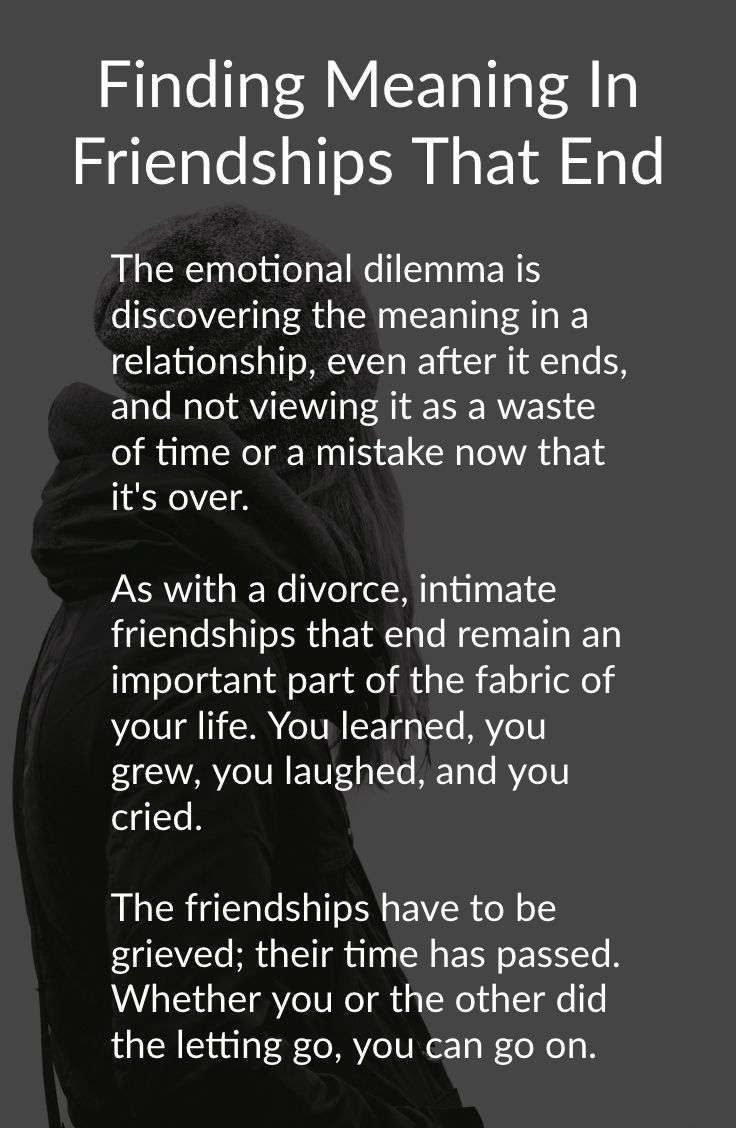
Closing a friendship can be an emotionally challenging experience. Take care of yourself during this time by seeking support from friends, family, or a therapist if needed. Remember that every experience in life serves a purpose, and you may learn valuable lessons about relationships and communication.
Conclusion
Closing a friendship is never easy, but it’s sometimes necessary for the well-being of both parties involved. By reflecting on your reasons, communicating openly with your friend, and being prepared to listen to their perspective, you can navigate this situation in a respectful and empathetic manner.
Frequently Asked Questions
- Q: How do I know if I should close a friendship?
- A: Consider whether the friendship is toxic or no longer meaningful. Reflect on your reasons for wanting to end it.
- Q: What’s the best way to communicate my decision to my friend?
- A: Be clear and respectful in your communication, avoiding accusatory tones that may further strain the situation.
- Q: How do I know if my friend is still friends with me or not?
- A: Pay attention to their actions and behavior. If they’re no longer initiating conversations or showing interest in spending time together, it may be a sign that they’ve decided to end the friendship.
- Q: What should I do if my friend gets upset when I tell them we need to close our friendship?
- A: Be empathetic and understanding. Listen attentively to their feelings and concerns, and try to find common ground or a solution that works for both parties.
- Q: How long does it take for the pain of closing a friendship to heal?
- A: Healing time varies from person to person. Allow yourself space to process your emotions and seek support from friends, family, or a therapist if needed.


