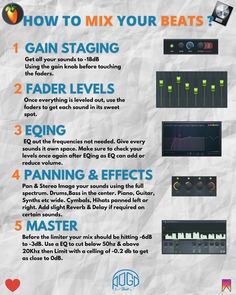
The Art of Mixing a Beat: A Step-by-step Guide
As a music producer or artist, you’ve probably spent hours perfecting your craft, from writing the perfect melody to recording the ideal beat. But have you ever stopped to think about the art of mixing a beat? It’s an often-overlooked step in the production process, but one that can make all the difference between a good song and a great one.
In this article, we’ll take a deep dive into the world of mixing a beat, covering everything from setting up your equipment to mastering the final product. By the end of this guide, you’ll have a solid understanding of how to mix a beat that will make your listeners’ ears perk up.
Setting Up Your Equipment
Before you can start mixing a beat, you need to have the right equipment in place. Here are some essentials to get started:
- A good quality digital audio workstation (DAW) like FL Studio or Ableton Live
- High-quality studio monitors or headphones
- A pair of professional-grade studio speakers or a home recording setup
Organizing Your Beat
Once you’ve got your equipment set up, it’s time to organize your beat. Here are some tips for getting started:
- Keep your beat clean and organized by using a grid-based system to manage your tracks and effects
- Use a pattern-based approach to structure your mix, with clear divisions between different sections of the song
Equalization And Compression
Equalization (EQ) and compression are two essential tools in any mixing engineer’s toolkit. Here’s how to use them:
- EQ: Boost or cut specific frequencies to create space for other instruments and sounds
- Compression: Reduce the dynamic range of an instrument or sound to even out its level and prevent it from overpowering others
Mixing Your Beat
Now that you’ve got your beat organized and equipped with EQ and compression, it’s time to start mixing. Here are some tips to get you started:
- Start by balancing the levels of each track and adjusting the EQ and compression accordingly
- Use reverb and delay effects to create depth and interest in your mix
- Pay attention to panning and stereo imaging to create a wide and engaging soundstage
Mastering Your Beat
Once you’ve finished mixing, it’s time to master your beat. Here are some tips for getting started:
- Use a mastering compressor to even out the dynamic range of your song
- Apply EQ to correct any tone imbalances in your mix
- Pay attention to stereo imaging and use panning effects to create a clear and focused soundstage
Conclusion
Mixing a beat is an art that requires patience, skill, and practice. By following these steps, you’ll be well on your way to creating beats that will make your listeners’ ears perk up.
But remember, mixing is just one part of the production process. To create truly great music, you need to have a clear understanding of what makes a song tick – from melody and harmony to rhythm and groove.
So take the time to learn about these essential elements, and don’t be afraid to experiment and try new things. With practice and dedication, you’ll become a master mix engineer in no time!
Frequently Asked Questions
Q: What is the difference between mixing and mastering?
A: Mixing refers to the process of combining multiple tracks into a cohesive whole, while mastering refers to the final stage of production where the overall volume, tone, and dynamics are adjusted for release.
Q: How do I know when my beat is mixed properly?
A: A well-mixed beat will have a clear and balanced soundstage, with each instrument or sound occupying its own space. The levels should be even and consistent throughout, and there should be no excessive noise or distortion.
Q: What are some common mistakes to avoid when mixing a beat?
A: Some common mistakes include over-compressing the mix, using too much reverb or delay, and failing to balance the levels of each track.
Q: How can I improve my mixing skills?
A: The best way to improve your mixing skills is through practice and experimentation. Listen to a wide range of music and pay attention to how different producers approach their craft. Take online courses or workshops to learn new techniques and stay up-to-date with the latest industry trends.
Q: What are some essential tools for mixing a beat?
A: Some essential tools include a good quality DAW, high-quality studio monitors or headphones, and a pair of professional-grade studio speakers or a home recording setup.
Q: How long does it take to mix a beat?
A: The time it takes to mix a beat can vary greatly depending on the complexity of the song, the number of tracks involved, and the level of detail desired. In general, it’s best to allocate at least 2-3 hours per track for mixing.
Q: Can I use plugins and software effects in my mixing process?
A: Yes! Plugins and software effects can be incredibly useful tools in your mixing arsenal. From EQ and compression to reverb and delay, there are countless options available that can help you achieve the sound you’re looking for.
Q: What is the most important thing to remember when mixing a beat?
A: The most important thing to remember is to have fun and experiment! Mixing is an art form, not a science. Don’t be afraid to try new things and take risks – it’s often the most unexpected decisions that lead to the best results.