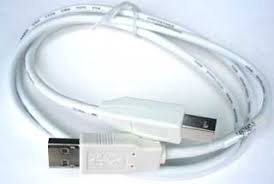
The Ultimate Guide to Understanding Cables: Unraveling The Mysteries of Usb
Introduction
In today’s digital age, cables have become an essential part of our lives. We use them to charge our phones, transfer files between devices, and connect peripherals like printers and keyboards. However, despite their ubiquitous presence, many of us remain unaware of the intricacies surrounding these humble connectors. In this comprehensive guide, we will delve into the world of USB cables, exploring their types, generations, and characteristics.
What is a Usb Cable?
A USB cable is a type of connector that allows for data transfer between devices. The term “USB” stands for Universal Serial Bus, which was introduced in the mid-1990s as a standard for connecting peripherals to computers.
Types of Usb Cables
There are several types of USB cables, each with its own unique characteristics and capabilities.
- Usb-to: This is the most common type of USB cable. It has four pins and can transfer data at speeds of up to 480 Mbps.
- Micro-usb: This type of USB cable is smaller than the standard USB-To cable and is typically used for charging smartphones and other mobile devices.
- Usb-c: This is the latest type of USB cable, which can transfer data at speeds of up to 40 Gbps. It has a reversible design and can be used for both data transfer and power delivery.
Understanding Usb Cables: A Guide to Their Generations
As technology advances, so do the capabilities of USB cables. Here are some key things to know about each generation:
- Usb-to: The original USB cable, which transfers data at speeds of up to 480 Mbps.
- Micro-usb: A smaller version of the standard USB-To cable, used for charging smartphones and other mobile devices.
- Usb-c: The latest type of USB cable, capable of transferring data at speeds of up to 40 Gbps.
The Importance of Cable Materials
When it comes to choosing a good quality USB cable, material is just as important as the type of connector. Here are some key things to look out for:
- Guaina External: The outer casing of the cable should be made from durable materials like nylon or rubber.
- Inner Cables: The inner cables should be robust and well-connected to ensure reliable data transfer.
Conclusion
In conclusion, understanding USB cables is crucial for anyone who uses technology regularly. By knowing the types, generations, and characteristics of these essential connectors, you can make informed decisions when choosing a cable that meets your needs. Whether you’re charging your phone or transferring files between devices, having the right USB cable on hand is essential for seamless data transfer.
Frequently Asked Questions (FAQs)
Here are some frequently asked questions about USB cables:
- Q: What is The Difference Between a Usb-to And a Micro-usb Cable?
A: The main difference between these two types of cables is their size. USB-To cables are larger, while micro-USB cables are smaller. - Q: Can I use a USB-C cable to charge my phone?
A: Yes, you can use a USB-C cable to charge your phone, but it will depend on the specific type of cable and device. - Q: What is the fastest type of USB cable available?
A: The fastest type of USB cable available is the USB-C cable, which can transfer data at speeds of up to 40 Gbps.