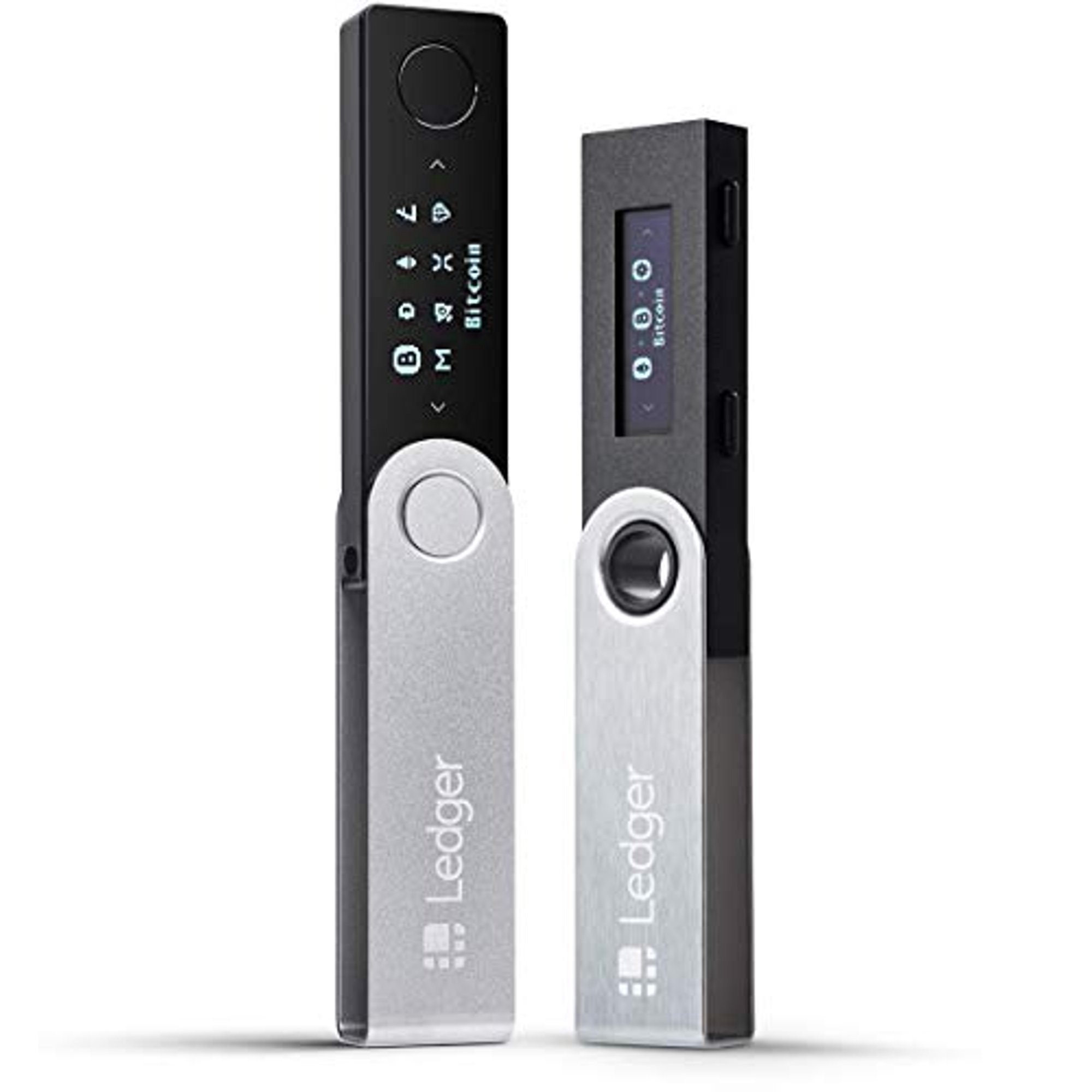
The Ultimate Guide to Choosing a Hardware Wallet: A Beginner’s Journey
Are you tired of worrying about the safety of your cryptocurrencies? Do you want to protect your investments from hackers and cyber threats? If so, then a hardware wallet is the perfect solution for you.
In this article, we will guide you through the process of choosing the best hardware wallet for your needs. We’ll explore what makes a good hardware wallet, the types of cryptocurrencies they can hold, and the factors to consider when making your purchase.
What is a Hardware Wallet?
A hardware wallet is an electronic device that stores your private keys in a secure manner. It’s like a digital safe that protects your cryptocurrencies from unauthorized access. Unlike software wallets, which are connected to the internet and vulnerable to hacking, hardware wallets are offline devices that can only be accessed when you physically connect them to your computer or smartphone.
Do I Really Need a Hardware Wallet?
If you’ve invested significant amounts of money in cryptocurrencies, then yes, you need a hardware wallet. Here’s why:
- Security: A hardware wallet provides an additional layer of security for your investments, protecting them from cyber threats and hacking attempts.
- Peace of Mind: With a hardware wallet, you can sleep better at night knowing that your assets are safe and secure.
What to Look For in a Hardware Wallet
When choosing a hardware wallet, consider the following factors:
- Security: Look for wallets with advanced security features such as multi-factor authentication, encryption, and secure chip technology.
- Compatibility: Choose a wallet that supports multiple cryptocurrencies, including popular ones like Bitcoin, Ethereum, and Litecoin.
- Ease of Use: Select a wallet that’s easy to use and understand, even for beginners.
- Price: Hardware wallets can range from affordable to very expensive, so consider your budget when making a decision.
The Top Hardware Wallets on The Market
Here are some of the top hardware wallets currently available:
- Ledger Nano X: A high-end wallet that supports over 5,000 cryptocurrencies and has advanced security features.
- Trezor Model T: A popular wallet that offers advanced security features and compatibility with multiple cryptocurrencies.
- Safepal S1: A user-friendly wallet that’s designed for beginners and has advanced security features.
Hardware Wallets For Nfts
If you’re interested in investing in Non-Fungible Tokens (NFTs), then a hardware wallet can be a good option for storing them safely. However, currently, there aren’t many dedicated hardware wallets for NFTs available on the market. A workaround is to store your NFTs in a software wallet like Metamask or Trust Wallet and connect it to a hardware wallet like Ledger Nano X.
Conclusion
Choosing the right hardware wallet can be a daunting task, but with this guide, you’ll be well-equipped to make an informed decision. Remember, a hardware wallet is an investment in your security and peace of mind. Take your time, research different options, and choose a wallet that meets your needs and budget.
Frequently Asked Questions
- Q: What’s The Difference Between a Hardware Wallet And a Software Wallet?
A: A hardware wallet is an offline device that stores private keys securely, while a software wallet is connected to the internet and vulnerable to hacking. - Q: How do I Choose The Best Hardware Wallet For my Needs?
A: Consider factors such as security, compatibility, ease of use, and price when making your decision. - Q: Can I Store Nfts in a Hardware Wallet?
A: Currently, there aren’t many dedicated hardware wallets for NFTs available on the market. A workaround is to store your NFTs in a software wallet and connect it to a hardware wallet. - Q: How do I Secure my Hardware Wallet?
A: Make sure to follow best practices such as storing your private keys securely, keeping your wallet software updated, and using strong passwords.
The Final Word
In conclusion, a hardware wallet is an essential investment for anyone serious about protecting their cryptocurrencies from cyber threats. With this guide, you’ll be well-equipped to make an informed decision when choosing the right hardware wallet for your needs.