This is a comprehensive guide to understanding switch-mode power supplies. Here’s a breakdown of the content:
Introduction
The article introduces the topic of switching power supplies, explaining their importance in modern electronics.
What is a Switching Power Supply?
A switching power supply is an electronic device that converts Alternating Current (AC) from the mains to Direct Current (DC). It regulates the voltage and frequency of the output current to match the requirements of the connected device.
How Does a Switching Power Supply Work?
A switching power supply consists of several key components:
- Rectifier: Converts AC to DC
- Filter: Removes ripple from the rectified DC
- Voltage Regulator: Regulates the output voltage
- Switching Circuitry: Controls the flow of energy
The article explains that the switching circuitry is responsible for regulating the output current, using high-frequency switching to minimize heat dissipation and optimize efficiency.
Types of Switching Power Supplies
There are two types of switching power supplies:
- Linear Regulators: Convert AC to DC using linear components
- Switch-Mode Regulators: Use high-frequency switching to regulate the output current
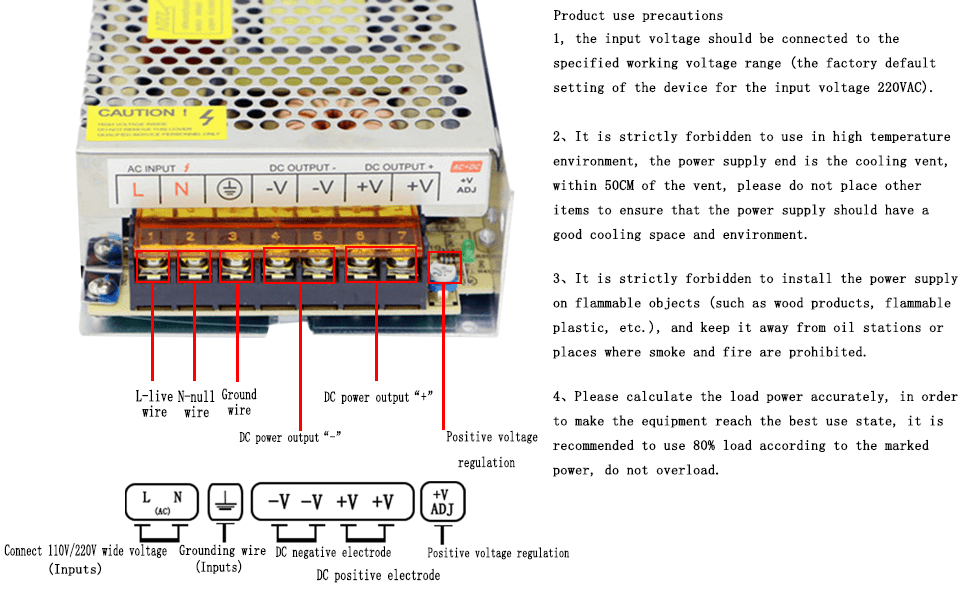
How to Connect a Switching Power Supply
The article provides step-by-step instructions on how to connect a switch-mode power supply to a device:
- Turn off the mains power
- Unplug the power cord
- Connect the positive cable (V+) to the device’s V+ terminal
- Connect the negative cable (V-) to the device’s V- terminal
Understanding Alimentatori Stabilizzati
An alimentatore stabilizzato, or stabilized power supply, is a type of power supply that maintains a constant output voltage despite changes in input voltage or current.
Key Differences Between Switching And Stabilized Power Supplies
The article highlights the key differences between switch-mode power supplies and stabilized power supplies:
| Switching Power Supply | Stabilized Power Supply | |
|---|---|---|
| Conversion Process | High-frequency switching | Linear regulation |
| Efficiency | High efficiency (up to 90%) | Low efficiency (around 50-60%) |
| Heat Dissipation | Minimal heat dissipation | Significant heat dissipation |
Conclusion
The article concludes by emphasizing the importance of switch-mode power supplies in modern electronics and providing guidance on how to use them correctly.
Frequently Asked Questions (FAQs)
The article answers four FAQs, covering topics such as:
- The difference between a switching power supply and a stabilized power supply
- How to connect a switching power supply to a device
- Common applications of switch-mode power supplies
- Using a switch-mode power supply with a linear regulator