The Risks of Smishing: How to Identify And Avoid Whatsapp Scams
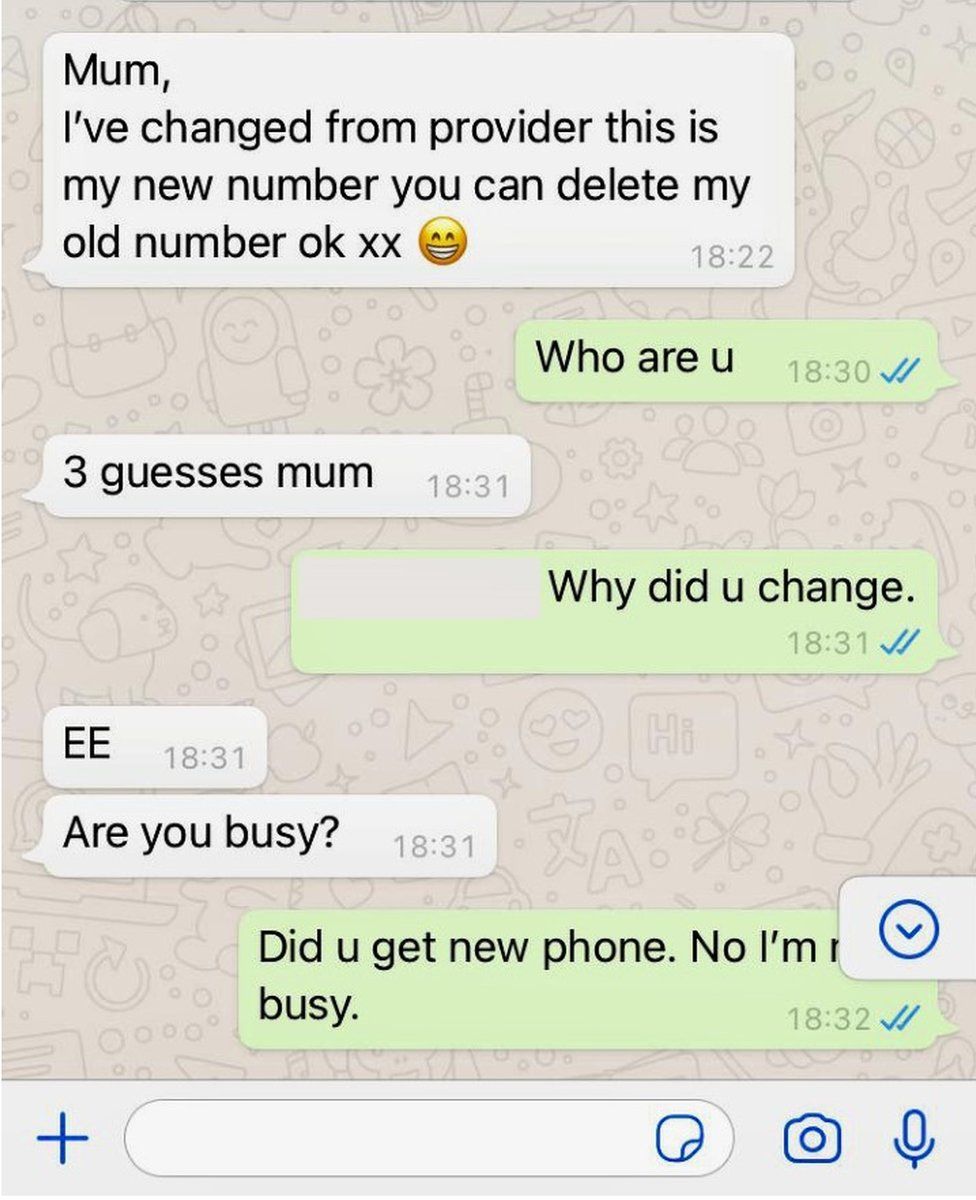
As we become increasingly reliant on digital communication, the risk of falling victim to scams and phishing attacks grows. One such threat is smishing, a type of phishing attack that uses SMS or messaging apps like WhatsApp to trick unsuspecting users into revealing sensitive information.
What is Smishing?
Smishing, short for “SMS phishing,” is a sophisticated form of cybercrime where attackers use fake messages or calls to trick victims into divulging confidential information. This can include financial details, login credentials, or even sensitive personal data.
Recognizing The Risks of Smishing on Whatsapp
In this article, we’ll delve into the world of smishing and provide guidance on how to identify and avoid these scams on WhatsApp. We’ll explore the tactics used by scammers, including fake messages, links, and attachments that can compromise your device or steal sensitive data.
Controlling The Number And Information of a Contact
The first step in avoiding smishing attacks is to verify the authenticity of a contact’s number and information. This can be done by searching online for the phone number associated with the suspicious contact. If it appears on a list of known scammers, it’s best to exercise caution.
Paying Attention to Elaborate Swindles
Scammers often use sophisticated tactics to trick victims into revealing sensitive data. Be wary of messages that seem too good (or bad) to be true, or those that contain spelling and grammar errors. Legitimate companies and institutions will never ask you to share confidential information via WhatsApp.
Verifying The Authenticity of Links
One common tactic used by scammers is to send links that appear legitimate but lead to phishing sites. To avoid falling victim to this, always verify the authenticity of a link before clicking on it. Look for indicators such as “https” and a padlock icon in the address bar.
Controlling Contained And Orthography
Pay attention to the content of messages and the spelling used by the sender. Legitimate companies will never use unprofessional language or contain grammatical errors in their communication. If you notice any inconsistencies, it’s best to err on the side of caution.
What to Do After Identifying a Smishing Attack on Whatsapp
If you suspect that someone is trying to scam you on WhatsApp, take immediate action. Block the contact and report them to the platform. Additionally, if you’ve already provided sensitive information, consider changing your passwords and monitoring your accounts for suspicious activity.
Reporting Smishing Attacks to Authorities
In the event of a smishing attack, report it to the relevant authorities, such as the Postal Police in Italy. You can do this by filling out an online form on their website.
Conclusion
Smishing attacks are becoming increasingly sophisticated, but by being aware of the tactics used by scammers and taking precautions, you can protect yourself from falling victim to these scams. Remember to always verify the authenticity of contacts, links, and messages, and report any suspicious activity to the authorities.
Frequently Asked Questions (FAQs)
- What is Smishing?
Smishing is a type of phishing attack that uses SMS or messaging apps like WhatsApp to trick unsuspecting users into revealing sensitive information.
- How do I Identify a Smishing Attack on Whatsapp?
Look for suspicious messages, links, and attachments that seem too good (or bad) to be true. Be wary of fake contacts with spelling and grammar errors in their communication.
- What Should I do if I Suspect Someone is Trying to Scam me on Whatsapp?
Block the contact and report them to the platform. Consider changing your passwords and monitoring your accounts for suspicious activity.
- Can I Report Smishing Attacks to Authorities?
Yes, you can report smishing attacks to the relevant authorities, such as the Postal Police in Italy.
- How do I Verify The Authenticity of a Link on Whatsapp?
Look for indicators such as “https” and a padlock icon in the address bar. Never click on links from unknown contacts or those that seem suspicious.
- What Are Some Common Tactics Used by Scammers in Smishing Attacks?
Scammers may use fake messages, links, and attachments to trick victims into revealing sensitive information. Be wary of messages that seem too good (or bad) to be true or contain spelling and grammar errors.
- Can I Get my Money Back if I’ve Already Fallen Victim to a Smishing Attack?
It’s unlikely that you’ll be able to recover any lost funds. Take immediate action to secure your accounts and consider changing your passwords.
- How Can I Protect Myself From Falling Victim to Smishing Attacks in The Future?
Stay informed about the latest tactics used by scammers, and take precautions such as verifying the authenticity of contacts, links, and messages.