The Deep Web: What is it And How to Access it
As we navigate the vast expanse of the internet, there’s a part of the online world that remains hidden from view. This is known as the Deep Web, a realm where sensitive information and illicit activities thrive. In this article, we’ll delve into the mysteries of the Deep Web, exploring what it is, how to access it, and the precautions you should take to ensure your safety.
What is The Deep Web?
The Deep Web refers to the portion of the internet that’s not indexed by search engines like Google or Bing. This means that most standard search queries won’t yield any results from this part of the online world. The Deep Web contains a staggering number of websites, including those with sensitive information, illicit activities, and hidden marketplaces.
Why Access The Deep Web?
While it’s true that accessing the Deep Web can be risky, there are also legitimate reasons to venture into this uncharted territory. For instance:
- Research Purposes: The Deep Web contains a wealth of information on various topics, including scientific research, academic papers, and government documents.
- Personal Safety: In some cases, the Deep Web can provide access to sensitive information that may be hidden from public view, potentially helping individuals who are being stalked or harassed.
How to Access The Deep Web
Accessing the Deep Web requires a few specific tools and precautions:
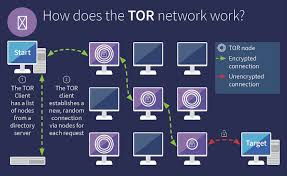
- Tor Browser: The Tor browser is an essential tool for navigating the Deep Web. This browser anonymizes your internet traffic, making it difficult for others to track your online activities.
- Vpn: A virtual private network (VPN) can further enhance your anonymity when accessing the Deep Web.
- Anonymity Tools: Utilize tools like Tor Browser and VPNs to maintain your anonymity while navigating the Deep Web.
Precautions to Take
When accessing the Deep Web, it’s essential to take certain precautions to ensure your safety:
- Use a Secure Connection: Always use a secure internet connection when accessing the Deep Web.
- Keep Your Tor Browser Up-to-date: Regularly update your Tor browser to ensure you have the latest security patches.
- Avoid Suspicious Websites: Be cautious of websites that seem suspicious or may contain malware.
- Use Strong Passwords: Always use strong, unique passwords for your online accounts.
Conclusion
The Deep Web is a complex and often misunderstood aspect of the internet. While it’s true that accessing this part of the online world can be risky, there are also legitimate reasons to venture into the unknown. By taking the necessary precautions and using the right tools, you can explore the Deep Web with relative safety.
Frequently Asked Questions
Here are some common questions related to the Deep Web:
- What is The Purpose of The Deep Web?
The Deep Web serves various purposes, including providing access to sensitive information, facilitating research, and offering a platform for illicit activities. - Is it Safe to Access The Deep Web?
Accessing the Deep Web can be risky due to the potential presence of malware and other online threats. - How do I Protect Myself While Accessing The Deep Web?
Utilize tools like Tor Browser, VPNs, and maintain your anonymity by avoiding suspicious websites.
Additional Resources
If you’re interested in learning more about the Deep Web or would like to explore this topic further, here are some additional resources:
- The Hidden Wiki: This online resource provides a list of onion links that can be accessed using the Tor browser.
- Onion Links: A collection of onion links that offer access to various websites and services on the Deep Web.
By understanding what the Deep Web is and how it operates, you’ll better appreciate the complexities of this hidden world.