
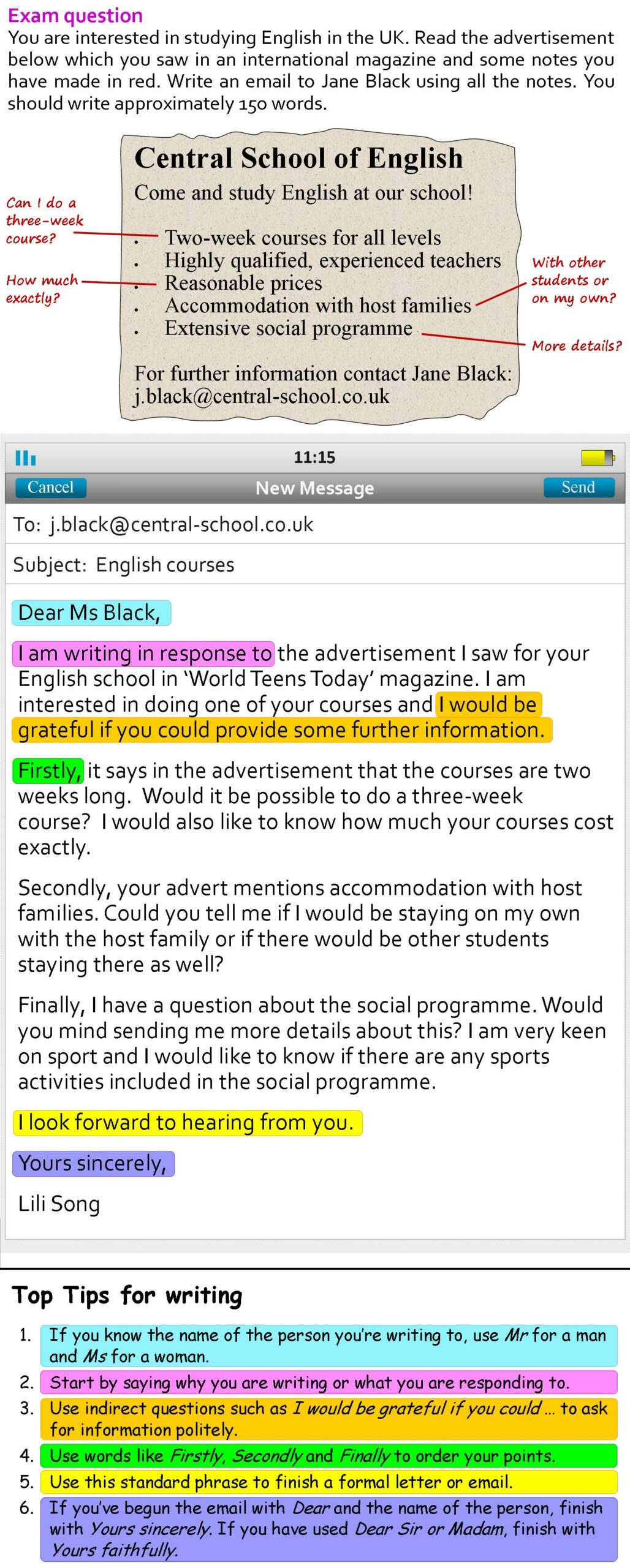
Are you struggling to write a formal email in English? Do you know the rules to follow when communicating with someone in a foreign country? In this article, we will guide you through the process of typing a formal email in English, providing you with essential tips and tricks to make your communication effective and professional.
The Importance of a Clear Object
Before starting to write your email, it’s crucial to define a clear object. This is the first thing that the addressee will read and notice. A well-written object should be concise, informative, and relevant to the content of your email.
Examples of Objects
- “Request for information about Project X”
- “Job application for Marketing Manager position”
- “Request for meeting to discuss thesis proposal”
Avoid using generic or too vague terms in your object. Instead, opt for specific expressions that summarize the main argument. Utilize a professional and appropriate language to guarantee that your email is taken seriously.
Choosing The Right Greeting
When writing an email to someone you don’t know personally or professionally, it’s essential to use a formal greeting. This sets the tone for the rest of the message and shows respect for the addressee.
Some common formal greetings include:
- “Dear Professor Surname”
- “Dear Mr./Ms. Surname”
- “To Whom It May Concern”
Writing The Body of The Email
The body of your email should be clear, concise, and free of unnecessary jargon or colloquialisms. Avoid using slang or overly casual language that may confuse the addressee.
Some tips for writing the body of your email include:
- Keep it brief and to the point
- Use simple language
- Be clear and concise
Using Proper Sign-offs
When concluding your email, use a formal sign-off such as “Sincerely” or “Yours faithfully.” Avoid using overly casual language or colloquialisms.
Some examples of proper sign-offs include:
- “Sincerely”
- “Yours faithfully”
Conclusion
Writing a formal email in English can be challenging, but with practice and patience, you’ll become more confident and proficient. Remember to keep your message clear, concise, and respectful, and always use proper grammar and punctuation.
Frequently Asked Questions (FAQs)
- What are the key elements of a formal email?
- A clear object
- A formal greeting
- A brief and concise body
- A proper sign-off
- How do I choose the right greeting for my email?
- Consider the relationship between you and the addressee
- Use a formal greeting such as “Dear Professor Surname” or “To Whom It May Concern”
- What are some tips for writing the body of my email?
- Keep it brief and to the point
- Use simple language
- Be clear and concise
- How do I conclude my email properly?
- Use a formal sign-off such as “Sincerely” or “Yours faithfully”
- Avoid using overly casual language or colloquialisms


