
Unlocking The Power of Barcodes: A Comprehensive Guide
In today’s digital age, barcodes have become an essential tool in various industries, from retail to healthcare. But have you ever wondered how these simple codes work? In this article, we’ll delve into the world of barcodes and explore their history, types, and uses.
What Are Barcodes?
Barcodes are machine-readable codes that contain information about a product or service. They consist of a series of bars and spaces that represent numeric data. The most common type of barcode is the Universal Product Code (UPC), also known as the EAN-13 code.
How Do Barcodes Work?
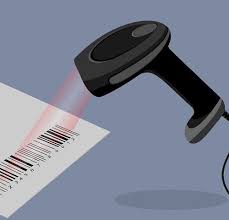
Barcodes work by using a scanner to read the series of bars and spaces on a product label or packaging. This information is then decoded and used to identify the product, its price, and other relevant details. The barcode is essentially a shorthand way for computers to understand complex data quickly.
Types of Barcodes
There are several types of barcodes in use today:
- Upc/ean-13: This is the most common type of barcode, consisting of 12 or 13 digits.
- QR Code: A two-dimensional code that can store more information than a traditional barcode.
- Code 39: A type of barcode used for identification and tracking purposes.
How to Scan Barcodes
Scanning barcodes has become increasingly easy with the advent of mobile apps and online services. Here are some popular options:
- Binary Eye (Android): A free, open-source app that can scan barcodes on Android devices.
- QR & Barcode Scan (Android): Another popular app for scanning barcodes on Android devices.
- Barcode Scanners (iOS/iPadOS): A built-in app on iOS and iPadOS devices for scanning barcodes.
Scanning Barcodes Online
If you’re not near a physical device, don’t worry! There are several online services that allow you to scan barcodes from the comfort of your computer or mobile device:
- Inlite: An easy-to-use service for scanning various types of barcodes and QR codes.
- Online Barcode Reader: A simple tool for scanning barcodes and getting information about them.
- Aspose: A versatile online service that can be used to scan barcodes, as well as other formats like PDFs.
The Benefits of Barcodes
Barcodes offer numerous benefits in various industries:
- Efficient Inventory Management: Barcodes help businesses track inventory levels, reduce waste, and improve supply chain efficiency.
- Improved Accuracy: Barcodes minimize errors associated with manual data entry.
- Enhanced Customer Experience: Barcodes enable customers to quickly find information about products and make informed purchasing decisions.
Conclusion
In conclusion, barcodes are a powerful tool that has revolutionized the way we manage inventory, track goods, and identify products. By understanding how barcodes work, types of barcodes, and ways to scan them, you can unlock their full potential in your business or personal life.
Frequently Asked Questions (FAQs)
Here are some common questions about barcodes:
- Q: What is The Purpose of a Barcode?
A: Barcodes serve as machine-readable codes that contain information about products or services. - Q: How do I Scan a Barcode?
A: You can use various mobile apps, online services, or physical scanners to read barcodes. - Q: Can I Use a Barcode Scanner on my Computer?
A: Yes! Many online services allow you to upload images of barcodes and get information about them. - Q: What Are The Different Types of Barcodes?
A: Common types include UPC/EAN-13, QR Code, and Code 39, among others. - Q: How do I Choose The Right Barcode Scanner For my Needs?
A: Consider factors like device compatibility, ease of use, and features required (e.G., Online services or physical scanners). - Q: Can I Generate a Barcode Myself?
A: Yes! Many software tools and apps allow you to create your own barcodes. - Q: How do I Read The Information From a Scanned Barcode?
A: Once scanned, the barcode’s contents can be displayed on-screen for review.
Additional Resources
For more information about barcodes and related topics, consider exploring:
- The official website of GS1 Italy (gs1.It) for comprehensive details on barcode usage and regulations.
- Online communities, forums, and blogs dedicated to barcode technology and innovation.
- Industry-specific guides and best practices for implementing effective barcode systems.
I hope this detailed article has provided you with a solid understanding of barcodes and their applications. Remember, the power of barcodes lies in their ability to simplify complex data and facilitate efficient communication – whether on a local or global scale!


