
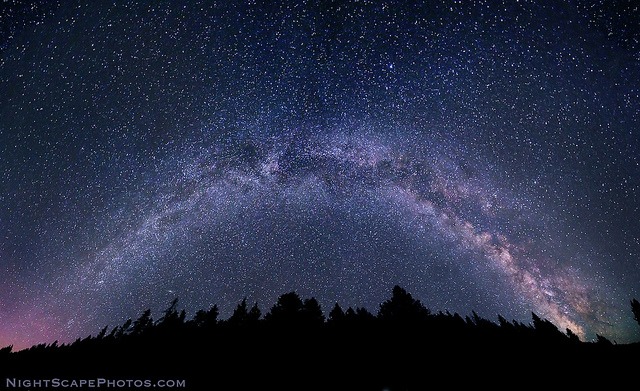
How to Photograph The Milky Way: A Comprehensive Guide
As a photographer, capturing the beauty of the night sky can be a thrilling experience. The Milky Way, with its stunning stars and galaxies, is a popular subject among astrophotographers. In this article, we will guide you through the process of photographing the Milky Way, from planning to execution.
Understanding The Basics
Before we dive into the technical aspects, it’s essential to understand the basics of astrophotography. The Milky Way is visible in the sky during certain times of the year, depending on your location and the time of night. To capture a great shot, you need to find a dark location with minimal light pollution.
Choosing The Right Equipment
While any camera can be used to photograph the Milky Way, a DSLR or mirrorless camera is recommended. A wide-angle lens (preferably 10-24mm) and a tripod are also essential for capturing a clear image.
Setting Up Your Camera
To set up your camera for astrophotography, follow these steps:
- Set the camera to manual mode
- Use a tripod to stabilize the camera
- Focus on infinity using live view or a separate focusing aid
- Set the ISO to 1600-3200
- Set the aperture to f/2.8-F/4
- Set the shutter speed to 20-30 seconds
Tips For Capturing The Milky Way
Here are some additional tips for capturing the Milky Way:
- Find a location with minimal light pollution
- Use a wide-angle lens (preferably 10-24mm)
- Focus on the stars or galaxies in the frame
- Use a tripod to stabilize the camera
- Shoot during the peak hours of darkness (usually between midnight and 3 am)
Photographing The Milky Way With a Smartphone
While smartphones are not ideal for astrophotography, they can still be used to capture some great shots. Here’s how:
- Use a wide-angle lens (preferably 18-55mm)
- Set the camera to manual mode
- Focus on infinity using live view or a separate focusing aid
- Set the ISO to 1600-3200
- Set the aperture to f/2.8-F/4
- Set the shutter speed to 20-30 seconds
Using a Gopro
Unfortunately, GoPros are not ideal for astrophotography due to their limited field of view and lack of manual controls.
Camera Settings For Milky Way Photography
Here are some camera settings that can be used to capture great shots of the Milky Way:
- Camera: DSLR or mirrorless
- Lens: Wide-angle (preferably 10-24mm)
- ISO: 1600-3200
- Aperture: F/2.8-F/4
- Shutter speed: 20-30 Seconds
Tripod And Mount Options
When it comes to tripod and mount options, here are some popular choices:
- Joby GorillaPod Tripod
- Manfrotto BeFree Live Camera Stabilizer
- Really Right Stuff (RRS) TVC-34 Ballhead for Travel Tripods
Accessories For Milky Way Photography
Here are some accessories that can be used to enhance your Milky Way photography experience:
- Telephoto lens (for capturing more distant stars)
- Wide-angle lens (for capturing the entire Milky Way galaxy)
- Camera stabilizer (for reducing camera shake and blur)
- Tripod or mount (for stabilizing the camera)
Conclusion
Photographing the Milky Way can be a rewarding experience, but it requires some planning and technical expertise. By following these tips and guidelines, you’ll be able to capture stunning shots of this celestial wonder.
Frequently Asked Questions
Here are some frequently asked questions about photographing the Milky Way:
- Q: What is The Best Time to Photograph The Milky Way?
A: The best time to photograph the Milky Way depends on your location and the time of year. - Q: How do I Focus on The Stars or Galaxies in The Frame?
A: Use a focusing aid, such as live view or a separate focusing device, to ensure that the stars or galaxies are focused correctly. - Q: Can I Use a Smartphone to Capture The Milky Way?
A: Yes, you can use a smartphone to capture some great shots of the Milky Way. - Q: What is The Best Camera Setting For Milky Way Photography?
A: Use a DSLR or mirrorless camera with a wide-angle lens (preferably 10-24mm) and set the ISO to 1600-3200, aperture to f/2.8-F/4, and shutter speed to 20-30 seconds. - Q: Can I Use a Gopro to Capture The Milky Way?
A: Unfortunately, no.
Additional Resources
Here are some additional resources for photographing the Milky Way:
- National Geographic’s Guide to Astrophotography
- The Photographer’s Ephemeris (TPE) app
- Star Walk 2 app
- Astrophotography tutorials on YouTube
I hope this article has been helpful in guiding you through the process of photographing the Milky Way. Happy shooting!


