
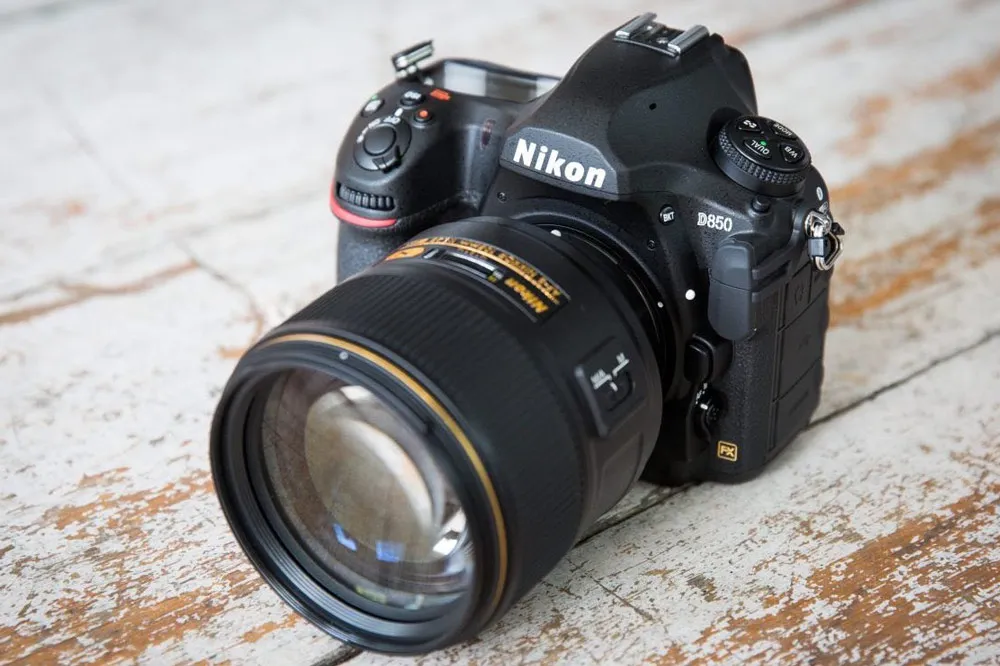
Are you an avid photographer looking for the best Nikon reflex camera? Or perhaps you’re a videographer seeking top-notch quality in your productions? Look no further! In this article, we’ll guide you through the world of Nikon reflex cameras, exploring their key features, benefits, and what to consider when choosing the perfect model for your needs.
Understanding Nikon Reflex Cameras
Nikon is a well-known brand in the photography sector, offering high-quality cameras that cater to various needs. Their reflex cameras are no exception, providing exceptional image quality, speed, and flexibility. Whether you’re a professional photographer or an enthusiast, Nikon’s reflex cameras have something to offer.
The Best Nikon Reflex Cameras
Let’s take a look at some of the top-rated Nikon reflex cameras available in the market:
- Nikon D7500 Slr
- 20.9 MP DX-format sensor
- EXPEED 5 image processing engine
- ISO range from 100 to 51,200
- Fast autofocus and burst mode capabilities
- Compatible with a wide range of Nikon lenses
- Nikon D780
- 24.5 MP CMOS FX full-format sensor
- EXPEED 6 image processing engine
- ISO range from 100 to 51,200
- Fast autofocus and burst mode capabilities
- Compatible with a wide range of Nikon lenses
- Nikon D780 + Af-s Nikkor 24-120 VR
- This bundle includes the D780 camera body and the AF-S NIKKOR 24-120mm f/3.5-6G ED VR lens
- Offers excellent image quality, speed, and flexibility
What to Consider When Choosing a Nikon Reflex Camera
When selecting a Nikon reflex camera, there are several factors to consider:
- Sensor Format: Nikon offers both APSC and full-frame sensors. Full-frame sensors provide better low-light performance and shallower depth of field.
- Megapixel Count: While megapixels are not as crucial as they once were, higher counts can be beneficial for certain applications, such as gigantography or high-end printing.
- Processor And Iso Range: A fast image processing engine and a wide ISO range ensure that you can capture images in various lighting conditions.
- Autofocus Speed And Accuracy: Fast and accurate autofocus is essential for capturing sharp images of moving subjects.
- Burst Mode And Buffer Capacity: If you plan to shoot sports or wildlife, look for cameras with fast burst modes and large buffer capacities.
- Video Capabilities: If video production is a priority, consider cameras with 4K resolution and high frame rates.
Other Factors to Consider
In addition to the above factors, here are some other aspects to keep in mind:
- Burst Mode And Buffer Capacity: The camera’s ability to capture fast sequences of images and its buffer capacity are essential for sports or wildlife photography.
- Double Slot Memory: A double slot memory allows you to have a backup storage device for emergency situations.
- Flash: Some cameras come with built-in flashes, while others may require external units.
- Video Capabilities: If video production is a priority, consider cameras with 4K resolution and high frame rates.
Conclusion
Choosing the perfect Nikon reflex camera depends on your specific needs and preferences. By considering factors such as sensor format, megapixel count, processor and ISO range, autofocus speed and accuracy, burst mode and buffer capacity, video capabilities, and other additional features, you can make an informed decision that suits your requirements.
Frequently Asked Questions (FAQs)
- What is The Difference Between Apsc And Full-frame Sensors?
- Full-frame sensors are larger than APSC sensors, providing better low-light performance and shallower depth of field.
- How Important is Megapixel Count For Photography?
- While higher megapixels can be beneficial for certain applications, it’s not as crucial as other factors like sensor format and processor speed.
- What is The Difference Between Expeed 5 And Expeed 6 Image Processing Engines?
- Both engines provide excellent image quality, but EXPEED 6 offers improved performance in terms of noise reduction and color accuracy.
- Can I Use Nikon Lenses on Other Camera Brands?
- No, Nikon lenses are designed specifically for Nikon cameras and may not be compatible with other brands.
I hope this article has provided you with a comprehensive guide to choosing the perfect Nikon reflex camera.


