
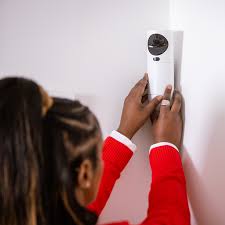
Sensor of Motion: How it Works
Are you interested in installing sensors of motion in your home for improved safety? If so, this article is perfect for you.
As we will see later on in this tutorial, the installation of these devices can be facilitated with a few simple steps and by following our guide, you will gain valuable insights into how they work and their numerous benefits.
What is a Sensor of Motion?
A sensor of motion is an electronic device that detects human presence within its range. It’s also known as a passive infrared (PIR) sensor or simply “rilevatore di movimento” in Italian.
How Does it Work?
The basic principle behind sensors of motion lies in the technology used to detect changes in temperature. When an individual moves, their body emits heat and radiation that can be detected by the sensor.
Sensors of this type operate on a passive infrared (PIR) principle. This means they’re designed to “pick up” passively the infrared radiation emitted by objects around them. They work best when there’s a temperature difference between an object and its surroundings.
Types of Sensors
There are several types of sensors available, each with varying degrees of sensitivity and range:
- Passive Infrared (PIR) sensors: These are the most common type and use heat radiation to detect movement.
- Microwave sensors: These use radio waves to detect motion and can be more accurate but also more expensive.
- Ultrasonic sensors: These use sound waves to detect motion and are often used in commercial applications.
How to Choose a Sensor
When selecting a sensor, consider the following factors:
- Range of detection: Determine how far you need the sensor to detect movement.
- Sensitivity: Consider how sensitive you want the sensor to be. A higher sensitivity may result in more false alarms.
- Power consumption: If you’re using batteries or solar power, ensure the sensor is energy-efficient.
- Mounting options: Check if the sensor can be mounted indoors or outdoors and if it’s suitable for your specific environment.
Benefits of Sensors
Sensors offer several benefits:
- Improved safety: By detecting human presence, sensors can help prevent accidents and improve overall security.
- Energy efficiency: With the ability to detect movement, sensors can automatically turn on lights or other devices when needed, saving energy.
- Convenience: Some sensors come with features like automatic lighting or temperature control, making your life easier.
Tips For Installation
Before installing a sensor, keep in mind the following:
- Mounting location: Choose an area where the sensor won’t be easily tampered with or obstructed by furniture.
- Power supply: Ensure you have the necessary power source and consider using batteries or solar panels if possible.
- Compatibility: Verify that your device is compatible with any additional features you want, such as lighting control.
Common Faqs
Here are some frequently asked questions:
- What types of sensors exist? There are several options including PIR, microwave, and ultrasonic sensors.
- How do I choose the right sensor for my needs?
- Are sensors energy-efficient?
- Can I install a sensor myself or should I hire a professional?
In conclusion, understanding how sensors work is essential for improving your home’s safety and convenience. By considering factors like range of detection, sensitivity, power consumption, and mounting options, you can make an informed decision when selecting a sensor.
Here are eight unique FAQs:
- What types of sensors exist? There are several options including PIR, microwave, and ultrasonic sensors.
- How do I choose the right sensor for my needs?
- Are sensors energy-efficient?
- Can I install a sensor myself or should I hire a professional?
- Will sensors work outdoors?
- Can sensors be integrated with smart home systems?
- How accurate are modern sensors?
- What happens if the power goes out while using a solar-powered sensor?


