
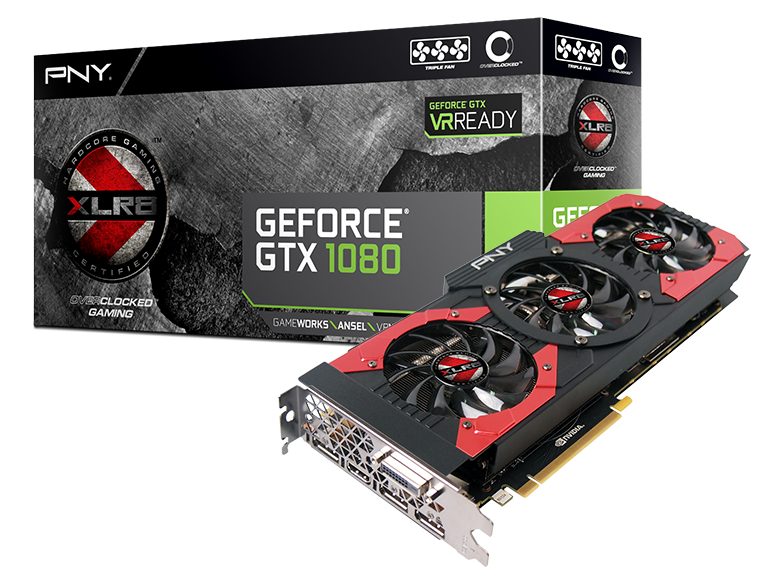
How to Allocate More Ram to Your Computer’s Graphics Card
Are you a gamer or a graphics enthusiast looking to enhance your computer’s performance? Do you want to know how to allocate more RAM to your computer’s graphics card? Look no further! In this article, we’ll guide you through the process of increasing the RAM allocation for your GPU, step by step.
What is Ram Allocation?
Before we dive into the nitty-gritty, let’s understand what RAM allocation means. RAM (Random Access Memory) is a type of computer memory that temporarily stores data and applications while they’re being processed. In the context of graphics cards, RAM allocation refers to the amount of system RAM dedicated to the GPU for graphics processing.
Why Allocate More Ram to Your Graphics Card?
Allocating more RAM to your graphics card can significantly improve performance in:
- Games: Increased frame rates and smoother gameplay
- Graphics Editing Software: Faster rendering and editing capabilities
- Video Encoding and Rendering: Enhanced video quality and faster rendering times
How to Allocate More Ram to Your Graphics Card (Internal)
To allocate more RAM to your internal graphics card, follow these steps:
Accessing Uefi/bios
- Restart Your Computer: Shut down your computer, then restart it.
- Press The Boot Key: Press the F2 or Del key to access the BIOS settings.
- Navigate to Advanced Settings: Use the arrow keys to navigate to the Advanced Settings section.
- Find Shared Memory Size: Look for the option labeled “Shared Memory Size” or “UMA Frame Buffer Size.”
- Adjust The Value: Increase the value by 1-2 MB at a time, up to a maximum of 128 MB.
Saving Changes And Rebooting
- Save Your Changes: Press F10 or Del to save your changes.
- Reboot Your Computer: The computer will automatically restart.
- Verify The Change: Check that the change has taken effect by accessing the BIOS settings again.
Alternative Solution: Editing Windows Registry
If you’re unable to access UEFI/Bios, an alternative solution is to edit the Windows registry:
- Backup Your Registry: Create a backup of your registry before making any changes.
- Open Regedit.Exe: Type “regedit” in the Run dialog box (Windows key + R).
- Navigate to Hkey_local_machine\software
- Create a New Key: Right-click on Software and select New > Key.
- Name The Key: Name the new key “GMM”.
- Create a New Dword Value: Right-click on GMM and select New > DWORD (32-bit) Value.
- Name The Value: Name the value “DedicatedSegmentSize”.
- Set The Value: Set the value to 1-512 MB, depending on your requirements.
Allocating More Ram to an External Graphics Card
If you have an external graphics card, follow these steps:
Using The Official Software
- Access The Gpu’s Control Panel: Launch the official software for your GPU (e.G., NVIDIA GeForce Experience or AMD Radeon Software).
- Adjust Settings: Adjust the settings according to your preferences.
- Save Changes And Reboot: Save the changes and reboot your computer.
Using a Booster Program
Some booster programs can push your graphics card’s performance beyond its limits:
- Download And Install: Download and install a reputable booster program (e.G., Razer Game Booster or MSI Afterburner).
- Configure Settings: Configure the settings according to your preferences.
- Monitor Performance: Monitor your graphics card’s performance using the booster software.
Overclocking Your Graphics Card
If you’re comfortable with overclocking, follow these steps:
- Research And Prepare: Research the safe limits for your GPU and prepare any necessary tools.
- Access The Uefi/bios: Access the UEFI/Bios settings (if possible).
- Adjust Overclock Settings: Adjust the overclock settings according to your preferences.
Is This Process Safe?
Allocating more RAM to your graphics card is generally safe, but be aware of potential risks:
- System instability
- Reduced performance in other applications
To mitigate these risks, monitor your system’s performance and adjust the RAM allocation accordingly.
Conclusion
Allocating more RAM to your graphics card can significantly improve performance in games, graphics editing software, and video encoding. By following these steps, you can increase the RAM allocation for your GPU, whether it’s internal or external. Remember to be cautious when overclocking and monitor your system’s performance closely.
Frequently Asked Questions (FAQs)
- What is The Maximum Amount of Ram I Can Allocate?
The maximum amount of RAM you can allocate varies depending on your graphics card model and motherboard. - Will Allocating More Ram to my Gpu Reduce Performance in Other Applications?
Yes, allocating more RAM to your GPU will reduce performance in other applications that rely on system RAM. - Can I Overclock my Gpu For Better Performance?
Yes, you can overclock your GPU for better performance, but be aware of potential risks and monitor your system’s performance closely. - How do I Verify if The Change Has Taken Effect?
To verify if the change has taken effect, access the BIOS settings or check the graphics card control panel for confirmation.
We hope this article has provided you with a comprehensive guide to allocating more RAM to your computer’s graphics card. If you have any further questions or concerns, feel free to ask!


