
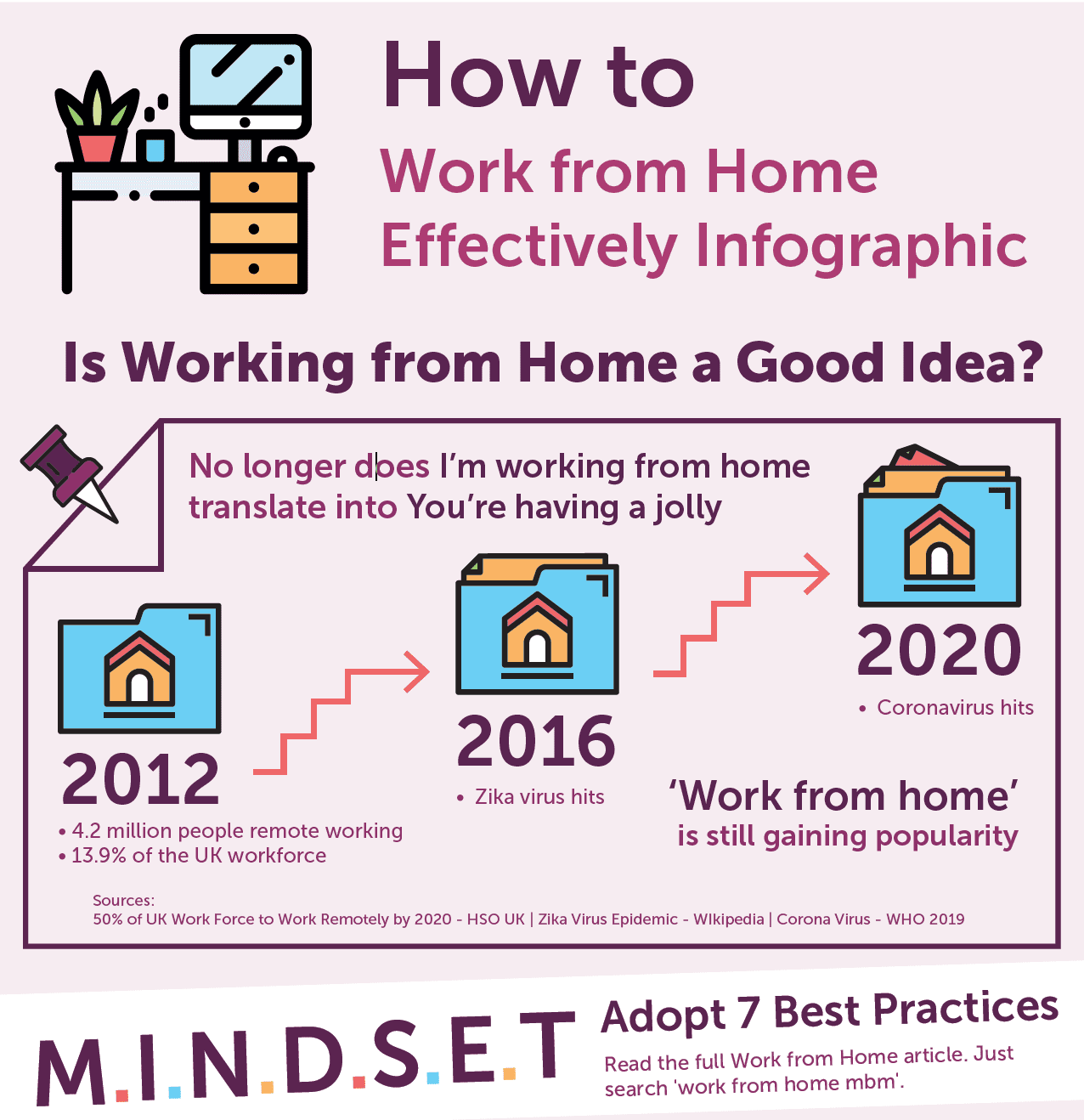
How to Work Remotely: A Comprehensive Guide
Are you tired of the daily commute and looking for a more flexible way to work? Do you dream of becoming a digital nomad and working from anywhere in the world? You’re not alone! Many people are now choosing to work remotely, and it’s easier than ever to get started. In this article, we’ll explore what it means to work remotely, how to prepare for a remote job, and some specific remote jobs that you might find interesting.
What Does It Mean to Work Remotely?
Working remotely, also known as working from home or working online, means performing your job tasks without being physically present in an office. This can be done from anywhere with a stable internet connection, whether it’s from the comfort of your own home, a coffee shop, or even a beach resort.
There are two main types of remote work: Freelancing and full-time employment. Freelancers work on a project-by-project basis, often as independent professionals, while full-time employees work for a company in exchange for a salary and benefits.
Instruments You’ll Need to Work Remotely
To get started with remote work, you’ll need some essential instruments:
- A Portable or Fixed Computer: A laptop or desktop computer is necessary for most remote jobs. Consider investing in a high-performance device that can handle your workload.
- Stable Internet Connection: You’ll need a reliable internet connection to perform your tasks efficiently.
- Webcam And Microphone: These tools are essential for video conferencing, which is common in remote work.
- Desk And Chair: A comfortable workspace with good lighting and minimal distractions will help you stay productive.
How to Prepare For a Remote Job
Before applying for a remote job, make sure you’re prepared:
- Choose The Right Sector: Identify your skills and interests, then choose industries that align with them.
- Update Your CV And Linkedin Profile: Make sure your resume and online presence showcase your relevant experience and qualifications.
- Practice Video Conferencing: Familiarize yourself with platforms like Zoom or Skype to ensure you’re comfortable participating in virtual meetings.
Specific Remote Jobs
Here are some remote jobs that you might find interesting:
- Customer Service Representative: Many companies hire customer support staff to work from home, responding to queries and resolving issues via phone, email, or chat.
- Data Entry Clerk: This role involves entering information into databases or spreadsheets, often requiring strong organizational skills and attention to detail.
- Virtual Assistant: As a virtual assistant, you’ll provide administrative support to businesses or entrepreneurs, handling tasks such as scheduling appointments and responding to emails.
Working Remotely For Amazon
If you’re interested in working remotely for Amazon, know that the company offers various opportunities for flexible work arrangements. Visit Amazon’s website to explore available positions and apply online.
How to Work Like a Translator of Remote
Are you fluent in multiple languages and interested in working as a translator? Utilize platforms like Translated or TextMaster to connect with clients who require translation services.
Conclusion
Working remotely offers numerous benefits, including flexibility, reduced commuting time, and the opportunity to work from anywhere. To get started, choose the right sector for your skills, update your CV and LinkedIn profile, and familiarize yourself with remote work platforms. With this guide, you’re ready to embark on a new career path as a digital nomad.
Frequently Asked Questions
Q: What are the benefits of working remotely?
A: Flexibility, reduced commuting time, and increased productivity are some of the key advantages of remote work.
Q: Do I need specialized equipment to work remotely?
A: Yes, you’ll need a reliable computer, stable internet connection, webcam, microphone, and comfortable workspace.
Q: How do I prepare for a remote job?
A: Update your CV and LinkedIn profile, practice video conferencing, and familiarize yourself with remote work platforms.
Q: Are there any specific remote jobs that I might find interesting?
A: Yes, consider roles like customer service representative, data entry clerk, or virtual assistant.
Q: Can I work remotely for Amazon?
A: Yes, Amazon offers various opportunities for flexible work arrangements. Visit their website to explore available positions and apply online.
Q: How do I become a translator of remote?
A: Utilize platforms like Translated or TextMaster to connect with clients who require translation services.
Q: What are the most essential instruments for working remotely?
A: A portable or fixed computer, stable internet connection, webcam, microphone, desk, and chair are some of the must-haves.
Bonus
For more information on remote work, including guides on finding remote jobs, creating a CV and LinkedIn profile, and exploring specific sectors, visit our website. Stay tuned for future articles on topics like digital marketing, social media management, and online entrepreneurship!


