
Creating Conceptual Maps: A Comprehensive Guide
Are you looking for innovative ways to visualize ideas and concepts? Look no further than conceptual maps! These visual tools have been widely adopted in various fields, from education to business, to help individuals and teams brainstorm, organize, and communicate complex information.
In this article, we will delve into the world of conceptual maps, exploring what they are, their benefits, and the best tools to create them. We’ll also discuss how to use these tools effectively, including tips for beginners.
What Are Conceptual Maps?
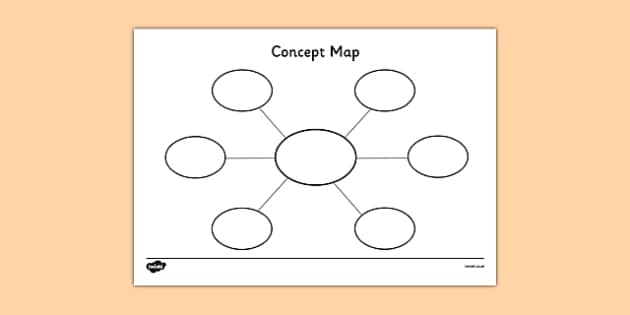
A conceptual map is a visual representation of ideas, concepts, and relationships between them. It’s a way to organize and structure information in a clear and concise manner, making it easier to understand and communicate complex ideas.
Conceptual maps can take many forms, including diagrams, flowcharts, mind maps, and more. They’re often used in brainstorming sessions, planning projects, and creating presentations.
Benefits of Conceptual Maps
So, why should you use conceptual maps? Here are just a few benefits:
- Improved Communication: Conceptual maps help to clarify complex ideas and make them easier to understand.
- Increased Productivity: By organizing information visually, you can quickly identify relationships between concepts and prioritize tasks more effectively.
- Enhanced Creativity: Visualizing ideas can help stimulate creative thinking and inspire new perspectives.
Best Tools For Creating Conceptual Maps
Now that we’ve explored the benefits of conceptual maps, let’s take a look at some of the best tools to create them:
Mindmeister
- A popular online tool for creating mind maps and conceptual diagrams.
- Offers a free version with limited features, as well as a subscription-based option for more advanced tools.
Mindomo
- Another powerful online tool for creating conceptual maps, mental models, and diagrams.
- Also offers a free version with limitations, as well as a paid subscription for additional features.
Creately
- A user-friendly online tool for creating flowcharts, mind maps, and conceptual diagrams.
- Offers a free version with limited features, as well as a paid subscription for more advanced tools.
Diagrams.net
- A web-based tool for creating diagrams, flowcharts, and conceptual maps.
- Offers a free version with limitations, as well as a paid subscription for additional features.
Goconqr
- An online platform that allows users to create interactive conceptual maps, among other tools.
- Offers a free version with limited features, as well as a paid subscription for more advanced tools.
Bubbl.us
- A user-friendly online tool for creating mind maps and conceptual diagrams.
- Offers a free version with limitations, as well as a paid subscription for additional features.
Mindmup
- An online platform that allows users to create conceptual maps and collaborate with others in real-time.
- Offers a free version with limited features, as well as a paid subscription for more advanced tools.
Mapsofmind
- A web-based tool for creating mental and conceptual maps directly online.
- Offers a free version with limitations, as well as a paid subscription for additional features.
Tips For Creating Effective Conceptual Maps
Now that you’ve chosen your tool of choice, here are some tips to help you create effective conceptual maps:
- Keep it Simple: Don’t overcomplicate your map by adding too many details or unnecessary elements.
- Use Clear And Concise Language: Make sure your labels and text are easy to read and understand.
- Organize Your Information: Group related concepts together and use visual cues to highlight important relationships.
- Experiment And Iterate: Don’t be afraid to try new approaches and refine your map as you go along.
Conclusion
Creating conceptual maps is a powerful way to visualize ideas, communicate complex information, and enhance productivity. By choosing the right tool for your needs and following these tips, you can create effective conceptual maps that help you achieve your goals.
Whether you’re an individual looking to improve your brainstorming skills or a team leader seeking to communicate complex ideas more effectively, conceptual maps are an invaluable asset in today’s fast-paced world.
Frequently Asked Questions (FAQs)
Here are some frequently asked questions about conceptual maps:
Q: What is The Purpose of a Conceptual Map?
A: A conceptual map is used to visualize and organize information in a clear and concise manner, making it easier to understand and communicate complex ideas.
Q: How do I Choose The Right Tool For Creating Conceptual Maps?
A: Consider your specific needs and preferences. Look for tools that offer a free version with limited features, as well as paid subscription options for more advanced tools.
Q: What Are Some Tips For Creating Effective Conceptual Maps?
A: Keep it simple, use clear and concise language, organize your information, and experiment and iterate to refine your map.
Q: Can I Use Conceptual Maps in Various Fields, Such as Education or Business?
A: Yes! Conceptual maps can be applied in many different contexts, from brainstorming sessions to project planning and presentations.


