
The Revolutionary World of Optical Fibre: A Guide to Understanding And Choosing The Best Plans
As we navigate through the digital age, our reliance on internet connectivity has become more pronounced than ever. With the rapid advancements in technology, the way we access and use the internet is constantly evolving. One of the key players in this revolution is optical fibre, which has been touted as a game-changer in terms of speed, reliability, and efficiency. In this article, we will delve into the world of optical fibre, exploring how it works, its advantages over traditional copper cables, and the various plans available from major operators.
What is Optical Fibre?
Optical fibre, also known as fiber optic cable, is a type of telecommunications technology that uses light to transmit data through thin glass or plastic strands. This method allows for faster and more reliable data transfer compared to traditional copper cables. The principle behind optical fibre is based on the transmission of light impulses, similar to how laser beams work.
How Does Optical Fibre Work?
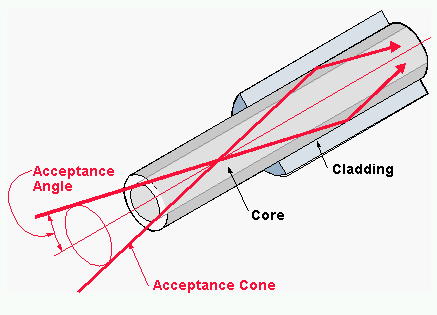
The operation of optical fibre is relatively straightforward. When a signal is sent through the fibre, it is converted into a light impulse that travels through the fibre’s core. This core is made up of a highly purified glass or plastic material that allows the light to pass through with minimal loss of intensity. The cladding surrounding the core serves to contain and direct the light, ensuring it stays within the fibre.
Advantages Over Traditional Copper Cables
Compared to traditional copper cables, optical fibres have several advantages:
- Speed: Optical fibres can transmit data at much faster speeds than copper cables, making them ideal for applications that require high-bandwidth connections.
- Reliability: Optical fibres are less susceptible to electromagnetic interference and physical damage compared to copper cables, ensuring a more stable connection.
- Long-distance Transmission: Optical fibres can transmit data over longer distances without the need for signal amplification, making them suitable for use in telecommunications.
How Are Optical Fibre Cables Produced?
The production of optical fibre cables involves several stages:
- Glass or Plastic Filament Creation: The process begins with the creation of thin glass or plastic filaments that will form the core and cladding of the fibre.
- Fusion And Drawing: The filaments are then fused together to create a single, long strand that forms the basis of the fibre.
- Cladding Application: The cladding is applied to the core to contain and direct the light signal.
- Coating And Protection: A protective coating is applied to the fibre to prevent damage and ensure reliable operation.
Plans Available From Major Operators
Several major operators offer optical fibre plans, each with its unique features and pricing:
- Tim’s Premium Fibre: This plan offers connection speeds of up to 1 Gbps, with a modem TIM HUB+ included.
- Vodafone’s Internet Unlimited: This plan includes internet connection in optical fibre until 2.5 Gbps, with a modem included in the price.
- Wind Tre’s Super Fibre: This plan offers connection speeds of up to 1 Gbps, with a modem included in the price.
Choosing The Best Plan For You
When selecting an optical fibre plan, consider the following factors:
- Speed Requirements: Determine your minimum required speed based on your internet usage.
- Operator Availability: Check which operators offer coverage in your area.
- Pricing And Promotions: Compare prices and promotions offered by different operators to find the best deal.
Conclusion
Optical fibre has revolutionized the way we access and use the internet, offering faster, more reliable connections compared to traditional copper cables. By understanding how optical fibre works, its advantages over traditional copper cables, and the various plans available from major operators, you can make an informed decision when choosing the best plan for your needs.
Frequently Asked Questions
Q: What is optical fibre?
A: Optical fibre is a type of telecommunications technology that uses light to transmit data through thin glass or plastic strands.
Q: How does optical fibre work?
A: The operation of optical fibre involves the transmission of light impulses through the core of the fibre, which is surrounded by a cladding that contains and directs the light signal.
Q: What are the advantages of optical fibre over traditional copper cables?
A: Optical fibres offer faster speeds, greater reliability, and longer-distance transmission capabilities compared to copper cables.
Q: How are optical fibre cables produced?
A: The production of optical fibre cables involves several stages, including glass or plastic filament creation, fusion and drawing, cladding application, coating and protection.
Q: What plans are available from major operators?
A: Several major operators offer optical fibre plans, each with its unique features and pricing.
Q: How do I choose the best plan for my needs?
A: Consider factors such as speed requirements, operator availability, and pricing and promotions when selecting an optical fibre plan.


