
Better Take Out Antenna Tv: A Guide to Shopping (2024)
Are you looking to upgrade your television’s reception quality, availability of channels, and reduce interferences? Look no further! This guide will walk you through the process of selecting the best antenna cables for your digital terrestrial or satellite TV.
Understanding The Importance of Antenna Cables
Antenna cables are a crucial component in ensuring that your TV receives a clear signal. A good cable can make all the difference in providing an excellent viewing experience. However, with so many options available, choosing the right one can be overwhelming.
Choosing The Right Cable Type: Tipologia
Before making a purchase, it’s essential to determine the type of cable you need. If your TV is set up for digital terrestrial signal reception or satellite TV, choose a cable that matches these requirements. Although both types of cables may appear similar, there are structural differences that affect their ability to resist interferences.
The Importance of Cable Diameter: Diametro
The diameter of the cable is another critical factor in ensuring proper transmission and resistance to interference. Avoid using cables with diameters less than 6 mm, as they can be prone to degradation. Standard cables with diameters between 7-10 mm are recommended for their stability and adaptability.
Selecting The Right Materials: Materiali
Traditionally, copper has been used as the core material in coaxial cables due to its high electrical conductivity. Other materials like alloys that include a percentage of copper can also be used. Copper-coated materials provide better insulation, resistance, and signal capacity. Look for products with high-quality materials and adequate shielding.
Understanding Impedance: Impedenza
A good cable antenna should have consistent impedance along its entire length to ensure proper transmission and minimize reflections. For domestic applications, a standard impedance of 75 ohms is recommended. However, professional contexts may require an impedance of 50 ohms.
Evaluating Shielding Effectiveness: Schermatura
The level of shielding (dB) in a cable directly affects its ability to resist electromagnetic interferences. A minimum of 75 dB is sufficient for DTT applications, but satellite TV systems require higher shielding effectiveness (90 dB).
Choosing The Right Cable Length: Lunghezza
When selecting a cable length, consider the distance between the antenna and the device. Longer cables can result in signal loss, especially at high frequencies.
Ensuring Proper Connections: Connettori
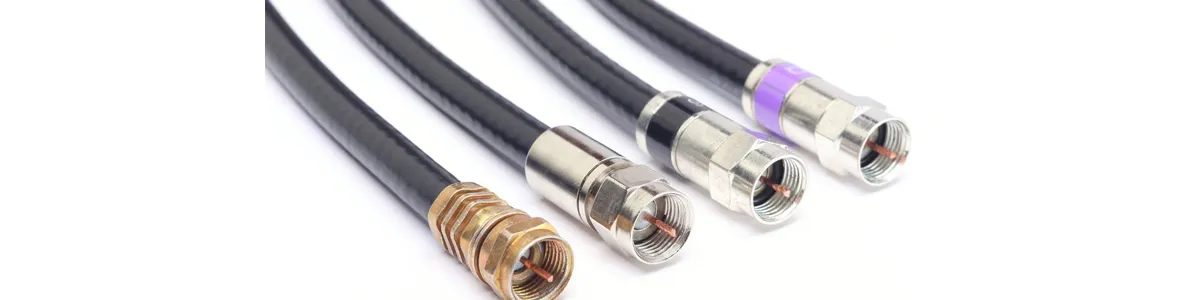
Check if the cable already comes with pre-attached connectors or if you need to purchase separate connectors. Ensure that the orientation of the connectors matches your requirements.
By following these guidelines, you’ll be able to choose the best antenna cable for your TV setup and enjoy a high-quality viewing experience.
Recommended Products:
- Hama Take Out Antenna #M/*F, 75 Ohm, 1,5 Meters: A reliable choice with robust construction and double shielding.
- Kabeldirekt Take Out Antenna 4K 0,5m: A high-quality cable suitable for 4K applications with continuous and multi-layered shielding.
- RL Cable Antenna TV *3m: A flexible coaxial cable ideal for digital terrestrial TV reception with gilded contacts and a durable design.
Conclusion:
Choosing the right antenna cable can be overwhelming, but by understanding the importance of cable type, diameter, materials, impedance, shielding effectiveness, length, and connectors, you’ll be able to make an informed decision. Remember to consider your specific requirements and choose a product that meets those needs.
Frequently Asked Questions (FAQs):
- Q: What is the ideal cable diameter for TV antenna applications?
A: A standard diameter of 7-10 mm is recommended. - Q: Which materials are commonly used in coaxial cables?
A: Copper, alloys containing copper, and other metals like aluminium or silver. - Q: What is the typical impedance for domestic TV applications?
A: A standard impedance of 75 ohms is recommended. - Q: How does cable length affect signal transmission?
A: Longer cables can result in signal loss, especially at high frequencies. - Q: Are pre-attached connectors essential?
A: Yes, ensure that the cable comes with compatible and durable connectors. - Q: Can I use a satellite TV cable for DTT applications?
A: No, it’s recommended to use a cable specifically designed for DTT reception. - Q: How do I choose between a coaxial cable with different shielding levels?
A: Consider your specific requirements, such as the type of transmission and desired level of interference protection.
By following this guide and considering these FAQs, you’ll be able to select the perfect antenna cable for your TV setup and enjoy a seamless viewing experience.


