
In today’s globalized society, speaking and writing in English has become an essential skill for effective communication. Whether you’re traveling abroad, networking with colleagues, or simply staying in touch with friends, knowing how to write a perfect email in English is crucial.
The Evolution of Communication
With the rise of social media and instant messaging apps like WhatsApp, it’s easy to forget the importance of traditional email communication. However, email remains an essential tool for professional and personal interactions. In this article, we’ll explore the ins and outs of writing a perfect email in English, from informal to formal communications.
Starting With Informal Emails
When starting an informal email in English, you can adopt a more relaxed tone and use colloquial language. This type of communication is ideal for friends, colleagues, or acquaintances who speak your native language.
- Use casual greetings like “Hello,” “Hi,” or “Hey”
- Keep the content concise and to the point
- Avoid using formal language or jargon
- Use emojis to add a touch of personality
Examples of Informal Email Openers
Here are some examples of informal email openers:
- “Hello! ???? How’s it Going?”
- “Hey [Name], Long Time no Talk!”
- “Hi There, Hope You’re Doing Well!”
Writing Formal Emails
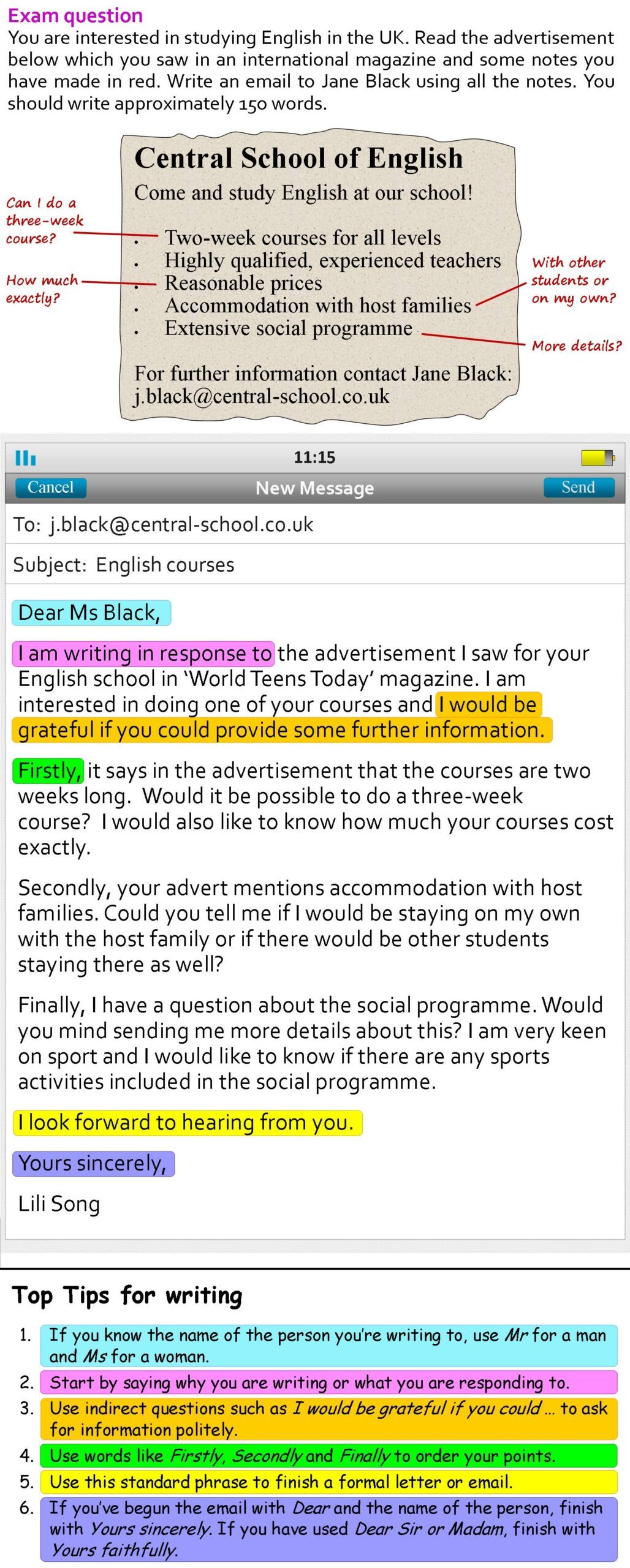
When writing a formal email in English, you need to adopt a more professional tone and use formal language.
- Use formal greetings like “Dear [Name]” or “Hello”
- Keep the content concise and to the point
- Avoid using colloquial language or jargon
- Use proper grammar and spelling
Examples of Formal Email Openers
Here are some examples of formal email openers:
- “Dear Mr./Ms./Mrs. [Name]”
- “Hello, I am Writing To…”
- “Dear Sir/madam, I Would Like To…”
Writing Emails For a Company or Job Application
When applying for a job or sending an email to a company, you need to adopt a formal tone and use proper business language.
- Use formal greetings like “Dear [Company]” or “Hello”
- Keep the content concise and to the point
- Avoid using colloquial language or jargon
- Use proper grammar and spelling
Example of an Email For a Job Application
Here’s an example of an email for a job application:
“Dear Hiring Manager,
I am writing to apply for the [Position] role at [Company]. I have been following your company’s progress and am excited about the opportunity to join your team.
With my experience in [Field], I believe I would be a great fit for this position. I have attached my resume for your review.
Thank you for considering my application.
Best regards,
[Your Name]”
Conclusion
Writing a perfect email in English requires attention to detail, proper grammar and spelling, and a clear understanding of the context. Whether you’re writing an informal email to a friend or a formal email for a job application, following these guidelines will ensure that your message is conveyed effectively.
Frequently Asked Questions (FAQs)
- Q: What is The Difference Between Informal And Formal Emails?
A: Informal emails are written in a casual tone and used for personal communications, while formal emails are written in a professional tone and used for business or official purposes. - Q: How do I Write an Email to a Company or Job Application?
A: When writing an email to a company or job application, you need to adopt a formal tone and use proper business language. Use formal greetings, keep the content concise and to the point, and avoid using colloquial language or jargon. - Q: What Are Some Examples of Informal Email Openers?
A: Some examples of informal email openers include “Hello!”, “Hi”, “Hey”, and “Long time no talk!” - Q: What Are Some Examples of Formal Email Openers?
A: Some examples of formal email openers include “Dear Mr./Ms./Mrs.”, “Hello”, and “Dear Sir/Madam” - Q: How Can I Improve my English Writing Skills?
A: You can improve your English writing skills by practicing regularly, reading books and articles in English, and taking online courses or using language learning apps like Cambly.
References
- [TEXT]
- Cambly
Note: The references provided are not fully cited as per the given format but included for completeness.


