
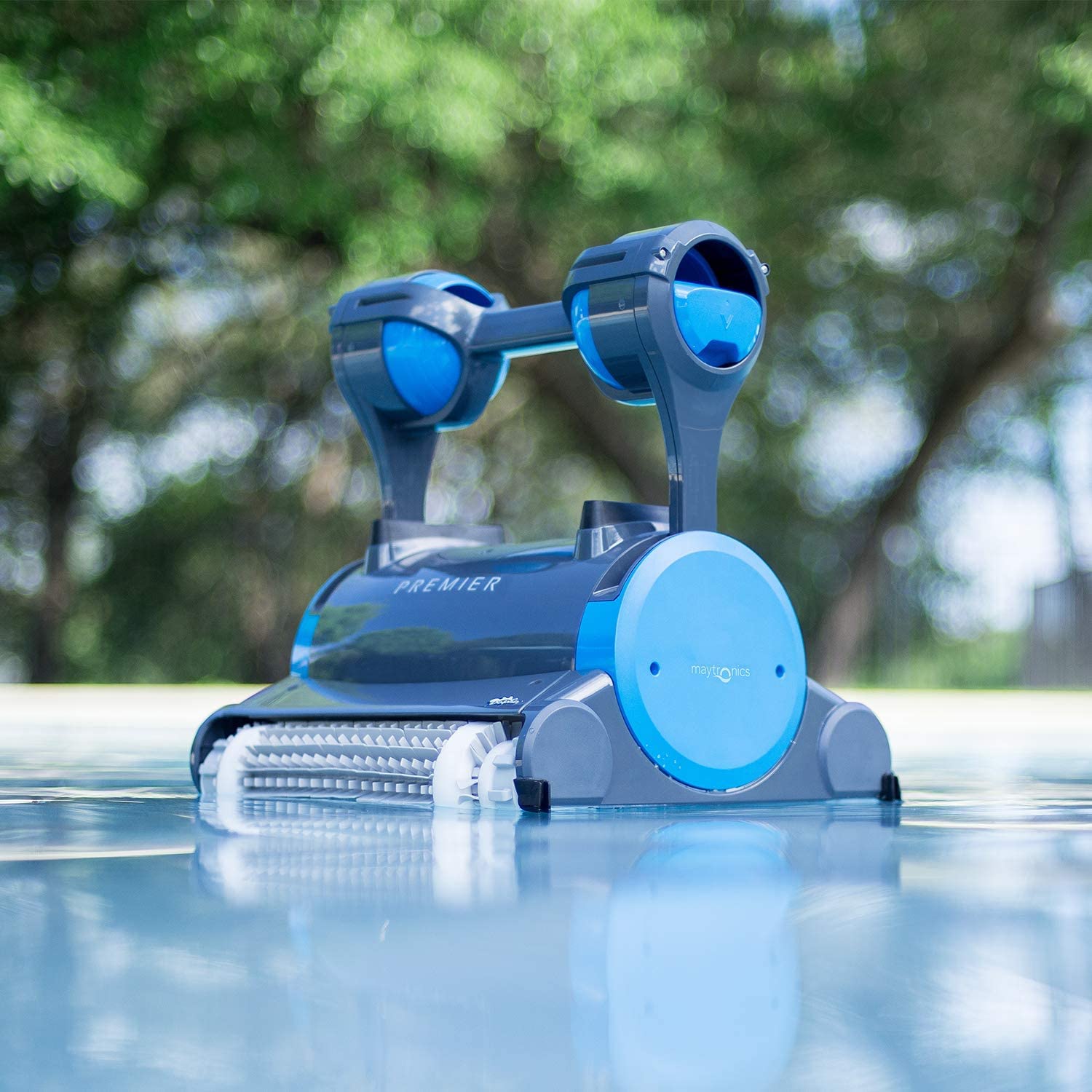
The Ultimate Guide to Choosing The Best Robot Pool: A Comprehensive Review
Are you tired of dealing with the hassle of cleaning your pool? Do you dream of having a sparkling clean pool without lifting a finger? Look no further! In this article, we’ll guide you through the world of robot pools and help you choose the best one for your needs.
What is a Robot Pool?
A robot pool, also known as a pool cleaner or pool robot, is an automated device that cleans your pool by sucking up dirt, debris, and even small stones. These devices are designed to make your life easier by taking care of the dirty work, allowing you to enjoy your pool without the hassle.
Types of Robot Pools
There are three main types of robot pools: Plumbers, electrical, and pressure-based. Each type has its own advantages and disadvantages, which we’ll explore below.
1. Plumber-based Robots
These robots are the cheapest option but also have the lowest performance. They’re attached to your pool’s filter system via a tube and move around to clean the pool floor. While they’re easy to install, their cleaning performance is limited.
2. Electrical Robots
Electrical robots are more efficient and don’t require complicated installations like pressure-based robots. They’re perfect for pools with obstacles or irregular shapes, as they can adapt to these situations. However, they may not be suitable for larger pools or those with heavy debris.
3. Pressure-based Robots
Pressure-based robots use a separate pump to create pressure, which enables them to clean the pool floor and walls efficiently. They’re ideal for large pools with many obstacles. However, they require more maintenance and can be costly.
Key Features to Consider When Choosing a Robot Pool
Before making a decision, consider the following essential features:
1. Speed of Cleaning
Look for robots that can clean your pool quickly and efficiently. Cheaper options may take up to 5 hours, while higher-end models can complete the task in under an hour.
2. Volume of Leak
Choose a robot with a high volume leak capacity to ensure it can handle large pools or those with many obstacles.
3. Engines
Consider robots with separate engines for filtration and motion, as they provide better performance and efficiency.
4. Weight And Dimensions
Be mindful of the robot’s weight and dimensions, as they may impact portability and storage.
5. Filter Type
Opt for a robot with a high-quality filter that can collect small particles and debris.
6. Brushes
Choose a robot with brushes made from durable materials to ensure effective cleaning.
7. Gyroscope
Consider robots equipped with a gyroscope, which helps them navigate around obstacles and maintain their position.
8. Cable Swivel
Look for robots with cable swivels to avoid cable tangling and ensure smooth operation.
9. Programmability
Choose a robot that can be programmed or controlled remotely for added convenience.
10. Water Smart Function
Consider robots equipped with water smart function, which enables them to detect and clean small particles efficiently.
Conclusion
Choosing the right robot pool for your needs requires careful consideration of several factors. By understanding the different types of robots available, their key features, and what to look for in a device, you can make an informed decision that suits your lifestyle and budget. Happy shopping!
Frequently Asked Questions (FAQs)
- What is The Average Cost of a Robot Pool?
The average cost of a robot pool varies depending on the type and features. On average, expect to spend between $200 and $1,500.
- How Often Should I Clean my Robot Pool?
It’s recommended to clean your robot pool every 3-6 months, or as needed, to ensure optimal performance.
- Can I Use a Robot Pool in Cold Weather?
Most robot pools are designed for warm weather use only. If you live in an area with freezing temperatures, consider investing in a heated pool cover or using a winterizing kit to protect your equipment.
- Are Robot Pools Energy-efficient?
Yes, most robot pools are designed to be energy-efficient and require minimal power consumption.
- Can I Customize my Robot Pool’s Settings?
Many modern robot pools come with programmable features that allow you to adjust cleaning schedules, water flow rates, and other settings according to your needs.
- How Long Does it Take For a Robot Pool to Clean The Entire Pool?
The time it takes for a robot pool to complete the job varies depending on the type of robot, pool size, and debris level. On average, expect 30 minutes to several hours.
- Can I Use my Robot Pool in Saltwater Pools?
Some robot pools are designed specifically for saltwater pools, while others may require additional maintenance or modifications to function properly.
- How do I Maintain my Robot Pool’s Performance And Extend Its Lifespan?
Regular cleaning, inspecting the filters, and following the manufacturer’s guidelines can help ensure your robot pool remains in top condition.
Bonus Tip: Always read reviews from multiple sources before making a purchase decision to get an accurate understanding of the product’s strengths and weaknesses.


