
The Future of Virtual Reality: Exploring Its Potential And Possibilities
In recent years, virtual reality (VR) has become a buzzword in the tech industry, with many companies investing heavily in this technology. But what exactly is VR, and how can it be used? In this article, we will delve into the world of VR, exploring its potential and possibilities, as well as some of the challenges that come with it.
What is Virtual Reality?
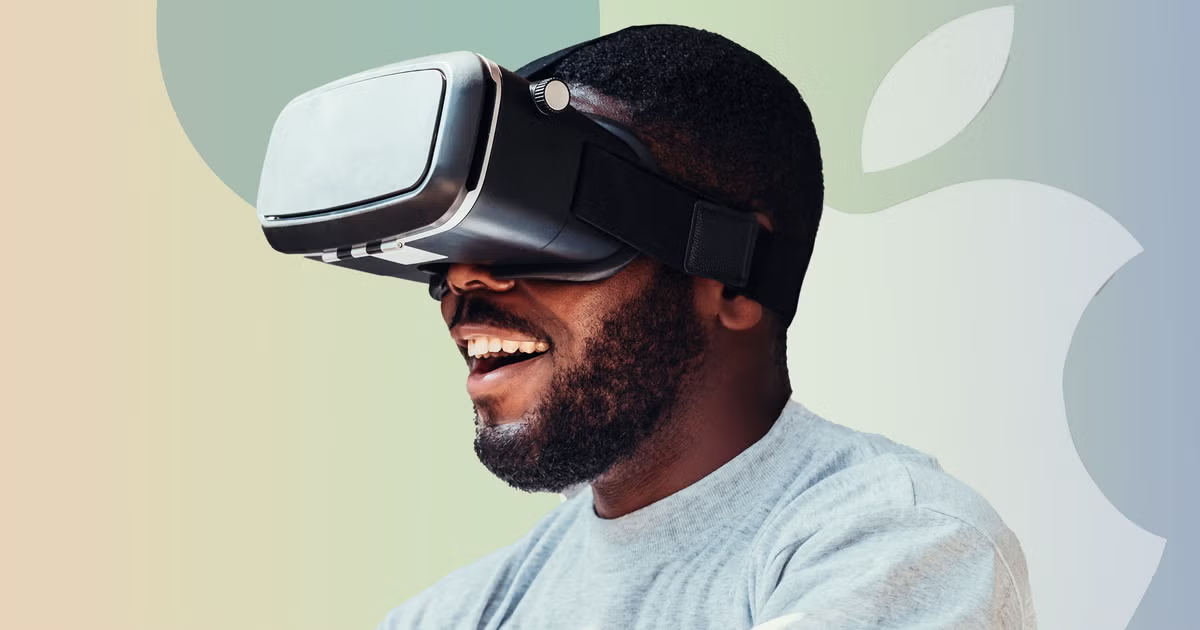
Virtual reality is a computer-generated simulation of a three-dimensional environment that can be experienced by a user using a variety of devices, including head-mounted displays (HMDs), gloves, and controllers. The goal of VR is to create an immersive experience that simulates the real world, allowing users to interact with virtual objects and environments in a seemingly real way.
How Does Virtual Reality Work?
VR works by using a combination of software and hardware to create a simulated environment. This can be achieved through various means, including:
- Head-tracking: The use of sensors and cameras to track the user’s head movements, allowing them to look around and interact with virtual objects.
- Motion Tracking: The use of sensors and algorithms to track the user’s body movements, allowing them to move around and interact with virtual environments.
- 3D Rendering: The use of computer graphics to create detailed, three-dimensional models of virtual environments and objects.
Applications of Virtual Reality
VR has a wide range of applications, including:
- Entertainment: VR can be used to create immersive gaming experiences, allowing users to step into the world of their favorite games.
- Education: VR can be used to create interactive educational experiences, allowing students to learn through hands-on interaction with virtual environments and objects.
- Healthcare: VR can be used to create simulated environments for medical training, allowing healthcare professionals to practice procedures in a safe and controlled environment.
Challenges of Virtual Reality
While VR has many potential benefits, it also comes with some challenges. Some of these include:
- Cost: High-end VR equipment can be expensive, making it difficult for individuals and businesses to invest in.
- Content Creation: Creating high-quality, engaging content for VR experiences can be time-consuming and costly.
- Motion Sickness: Some users may experience motion sickness when using VR, which can be a major issue for those who are prone to it.
The Future of Virtual Reality
Despite the challenges, VR has enormous potential for growth and development. As technology continues to improve, we can expect to see more advanced and affordable VR equipment, as well as increased investment in content creation.
Virtual Reality And Education
VR has a significant potential for use in education, allowing students to learn through hands-on interaction with virtual environments and objects. This can be particularly beneficial for subjects such as:
- History: Students can explore historical events and environments in a way that is engaging and interactive.
- Science: Students can conduct experiments and investigations in a safe and controlled environment.
- Language: Students can practice languages through immersive, interactive experiences.
Virtual Reality And Healthcare
VR has a significant potential for use in healthcare, allowing medical professionals to practice procedures in a safe and controlled environment. This can be particularly beneficial for:
- Surgical Training: Surgeons can practice complex procedures in a virtual environment, reducing the risk of complications.
- Patient Education: Patients can learn about their conditions and treatments through interactive, immersive experiences.
Virtual Reality And Entertainment
VR has enormous potential for use in entertainment, allowing users to step into the world of their favorite games. This can be particularly beneficial for:
- Gaming: Players can experience immersive gaming experiences that simulate real-world environments.
- Travel: Users can explore destinations through virtual reality, without the need for physical travel.
Conclusion
Virtual reality has enormous potential for growth and development, with applications in education, healthcare, entertainment, and beyond. While there are challenges to be addressed, the benefits of VR make it an exciting and worthwhile investment for individuals and businesses alike.
Frequently Asked Questions (FAQs)
- What is Virtual Reality?
Virtual reality is a computer-generated simulation of a three-dimensional environment that can be experienced by a user using a variety of devices.
- How Does Virtual Reality Work?
VR works by using a combination of software and hardware to create a simulated environment, including head-tracking, motion tracking, and 3D rendering.
- What Are The Applications of Virtual Reality?
VR has a wide range of applications, including entertainment, education, healthcare, and beyond.
- What Are The Challenges of Virtual Reality?
Some of the challenges of VR include cost, content creation, and motion sickness.
- What is The Future of Virtual Reality?
Despite the challenges, VR has enormous potential for growth and development, with increased investment in content creation and more affordable equipment on the horizon.
- How Can I Get Started With Virtual Reality?
You can start by investing in a high-end VR headset or exploring low-cost alternatives such as Google Cardboard.
- What Are Some Examples of Virtual Reality Applications?
Some examples include educational experiences, medical training simulations, and immersive gaming environments.
- Is Virtual Reality Safe?
While there are risks associated with VR, such as motion sickness, most high-end headsets come equipped with safety features to minimize the risk of injury.


