
How Solar Panels Work: A Comprehensive Guide
Are you considering investing in solar panels for your home or business? Look no further! In this article, we’ll delve into the world of photovoltaic energy and explore how solar panels work, their various types, and what to consider when choosing the best panels for your needs.
What Are Solar Panels?
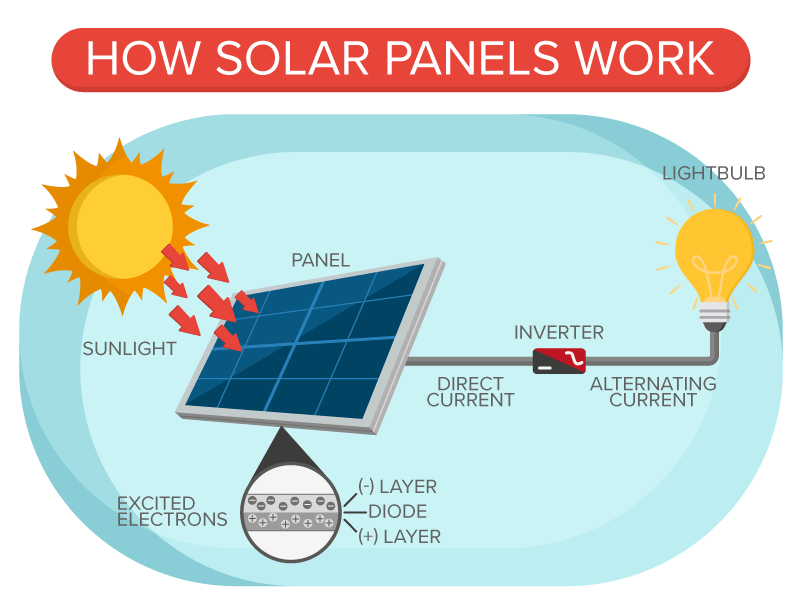
Solar panels, also known as photovoltaic (PV) panels, are devices that convert sunlight into electricity. They consist of many small photovoltaic cells, which are made from semiconducting materials like silicon. When sunlight hits these cells, it excites the electrons, allowing them to flow through the material and create an electrical current.
How Do Solar Panels Generate Electricity?
The process of generating electricity from solar panels is relatively simple:
- Sunlight hits the photovoltaic cells on the solar panel.
- The energy from the sunlight excites the electrons in the cells, causing them to flow through the material.
- This flow of electrons creates an electrical current.
- The current is then sent through an inverter, which converts it into alternating current (AC) electricity that can be used in homes and businesses.
Types of Solar Panels
There are several types of solar panels available, each with its own unique characteristics and benefits:
- Photovoltaic With Accumulo: These panels have a built-in battery to store excess energy generated during the day for use at night or on cloudy days.
- Photovoltaic Without Accumulo: These panels do not have a built-in battery and instead sell any excess energy back to the grid.
- Solar Panels of Balcone: These are smaller, portable solar panels that can be used to charge devices like smartphones and laptops.
- Solar Panels Termici: These panels use thermal energy from the sun to heat water or provide space heating.
How Do Solar Panels Function With Accumulo?
Photovoltaic panels with accumulo have a built-in battery to store excess energy generated during the day. This allows for greater autonomy and independence from the grid, making them ideal for remote locations or off-grid applications.
How Do Solar Panels Function Without Accumulo?
Photovoltaic panels without accumulo do not have a built-in battery and instead sell any excess energy back to the grid. This is often the case in urban areas where electricity prices are high and demand is high.
Solar Panels For Balcone: A Practical Solution
For those who cannot install traditional solar panels on their roof, solar panels of balcone offer a practical solution. These smaller panels can be used to charge devices or provide a small amount of power for specific needs.
Solar Panels Termici: Using Thermal Energy
Solar panels termici use thermal energy from the sun to heat water or provide space heating. This type of panel is ideal for households that rely heavily on hot water and space heating.
Advantages of Solar Panels Without Accumulo
While photovoltaic panels with accumulo offer greater autonomy, those without accumulo have several advantages:
- Energy Exchange: Excess energy can be sold back to the grid.
- Low Maintenance: No battery means less maintenance and fewer potential points of failure.
- High Reliability: Grid-connected solar panels are generally more reliable than off-grid systems.
What Are The Incentives For Solar Panels?
There are several incentives available for those who invest in solar panels:
- Energy Account: A payment scheme that rewards households for generating their own renewable energy.
- Regional And Local Incentives: Some regions offer additional incentives to promote the adoption of solar energy.
- Tax Credits: Governments may offer tax credits or deductions for investing in solar panels.
Choosing The Right Solar Panels
With so many types and brands available, choosing the right solar panels can be overwhelming. Consider your specific needs, budget, and local regulations when selecting the best panels for you.
Conclusion
Solar panels are a viable alternative to traditional energy sources, offering numerous benefits and incentives. By understanding how solar panels work, their various types, and what to consider when choosing the best panels for your needs, you can make an informed decision about investing in this renewable energy source.
Faqs
- What is The Average Lifespan of a Solar Panel?
The average lifespan of a solar panel is around 25-30 years. - How Much do Solar Panels Cost?
The cost of solar panels varies depending on the type and quality, but on average, a solar panel system costs between $15,000 to $30,000. - Can I Install Solar Panels Myself?
While it’s possible to install solar panels yourself, it’s recommended to hire a professional to ensure proper installation and safety. - How Long Does it Take For Solar Panels to Pay For Themselves?
The payback period for solar panels varies depending on your location, energy usage, and local incentives, but on average, it takes around 5-10 years for solar panels to pay for themselves. - Are Solar Panels Reliable?
Solar panels are generally reliable, with a high success rate in producing electricity. However, like any other electronic device, they can malfunction if not properly maintained. - Can I Sell Excess Energy Back to The Grid?
Yes, you can sell excess energy back to the grid through net metering or other energy exchange programs. - Do Solar Panels Require Maintenance?
Solar panels require minimal maintenance, but regular cleaning and inspections are recommended to ensure optimal performance. - Are Solar Panels Safe?
Solar panels are generally safe, but improper installation or handling can lead to electrical shock or other hazards. Always hire a professional for installation and maintenance.


