
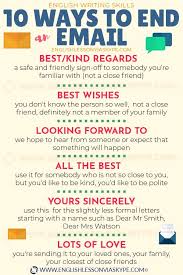
Are you struggling to finish a mail in English? Do you want to make a good impression on your recipients, but don’t know how to conclude the message effectively? Look no further! In this article, we will provide you with a comprehensive guide on how to conclude a mail in English, whether it’s formal or informal.
Why is Concluding a Mail Important?
Concluding a mail is an essential part of any email communication. It’s the last thing your recipient sees before closing their email client, and it can make all the difference in leaving a positive or negative impression. A well-crafted conclusion can:
- Leave a lasting impression on your recipients
- Reinforce your message and ensure it’s not forgotten
- Show appreciation for your recipients’ time and attention
Formal Conclusions
When writing a formal mail, it’s essential to use professional language and tone. Here are some examples of formal conclusions you can use:
1. Sincerely
This is one of the most common and effective ways to conclude a formal mail. It’s polite, respectful, and leaves a positive impression.
2. Yours Faithfully
Similar to “Sincerely,” this conclusion is also used in formal emails. It’s a bit more old-fashioned but still widely accepted.
3. Best Regards
This conclusion is a good alternative to the above two options. It’s friendly yet professional, making it suitable for most business emails.
Informal Conclusions
When writing an informal mail, you can use a more casual tone and language. Here are some examples of informal conclusions:
1. See You Soon
This is a great way to conclude an email if you’re meeting the recipient soon or want to schedule another meeting.
2. Take Care
This conclusion is perfect for emails where you want to show you care about the recipient’s well-being.
3. Thanks Again
If you’ve already expressed gratitude in the body of the mail, this conclusion is a great way to reiterate your appreciation.
Commercial Conclusions
When writing a commercial mail, it’s essential to use language that’s clear and concise. Here are some examples of commercial conclusions:
1. Please Let Us Know
If you want the recipient to take action or respond to your email, this conclusion is perfect for encouraging them to do so.
2. Appreciatively / With Appreciation
This conclusion is great for expressing gratitude without being too formal.
3. Cordially
If you’ve already had a conversation with the recipient via email, this conclusion can help leave a positive impression.
Presentations Conclusions
When presenting information to an audience, it’s essential to summarize the key points and conclusions effectively. Here are some examples of presentation conclusions:
1. In Conclusion
This is one of the most common ways to conclude a presentation. It leaves a clear summary of your main points and findings.
2. I Want to Leave You With This Final Thought
If you want to leave a lasting impression on your audience, this conclusion can help reinforce your key message.
How to Conclude a Mail in English (continued)
In addition to the conclusions mentioned above, here are some other tips to keep in mind when concluding a mail:
- Use a Clear And Concise Tone: Avoid using jargon or overly complex language that might confuse your recipient.
- Be Polite And Respectful: Always use polite language and avoid being too casual or informal.
- Leave a Lasting Impression: Make sure your conclusion leaves a positive impact on your recipient, whether it’s through gratitude, appreciation, or a call to action.
Conclusion
Concluding a mail in English can be challenging, but with the right knowledge and tools, you can create effective conclusions that leave a lasting impression on your recipients. Whether you’re writing a formal or informal mail, using professional language, or presenting information to an audience, these tips will help you conclude your message effectively.
Faqs
Here are some frequently asked questions about concluding a mail in English:
Q: What is The Best Way to Conclude a Formal Email?
A: The best way to conclude a formal email is to use a professional language and tone. Some examples of formal conclusions include “Sincerely,” “Yours Faithfully,” and “Best Regards.”
Q: Can I Use Informal Language in a Commercial Mail?
A: Yes, you can use informal language in a commercial mail, but make sure it’s clear and concise. Avoid using jargon or overly complex language that might confuse your recipient.
Q: How do I Conclude a Presentation Effectively?
A: To conclude a presentation effectively, summarize the key points and findings clearly and concisely. Use language that’s easy to understand and avoid being too formal or casual.
Q: Can I Use a Graphic Symbol in my Conclusion?
A: Yes, you can use a graphic symbol in your conclusion, but make sure it’s relevant and not distracting from the main message.
I hope this guide has been helpful! Do you have any questions about concluding a mail in English?


