
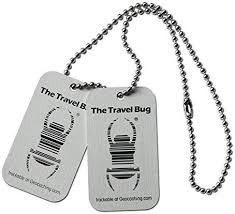
Unlocking The World of Geocaching: A Comprehensive Guide
Are you ready to embark on a thrilling adventure that combines technology, exploration, and creativity? Look no further than geocaching, a modern-day treasure hunt that’s been gaining popularity worldwide. In this article, we’ll delve into the world of geocaching, exploring its history, rules, and tips for creating your own unique mission.
What is Geocaching?
Geocaching is a recreational activity where players use GPS coordinates to find hidden containers called “geocaches” or “caches.” The concept is simple: A player, known as the “hider,” conceals a cache in a public place, records its GPS coordinates, and shares them online. Other players, or “seekers,” then use these coordinates to search for and retrieve the cache.
The Traditional System of Geocaching
In the traditional system, the hider assumes responsibility for concealing the cache, which typically contains a logbook and sometimes small trade items. The seeker, after finding the cache, signs the logbook and may take an item from the cache if they leave one in return. This exchange helps maintain the integrity of the game.
Creating a Geocaching Mission
To create your own geocaching mission, you’ll need to follow these essential steps:
- Choose a Location: Select a suitable location for your cache, ensuring it’s easily accessible and not prone to being disturbed.
- Conceal The Cache: Place the cache in the chosen location, taking care to avoid any potential hazards or restrictions.
- Record The Coordinates: Use a GPS device to record the exact coordinates of the cache.
- Create a Page For Your Geocache: Utilize online platforms like Geocaching.Com to create a page for your cache, including its description, coordinates, and other relevant details.
Tips For Creating a Successful Geocache
To make your geocache stand out, consider the following tips:
- Choose an Interesting Location: Select a spot with unique features or attractions that will entice players to search for your cache.
- Make it Challenging But Not Impossible: Design a cache that’s exciting to find but not frustratingly difficult.
- Be Mindful of Regulations: Ensure you’re aware of any local rules or restrictions that may affect your geocache.
- Incorporate Creative Elements: Add puzzles, riddles, or other interactive features to make your geocache more engaging.
Understanding Geocaching Terms
Familiarize yourself with common geocaching terminology:
- Hider: The person who conceals the cache.
- Seeker: The player searching for and retrieving the cache.
- Geocache: The hidden container, also known as a “cache.”
- Logbook: A record of players’ visits to the cache.
Beyond Traditional Geocaching
While traditional geocaching remains popular, other variants have emerged:
- Micro-caches: Small caches containing only a logbook.
- Puzzle Caches: Challenges that require problem-solving to find the cache.
- Multi-cache: A series of challenges or puzzles leading to the final cache.
- Event Cache: A geocaching event where players gather and participate in activities.
Geocaching Variants
Explore alternative platforms for geocaching:
- Terracaching: An online community offering innovative geocache experiences.
- Opencaching: An independent platform providing a range of geocaching features.
- Local Initiatives: Join local geocaching groups or events to discover new opportunities.
Conclusion
Geocaching offers a unique blend of adventure, technology, and creativity, making it an exciting hobby for those interested in exploring the outdoors. By understanding the basics, following best practices, and experimenting with innovative approaches, you can create your own memorable geocaching experience.
Frequently Asked Questions (FAQs)
- What is The Cost to Play Geocaching?
- Geocaching itself is free; however, some devices or platforms may require a subscription.
- How do I Get Started With Geocaching?
- Begin by reading this article and exploring online resources like Geocaching.Com.
- Can I Create my Own Geocache?
- Yes! Follow the steps outlined in this article to create your own unique geocache experience.
- What is The Typical Size of a Geocache?
- Caches can vary greatly, but most are small enough to be easily hidden and retrieved.
- Can I Take an Item From a Geocache?
- Yes, but it’s essential to leave something in its place to maintain the integrity of the game.
- How do I Report my Findings Online?
- Utilize platforms like Geocaching.Com or Terracaching to log your visits and share experiences with other players.
Final Tips
Remember, geocaching is a community-driven activity that encourages exploration, creativity, and social interaction. As you embark on this exciting adventure, don’t hesitate to ask questions, seek guidance from experienced players, and share your own stories and experiences with others. Happy caching!


