
The Art of Crafting a Perfect Email: A Comprehensive Guide
Are you struggling to write an email that will make a lasting impression on your recipient? Do you want to learn the secrets of crafting a well-structured and effective email that will get you noticed? Look no further! In this article, we will delve into the world of email writing and provide you with a comprehensive guide on how to craft a perfect email.
Understanding Your Audience
Before we dive into the nitty-gritty of email writing, it’s essential to understand your audience. Who are they? What are their interests? What do they want to hear from you? Taking the time to research and understand your audience will help you tailor your message and increase the chances of getting a positive response.
The Importance of Tone
Tone is everything when it comes to email writing. You need to strike the right balance between being formal and informal, without coming across as too casual or unprofessional. Remember, tone is contagious, and if you convey confidence and enthusiasm in your email, it will be more likely to engage and inspire your reader.
The Structure of a Perfect Email
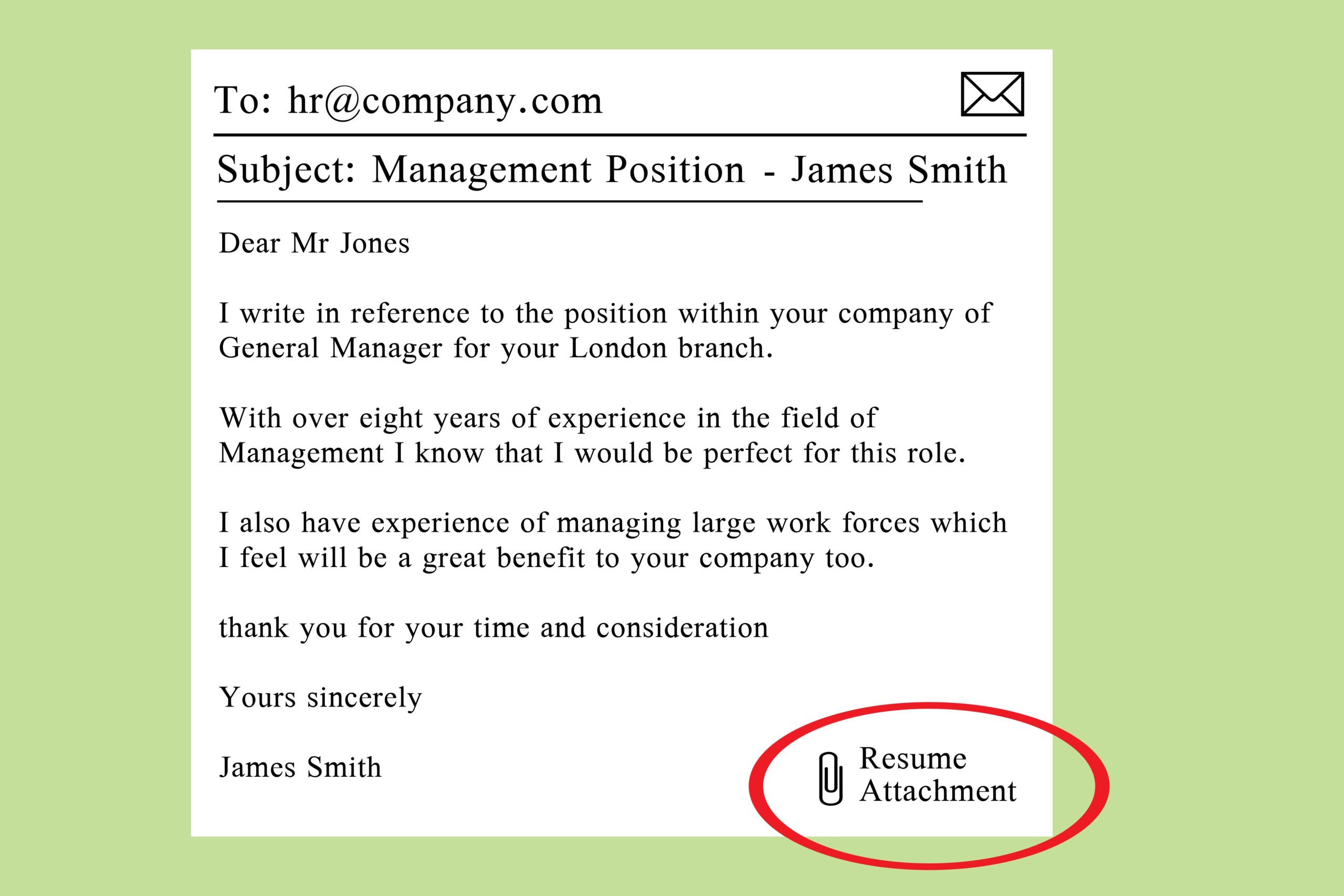
So, what makes up a perfect email? Here are the essential components:
- Clear Object: Your email should have a clear purpose or objective. This could be to inquire about something, request information, or ask for feedback.
- Good Greeting: Start with a formal greeting that sets the tone for the rest of your email. Avoid using overly casual greetings like “Hey” or “Hi.”
- Introduction: Clearly state why you’re writing and what you want to achieve from the email. Keep it concise and to the point.
- Body: This is where you’ll provide more details about your request or inquiry. Make sure to keep it brief and easy to read.
- Contacts And Final Greetings: End with a professional closing, including your contact information.
The Key to Writing a Compelling Email
So, what sets apart an effective email from one that falls flat? Here are some key tips:
- Use Clear Language: Avoid using jargon or technical terms that might confuse your reader.
- Be Concise: Keep your email brief and to the point. No one likes reading a long, rambling message.
- Use Active Voice: Using active voice makes your writing more engaging and easier to read.
Writing an Email in English
If you’re not a native English speaker, don’t worry! Writing an email in English is just as effective as writing one in Italian. Here are some tips:
- Practice Your Grammar: Make sure to practice your grammar and vocabulary before attempting to write an email.
- Use Online Resources: There are many online resources available that can help you improve your English skills, including grammar guides and language learning apps.
- Get Feedback: Don’t be afraid to ask for feedback from native English speakers or tutors.
Conclusion
Writing a perfect email is not rocket science! By following the tips outlined in this article, you’ll be well on your way to crafting an effective email that will engage and inspire your reader. Remember to keep it clear, concise, and professional, and don’t forget to proofread before hitting send. Happy writing!
Frequently Asked Questions (FAQs)
Here are some frequently asked questions about writing a perfect email:
Q: What is the most important aspect of an email?
A: The most important aspect of an email is the clear object or purpose.
Q: How can I ensure my email is engaging and inspiring?
A: To ensure your email is engaging and inspiring, use clear language, be concise, and use active voice.
Q: Can I write an email in English if I’m not a native speaker?
A: Yes, you can write an email in English even if you’re not a native speaker. Just practice your grammar and vocabulary, and don’t be afraid to ask for feedback.
Q: How can I improve my English skills?
A: To improve your English skills, practice your grammar and vocabulary, use online resources, and get feedback from native speakers or tutors.
Q: What is the key to writing a compelling email?
A: The key to writing a compelling email is using clear language, being concise, and using active voice.


