
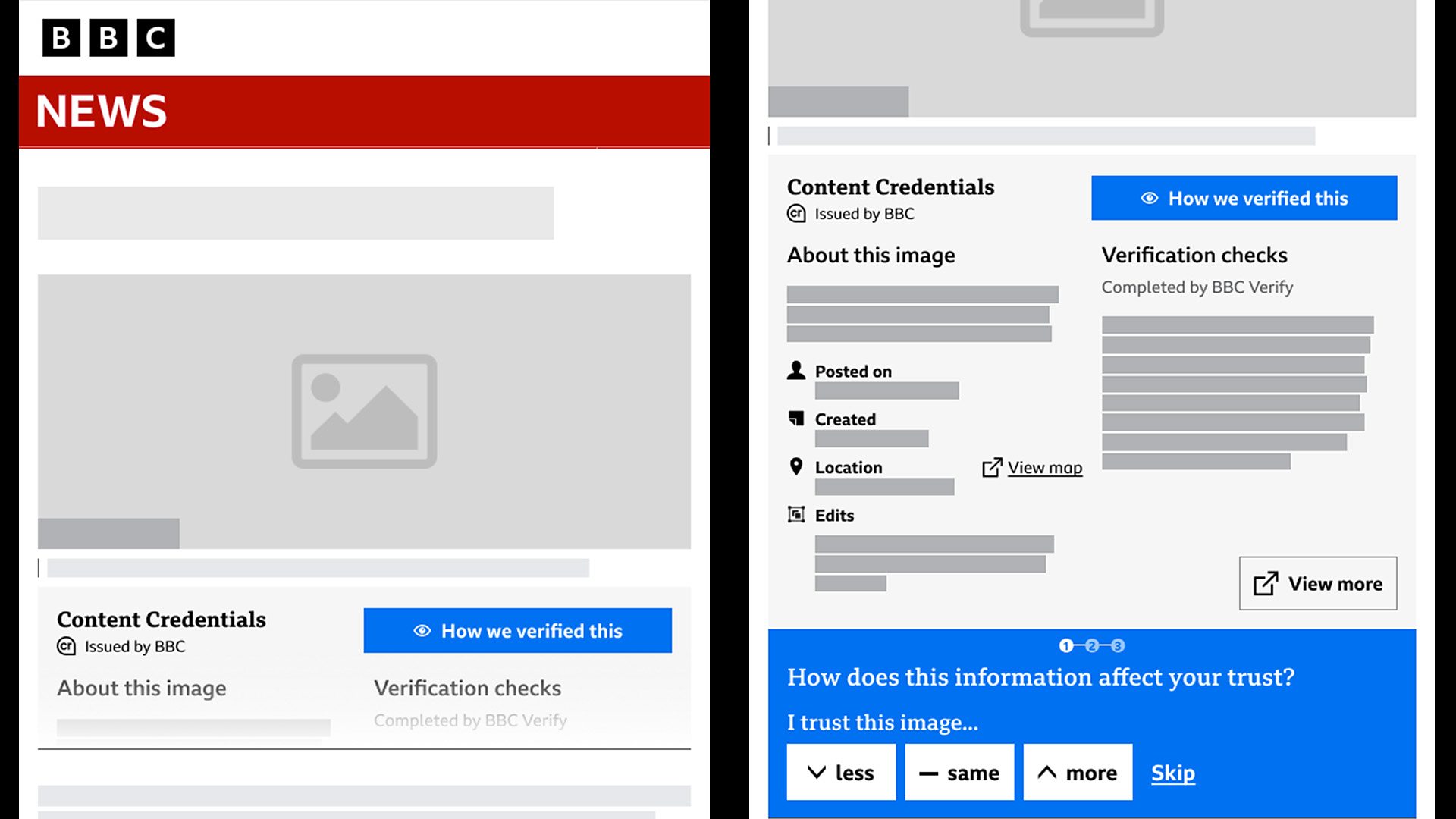
The Art of Checking News: A Guide to Verifying Facts
In today’s world, it’s more important than ever to be critical consumers of information. With the rise of fake news and disinformation, it’s easy to get caught up in sensational headlines and unverified claims. But how do you know what’s true and what’s not? In this guide, we’ll walk you through the steps to check a news story and ensure that it’s accurate.
Why Checking News is Important
Before we dive into the process, let’s talk about why checking news is crucial. With so much information available at our fingertips, it’s easy to spread false or misleading information without even realizing it. This can have serious consequences, from influencing elections to spreading misinformation about health and safety issues.
Step 1: Verify The Source
The first step in checking a news story is to verify the source. Who reported the news? Is it a reputable publication or website? Has the news been picked up by other reliable sources?
- Check The Original Source: Go straight to the horse’s mouth and check the original report. Look for any corroboration from other credible sources.
- Evaluate The Credibility of The Source: Consider the reputation and bias of the publication or website. Are they known for their accuracy and fairness?
Step 2: Check The Tone And Voice
Pay attention to the tone and voice used in the article. Is it sensationalized or alarmist? Does it appeal to emotions rather than reason?
- Watch Out For Emotional Appeals: News that aims to elicit an emotional response rather than a rational one may be more likely to be false.
- Be Cautious of Biased Language: If the language is loaded with emotive words or phrases, it may indicate a bias towards a particular agenda.
Step 3: Check Secondary Sources
Once you’ve verified the original source, check secondary sources. These can include reputable news outlets, fact-checking websites, and academic journals.
- Look For Corroboration: If multiple sources report similar information, it’s more likely to be true.
- Check For Inconsistencies: If there are discrepancies between reports, investigate further to understand what might have caused the differences.
Step 4: Check Images And Video
Visual content can be misleading or manipulated. Be sure to check images and video against other credible sources.
- Use Reverse Image Search Tools: Tools like Google Images or TinyEye can help you track down where an image has been used before.
- Check For Inconsistencies in Video Footage: If the same video is being reported as evidence by multiple sources, verify its authenticity.
Step 5: Have a Critical Eye
Don’t take everything at face value. Consider the context and potential biases of the information.
- Be Aware of Conspiracy Theories: Don’t jump to conclusions or spread misinformation based on unverified claims.
- Use Critical Thinking Skills: Think carefully about what you’ve read and consider alternative explanations.
Step 6: Check Social Media
Social media can be a breeding ground for false news. Approach social media posts with caution, especially if they’re coming from unknown profiles or influencers.
- Verify Information on Social Media: Don’t share news without checking its accuracy first.
- Be Cautious of Fake Profiles And Influencers: These may be used to spread propaganda or misinformation.
Conclusion
Checking the veracity of a news story is an important skill in today’s digital age. By verifying sources, evaluating tone and voice, checking secondary sources, and having a critical eye, you can ensure that the information you consume is accurate and trustworthy. Remember, a healthy dose of skepticism and critical thinking can save us from spreading misinformation and promote informed decision-making.
Frequently Asked Questions
- What Should I do if I’m Not Sure About a News Story?
Take your time to verify the information through reputable sources before sharing or acting on it. - How Can I Stay Up-to-date With Fact-checking Websites?
Follow reliable fact-checking organizations like Snopes, FactCheck.Org, and PolitiFact on social media for updates. - What Are Some Red Flags When Checking a News Story?
Watch out for sensationalized headlines, biased language, and unverified claims. - Can I Trust Online Images And Video Footage?
Use reverse image search tools to verify the authenticity of visual content. - How Can I Promote Media Literacy in my Community?
Educate yourself and others about critical thinking and fact-checking techniques. - What Role do Social Media Platforms Play in Spreading False News?
Social media companies have a responsibility to combat misinformation by promoting accurate information and taking down fake profiles and content. - How Can I Stay Safe Online When Checking News Stories?
Avoid engaging with suspicious or unverified sources, and never share personal data or sensitive information based on unconfirmed reports.


