
The Ultimate Guide to Connecting Cable Tv: A Step-by-step Tutorial
Are you tired of dealing with the hassle of cable TV cables? Do you want to extend your cable TV experience without breaking the bank or hiring a professional? Look no further! In this article, we will guide you through the process of connecting cable TV using two different technical methods: The first method involves joining two separate cables using adapters, while the second method requires manual connection.
Method 1: Joining Two Cables With Adapters
The first and most straightforward method to join two cables is by using adapters. This approach is ideal for those who are not comfortable with manual connections or have limited technical expertise. To accomplish this task, you will need:
- Two F-type connectors (male)
- A female-female adapter
- Insulating tape
Step 1: Prepare The Cables
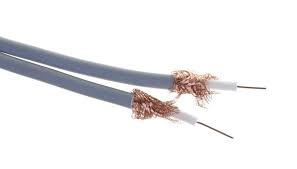
Take both cables and remove their protective coverings using a cable cutter or a utility knife. Be careful not to damage the inner wires.
Step 2: Connect The Adapters
Insert one F-type connector into the female-female adapter, followed by inserting the second connector into the other end of the adapter.
Step 3: Insulate And Secure
Wrap insulating tape around the connectors to prevent any accidental disconnections. Ensure that the tape is snug but not too tight, which might cause damage to the cables.
Method 2: Manual Connection
If you’re feeling adventurous or prefer a more hands-on approach, you can try manual connection. This method requires some technical expertise and patience, but it’s an effective way to extend your cable TV experience.
Materials Needed:
- A cable with F-type connectors
- Insulating tape
- Cable cutters
- Pliers (optional)
Step 1: Prepare The Cables
Remove the protective coverings from both cables using a cable cutter or a utility knife. Be cautious not to damage the inner wires.
Step 2: Cut And Strip The Cables
Cut the cables to the desired length, leaving enough room for connection. Use pliers (if necessary) to strip about 1-2 inches of insulation from each end of the cables.
Step 3: Connect The Cables
Twist the exposed copper wires together to create a solid connection. Be careful not to twist them in opposite directions, which might cause signal loss or damage.
Step 4: Secure And Insulate
Wrap insulating tape around the connected cables to prevent any accidental disconnections. Ensure that the tape is snug but not too tight, which might cause damage to the cables.
Tips And Precautions:
- When working with electrical connections, always prioritize your safety.
- Use high-quality adapters or connectors to ensure a reliable connection.
- Be gentle when handling cables to avoid damaging the inner wires or connectors.
- If you’re unsure about any step of the process, consider consulting a professional or seeking guidance from online resources.
Conclusion:
Connecting cable TV is a straightforward and cost-effective way to extend your cable TV experience. By following these simple steps, you can enjoy uninterrupted viewing without breaking the bank or hiring a professional. Remember to take necessary precautions and use high-quality materials to ensure a reliable connection. Happy watching!
Frequently Asked Questions (FAQs):
-
What Are The Benefits of Connecting Cable Tv?
Connecting cable TV allows you to extend your viewing experience without the need for additional cables or equipment. -
Which Method is More Suitable For Beginners?
The first method, using adapters, is ideal for those who are not comfortable with manual connections or have limited technical expertise. -
What Materials do I Need For Manual Connection?
You’ll require a cable with F-type connectors, insulating tape, cable cutters, and (optional) pliers. -
How Can I Prevent Signal Loss or Damage During Manual Connection?
Twist the exposed copper wires together carefully to create a solid connection, and be gentle when handling cables to avoid damaging the inner wires or connectors. -
What if I’m Unsure About Any Step of The Process?
Consult a professional or seek guidance from online resources for further assistance. -
Are There Any Potential Risks Associated With Manual Connection?
Yes, improper connections can lead to signal loss, damage, or electrical shock. Always prioritize your safety and take necessary precautions. -
Can I Use Connecting Cable TV With my Existing Equipment?
Connecting cable TV is compatible with most standard cable TV setups. However, consult your user manual or seek guidance from a professional before attempting any modifications. -
Can I Use This Method For Satellite or Internet Connections?
While this guide focuses on standard cable TV setups, you may be able to adapt these techniques for other types of connections. However, consult your user manual or seek guidance from a professional before attempting any modifications. -
What Are The Differences Between Connecting Cable TV And Using Adapters Vs. Manual Connection?
The first method involves joining two cables using adapters, which is quick and easy but may not be as reliable in the long run. The second method requires more technical expertise and patience but can offer a more reliable connection.


