How to Detect if Your Iphone Has a Virus: A Comprehensive Guide
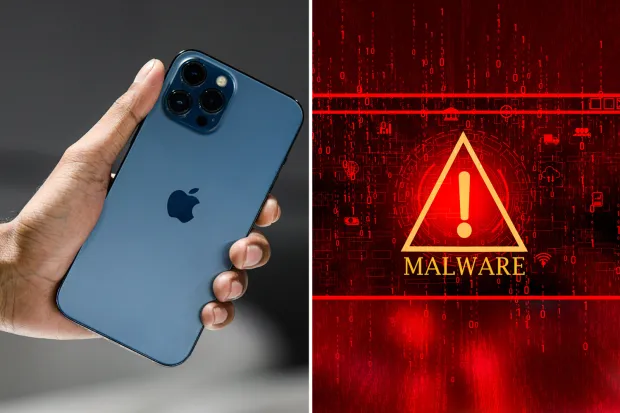
As we increasingly rely on our smartphones for daily activities, the risk of falling victim to cyber threats also grows. With over 1 billion iPhones in use worldwide, it’s essential to know how to detect and protect your device from malware and viruses. In this article, we’ll explore the steps you can take to ensure your iPhone is secure and free from any malicious activity.
Understanding Ios And Its Security Features
Before diving into the detection process, let’s first understand why iPhones are considered relatively safe from viruses. Apple’s closed ecosystem and strict app review process make it difficult for malware to spread on iOS devices. However, no system is completely immune to cyber threats, and it’s still possible for your iPhone to be compromised.
What Are Malware And Viruses?
Malware and viruses are software programs designed to harm or exploit a computer system. They can steal sensitive data, disrupt device functionality, or even take control of the phone remotely. Malware can be spread through various means, including downloading infected apps, clicking on suspicious links, or using unsecured public Wi-Fi networks.
Verifying Jailbreak on Iphone
The first step in detecting if your iPhone has a virus is to check if it’s been jailbroken. A jailbroken device allows users to install third-party apps not available through the App Store, but this also increases the risk of malware infections. To verify if your iPhone is jailbroken:
- Look for Cydia icon on the home screen. If you find it, your iPhone has likely been jailbroken.
- Check the Settings app and go to General > VPN and Device Management. If you see a profile that doesn’t belong to Apple, it could be a sign of malware.
Identifying Suspicious Apps
Another way to detect if your iPhone has a virus is to look for suspicious apps. These can include:
- Apps that request unnecessary permissions or access sensitive data.
- Apps with poor reviews or ratings.
- Apps that behave strangely or consume excessive resources.
To identify and remove suspicious apps, follow these steps:
- Check the app’s permissions and reviews on the App Store.
- Uninstall any apps you’re unsure about.
- Keep an eye on your device’s performance and battery life.
Verifying Vpn Profiles
Virtual Private Networks (VPNs) can be a useful tool for securing online activity, but they can also be used to spread malware. To check if your iPhone has been compromised through a VPN profile:
- Open the Settings app and go to General > VPN and Device Management.
- Select the suspicious VPN profile and delete it.
Monitoring Data Consumption
Malware can consume excessive cellular data, causing unusual spikes in usage. To monitor your data consumption:
- Check the Settings app and go to Cellular.
- Look for any unusual activity or spikes in data usage.
Checking Battery Life
Malware can also cause battery drain by consuming excessive resources. To check if malware is affecting your iPhone’s battery life:
- Open the Settings app and go to Battery.
- Monitor your device’s battery life and look for any unusual patterns.
Protecting Your Iphone From Viruses
To keep your iPhone secure, follow these best practices:
- Only download apps from the App Store.
- Keep iOS up-to-date with the latest security patches.
- Avoid jailbreaking or installing third-party apps not approved by Apple.
- Use strong passwords and enable two-factor authentication.
- Monitor your device’s performance and battery life regularly.
Conclusion
In conclusion, while iPhones are considered relatively safe from viruses, it’s still essential to take precautions to protect your device. By following the steps outlined in this guide, you can detect if your iPhone has a virus and take necessary actions to secure your device. Remember to always be cautious when downloading apps, using public Wi-Fi networks, or engaging with suspicious links.
Frequently Asked Questions
- Q: Can I Remove a Jailbroken Profile?
A: Yes, you can delete the jailbroken profile by going to Settings > General > VPN and Device Management. - Q: How do I Identify Suspicious Apps?
A: Look for apps with poor reviews, excessive permissions, or unusual behavior. - Q: Can Malware Drain my Iphone’s Battery?
A: Yes, malware can consume excessive resources, causing battery drain. - Q: How Often Should I Update Ios?
A: Update iOS regularly to ensure you have the latest security patches and features. - Q: What Are Some Common Signs of Malware on an Iphone?
A: Look for unusual app behavior, excessive data consumption, or suspicious activity on your device. - Q: Can I Use a Vpn on my Iphone?
A: Yes, but be cautious when selecting a VPN provider and ensure you’re using a reputable one. - Q: How do I Monitor my Iphone’s Data Consumption?
A: Go to Settings > Cellular and check for any unusual activity or spikes in data usage. - Q: What Are Some Best Practices For Securing my Iphone?
A: Only download apps from the App Store, keep iOS up-to-date, avoid jailbreaking, and use strong passwords with two-factor authentication.
Was This Helpful? Share Your Thoughts
As we continue to rely on our smartphones for daily activities, it’s essential to stay informed about potential cyber threats. By following the steps outlined in this guide, you can protect your iPhone from malware and viruses. Remember to always be cautious when engaging with online activity, and take necessary precautions to secure your device.
Get in Touch
Feel free to reach out to us with any questions or concerns about this article. Our team is always ready to help you stay informed and secure online.
Helpful Resources: