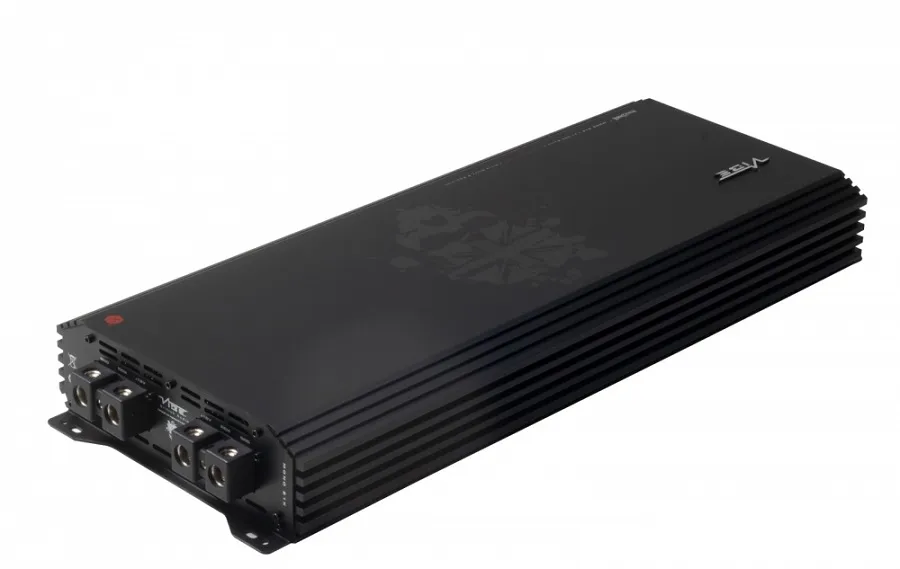
The Ultimate Guide to Choosing The Best Amplifier: A Comprehensive Review
Are you in the market for a new amplifier, but don’t know where to start? Look no further! In this article, we’ll provide you with a comprehensive guide to choosing the best amplifier for your needs.
What is an Amplifier?
An amplifier is a device that takes an audio signal and increases its power and volume. It’s an essential component in any home or car stereo system, as it helps to produce high-quality sound.
Types of Amplifiers
There are several types of amplifiers available on the market, including:
- Stereo Amplifiers: These amplify two separate channels (left and right) for a true surround sound experience.
- Monoblock Amplifiers: These amplify a single channel, often used in high-end car stereo systems.
- Class D Amplifiers: These use digital technology to produce a clean and efficient audio signal.
Key Features to Consider
When choosing an amplifier, there are several key features to consider:
- Power Output: The amount of power the amplifier can deliver to your speakers.
- Frequency Response: The range of frequencies the amplifier can reproduce (measured in Hz).
- Signal-to-noise Ratio (SNR): A measure of how much noise is present in the audio signal.
- Total Harmonic Distortion (THD): A measure of how much distortion is present in the audio signal.
Best Amplifiers on The Market
Based on our research, here are some of the best amplifiers on the market:
- Etlephe 298A: A high-quality amplifier with a power output of up to 600W.
- Donner Mamp5: A powerful and feature-rich amplifier with a power output of up to 440W.
- Sony Xm-n1004: A high-end amplifier with a power output of up to 1000W.
What to Look For in an Amplifier
When choosing an amplifier, here are some things to look for:
- Compatibility: Make sure the amplifier is compatible with your speakers and other audio equipment.
- Power Output: Choose an amplifier that can deliver enough power to drive your speakers.
- Frequency Response: Opt for an amplifier that can reproduce a wide range of frequencies (measured in Hz).
- Signal-to-noise Ratio (SNR): Look for an amplifier with a high SNR rating.
- Total Harmonic Distortion (THD): Choose an amplifier with a low THD rating.
Conclusion
Choosing the best amplifier can be a daunting task, but by considering your needs and doing some research, you can find the perfect amplifier for your home or car stereo system. Remember to look for compatibility, power output, frequency response, SNR, and THD ratings when making your decision.
Frequently Asked Questions (FAQs)
- What is The Difference Between a Stereo Amplifier And a Monoblock Amplifier?
A stereo amplifier amplifies two separate channels (left and right), while a monoblock amplifier amplifies a single channel.
- What is Class D Technology, And How Does it Affect Audio Quality?
Class D technology uses digital signals to produce a clean and efficient audio signal. This results in a higher-quality audio signal with less distortion.
- How do I Choose The Right Amplifier For my Car Stereo System?
Consider your car’s make and model, as well as the type of speakers you have installed. Look for an amplifier that is compatible with your speakers and can deliver enough power to drive them.
- What is The Importance of Snr And Thd Ratings in an Amplifier?
A high SNR rating indicates a clean and noise-free audio signal, while a low THD rating indicates minimal distortion.
- Can I Use Any Type of Speaker With my New Amplifier?
No, you should choose speakers that are compatible with your amplifier’s power output and frequency response.
- How Often Should I Replace my Amplifier?
Amplifiers can last for many years if properly maintained. However, if you notice a decline in audio quality or increased distortion, it may be time to consider replacing your amplifier.
- Can I Use an Amplifier With a Bluetooth Connection?
Yes, many amplifiers come equipped with Bluetooth connectivity, allowing you to stream music from your phone or other device directly to the speakers.
- What is The Benefit of Using a Class D Amplifier in my Car Stereo System?
Class D amplifiers are energy-efficient and produce minimal heat, making them ideal for use in cars where space is limited.