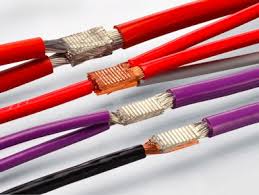
How to Join Electrical Cables: A Practical Guide
Are you tired of dealing with electrical cables that have stopped functioning? Do you need a temporary solution until you can get a new one? Look no further! In this article, we will show you how to join electrical cables using simple and accessible methods.
Materials And Instruments Needed
Before starting, it’s essential to gather the necessary materials and instruments. The most helpful instrument is surely electrician’s scissors, which can be used to cut the electrical cables. If you don’t have access to electrician’s scissors, you can also use a splicing clip.
How to Join Electrical Cables With Insulating Tape
One of the simplest ways to join two electrical cables is by using insulating tape. This method is not professional but works well as a temporary solution.
- Cut The Cables: Use electrician’s scissors or a splicing clip to cut the cables, making sure to leave around 3 cm of cable exposed.
- Twist The Cables Together: Hold the two cables together and twist them in a spiral motion, creating a knot-like structure.
- Wrap Insulating Tape Around The Joined Cables: Wrap insulating tape around the joined cables, making sure it’s tightened well.
- Test The Connection: Use a digital tester (multimeter) to check if the current flows correctly through the joined cable.
How to Join Electrical Cables With Connectors
Another professional solution is using connectors. This method is more complex but effective.
- Cut The Cables: Cut the cables, leaving around 3 cm exposed.
- Twist The Cables Together: Twist the two cables together, creating a single cable.
- Insert The Cables Into The Connector: Insert the cut cables into the connector, making sure they’re aligned correctly.
- Tighten The Connector: Use a screwdriver to tighten the connectors.
How to Join Three Electrical Cables
If you have three electrical cables of different colors, joining them can be more challenging. However, with the right approach, it’s still possible.
- Cut All Three Cables: Cut all three cables, making sure they’re not too close together.
- Twist Each Cable Separately And Then Join Them Together: Twist each cable separately and then join them together.
- Wrap The Joined Cables With Insulating Tape: Wrap insulating tape around the joined cables, ensuring it’s tightened well.
Understanding Electrical Diagram Colors
Understanding the colors used in electrical diagrams is essential for safe connections. Here are some general guidelines:
- Single-phase systems use three colors:
- Brown (or red or black): Phase
- Blue: Neutral
- Green/Yellow: Earth
- Continuous current systems use two colors:
- Black (sometimes red or brown): Phase
- Blue: Neutral
Important Safety Tips
When working with electrical cables, safety should be your top priority. Make sure to:
- Disconnect the power supply before starting any work.
- Use protective gear, such as gloves and safety glasses.
- Follow local regulations and guidelines for electrical work.
Conclusion
Joining electrical cables can seem daunting, but with the right knowledge and materials, it’s a task that can be accomplished safely and effectively. Remember to prioritize your safety and take necessary precautions when working with electricity.
Frequently Asked Questions (FAQs)
- What is The Difference Between Joining And Connecting?
Joining refers to joining two or more cables together, while connecting refers to connecting a device to an electrical system. - Can I Use Any Type of Cable to Join Electrical Cables?
No, not all cables are suitable for joining electrical cables. Make sure to use the correct type and gauge of cable for your specific application. - How do I Know if my Joined Cable is Working Correctly?
Use a digital tester (multimeter) to check if the current flows correctly through the joined cable. - What Happens if I Reverse The Phase And Neutral Cables?
Reversing the phase and neutral cables can cause harm or even catastrophic damage to your electrical system. - Can I Use a Connector to Join Three Cables?
Yes, you can use a connector to join three cables, but make sure they’re of the same type and gauge. - What is The Purpose of Using Insulating Tape When Joining Cables?
Insulating tape helps protect the joined cable from moisture and other environmental factors that could cause damage or malfunction. - Why is it Essential to Disconnect The Power Supply Before Starting Any Work on Electrical Cables?
Disconnecting the power supply ensures your safety while working with electricity, preventing potential shocks or other hazards.