How to Become a Content Creator: A Step-by-step Guide
Are you passionate about creating content that resonates with a vast audience? Do you want to transform your creativity into a successful career? Look no further! In this article, we will guide you through the process of becoming a content creator, highlighting essential tips and strategies for success.
Understanding The Role of Content Creation
Content creation has become an integral part of modern marketing. It involves creating engaging, informative, or entertaining content to attract and retain a target audience. As a content creator, your primary goal is to produce high-quality content that resonates with your audience and sets you apart from others in your niche.
Key Skills For Content Creators
To succeed as a content creator, you need to possess several essential skills:
- Creativity: Develop innovative ideas that captivate your audience.
- Visual Storytelling: Create visually appealing content that tells a story.
- Communication: Effectively convey your message to your target audience.
- Time Management: Plan and manage your content creation process efficiently.
- Analytical Skills: Monitor your performance, analyze data, and adjust your strategy accordingly.
Finding Your Niche
The first step in becoming a successful content creator is to identify your niche. This refers to the area of interest or expertise that you can create content around. Consider what you’re passionate about, what you’re knowledgeable in, and where you can add value to others.
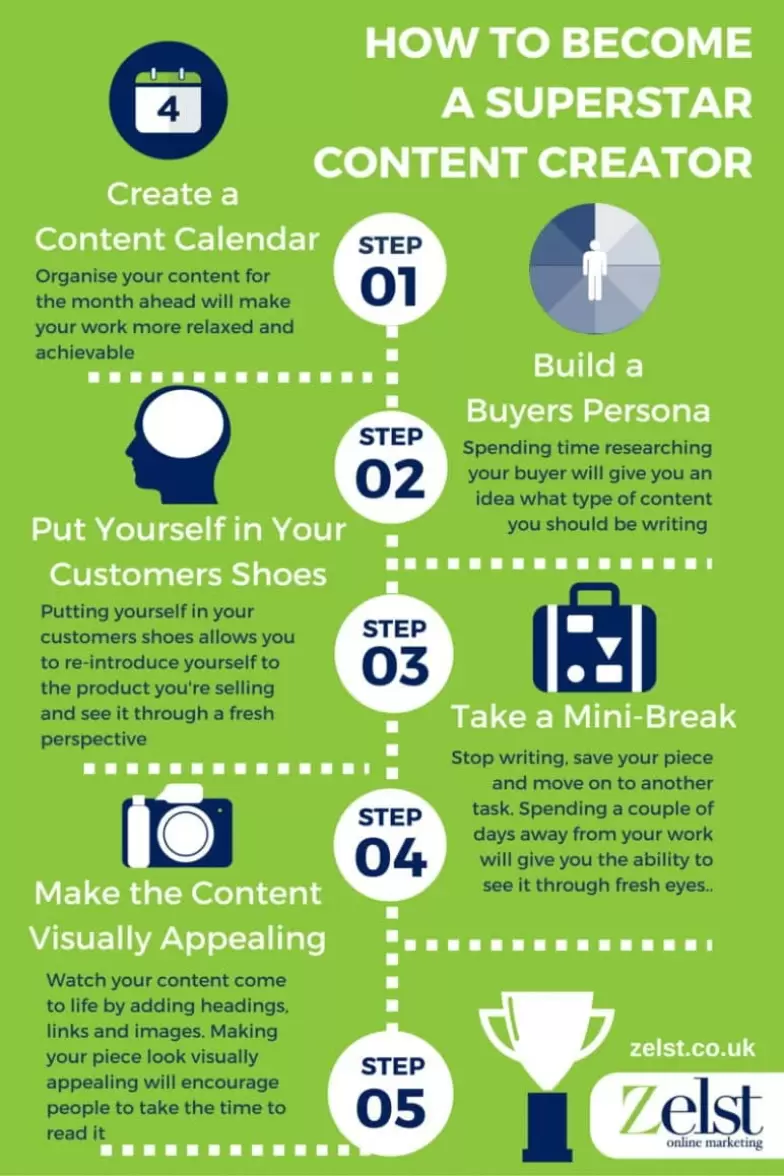
Creating a Content Calendar
A content calendar helps you plan and organize your content creation process. It involves:
- Identifying Topics: Determine the themes or topics you want to cover.
- Scheduling Content: Plan when and how often you’ll publish new content.
- Choosing Formats: Select the best format for each topic, such as blog posts, videos, or social media updates.
Engaging With Your Audience
Interacting with your audience is crucial for building a loyal following:
- Respond to Comments: Engage with your viewers and respond to their comments and questions.
- Host Live Sessions: Organize live Q&A sessions, webinars, or workshops to connect with your audience.
- Collaborate With Influencers: Partner with other content creators in your niche to reach a broader audience.
Collaborating With Other Content Creators
Collaborating with other content creators can help you:
- Reach a Wider Audience: Partner with influencers or content creators who have a larger following.
- Gain Exposure: Collaborate on projects that showcase your skills and expertise.
- Build Relationships: Develop professional connections within your niche.
Choosing The Right Platforms
Each social media platform has its unique features and audience:
- Instagram: Focus on visual storytelling, influencer partnerships, and sponsored content.
- Tiktok: Leverage short-form videos, humor, and creative formats to engage with a younger audience.
- Onlyfans: Monetize exclusive, intimate content through subscriptions and tips.
Tips For Success on Each Platform
- Instagram:
- Share high-quality visuals that resonate with your niche.
- Utilize hashtags strategically to reach a broader audience.
- Collaborate with influencers or other creators in your niche.
- Tiktok:
- Develop innovative, attention-grabbing content using short-form videos.
- Leverage humor and creative formats to engage with a younger audience.
- Participate in viral challenges and trends to increase visibility.
- Onlyfans:
- Create exclusive, intimate content that resonates with your audience.
- Utilize paid subscriptions and tips to monetize your content.
- Interact with your followers through live sessions and direct messages.
Conclusion
Becoming a successful content creator requires dedication, creativity, and persistence. By following these essential tips and strategies, you can establish yourself as a reputable content creator in your niche:
- Identify Your Niche: Determine the area of expertise that resonates with your audience.
- Develop Key Skills: Cultivate creativity, visual storytelling, communication, time management, and analytical skills.
- Create Engaging Content: Develop high-quality content that captivates your target audience.
- Engage With Your Audience: Respond to comments, host live sessions, and collaborate with influencers to build a loyal following.
Frequently Asked Questions (FAQs)
- Q: What is The Role of Content Creation in Modern Marketing?
A: Content creation involves creating engaging, informative, or entertaining content to attract and retain a target audience. - Q: What Are The Essential Skills For Content Creators?
A: Creativity, visual storytelling, communication, time management, and analytical skills are crucial for success as a content creator. - Q: How do I Find my Niche as a Content Creator?
A: Identify your area of expertise or passion that resonates with your target audience. - Q: What is The Significance of Creating a Content Calendar?
A: A content calendar helps you plan and organize your content creation process, ensuring consistency and efficiency. - Q: How do I Engage With my Audience as a Content Creator?
A: Respond to comments, host live sessions, and collaborate with influencers to build a loyal following. - Q: What Are The Benefits of Collaborating With Other Content Creators?
A: Collaborating with other content creators can help you reach a wider audience, gain exposure, and build professional connections within your niche. - Q: How do I Choose The Right Platforms For my Content Creation?
A: Select platforms that align with your niche, target audience, and content style (e.G., Instagram, TikTok, OnlyFans). - Q: What Are Some Tips For Success on Each Platform?
A: Utilize specific features and strategies unique to each platform (see the platform-specific tips above).