The Ultimate Guide to Power Banks: How They Function And What You Need to Know
As we increasingly rely on our smartphones, tablets, and other devices, it’s essential to have a reliable way to keep them charged. That’s where power banks come in – portable external batteries that can charge your devices on the go. In this article, we’ll delve into the world of power banks, exploring their functionality, characteristics, and what you need to know before making a purchase.
What is a Power Bank?
A power bank is essentially an external battery designed to charge your electronic devices when there’s no available power outlet nearby. It’s a convenient solution for those who are always on the move, whether it’s for work, travel, or leisure activities.
How Do Power Banks Function?
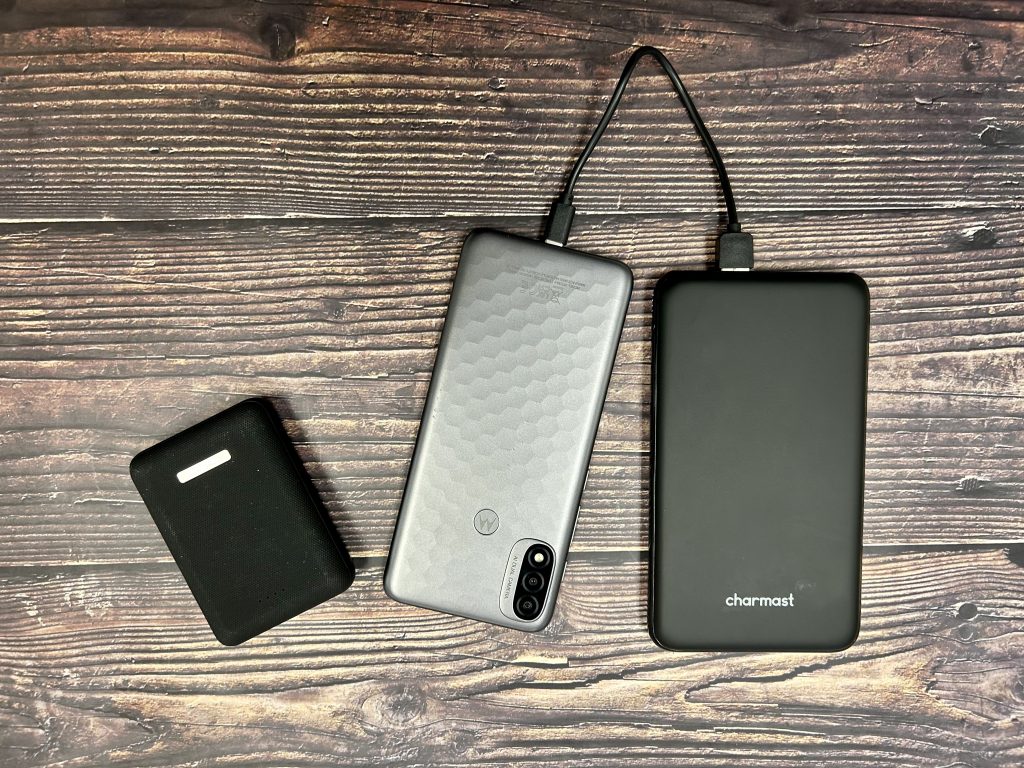
Power banks function by storing electrical energy in a rechargeable battery, which is then used to charge your device(s) via USB ports. The process is simple:
- Connect your device(s) to the power bank using a USB cable.
- The power bank’s built-in charger converts AC power from an external source (e.G., A wall adapter or USB port) into DC power, which is then stored in the battery.
- When you connect your device(s) to the power bank, the stored energy is transferred to them via the USB ports.
Characteristics of Power Banks
When selecting a power bank, consider the following characteristics:
- Capacity: Measured in milliampere-hours (mAh), this indicates how much energy the battery can store.
- Ports: Check if the power bank has multiple USB ports to charge multiple devices at once.
- Voltage And Current: Ensure the power bank’s output matches your device’s requirements.
- Weight And Size: Consider a compact design for easy portability.
- Safety Features: Look for built-in protection against overcharging, overheating, and short circuits.
Types of Power Banks
There are several types of power banks available:
- Standard Power Banks: These offer a standard capacity and charging speed.
- Wireless Power Banks: Use magnetic or inductive charging technology to charge devices wirelessly.
- Solar Power Banks: Harness solar energy to recharge the battery.
- High-speed Power Banks: Utilize advanced technologies like QuickCharge or PowerDelivery for faster charging.
How to Choose a Power Bank
To select the best power bank for your needs:
- Determine your device’s requirements (capacity, voltage, and current).
- Consider the number of devices you need to charge simultaneously.
- Check reviews and ratings from other users.
- Evaluate the price-to-performance ratio.
Power Banks on Amazon
Some popular power banks available on Amazon include:
- INIU Power Bank 10000mAh
- Charmast Power Bank 10400mAh
- Anker Power Bank with MagSafe 622
Frequently Asked Questions (FAQs)
Q: How long does it take to fully charge a power bank?
A: The charging time varies depending on the capacity and type of power bank.
Q: Can I use a power bank to charge multiple devices at once?
A: Yes, many power banks have multiple USB ports for simultaneous charging.
Q: Are power banks safe to use?
A: Generally yes, but always follow safety guidelines and manufacturer instructions.
Q: How do I know if my device is compatible with a power bank?
A: Check the device’s specifications or consult with the manufacturer.
Q: Can I recharge a power bank using solar energy?
A: Some power banks come with built-in solar panels for sustainable recharging.
Conclusion
Power banks are an essential accessory for anyone who relies on electronic devices. By understanding their functionality, characteristics, and types, you can make informed decisions when selecting the right power bank for your needs. Remember to always follow safety guidelines and manufacturer instructions to ensure a safe and reliable experience.