
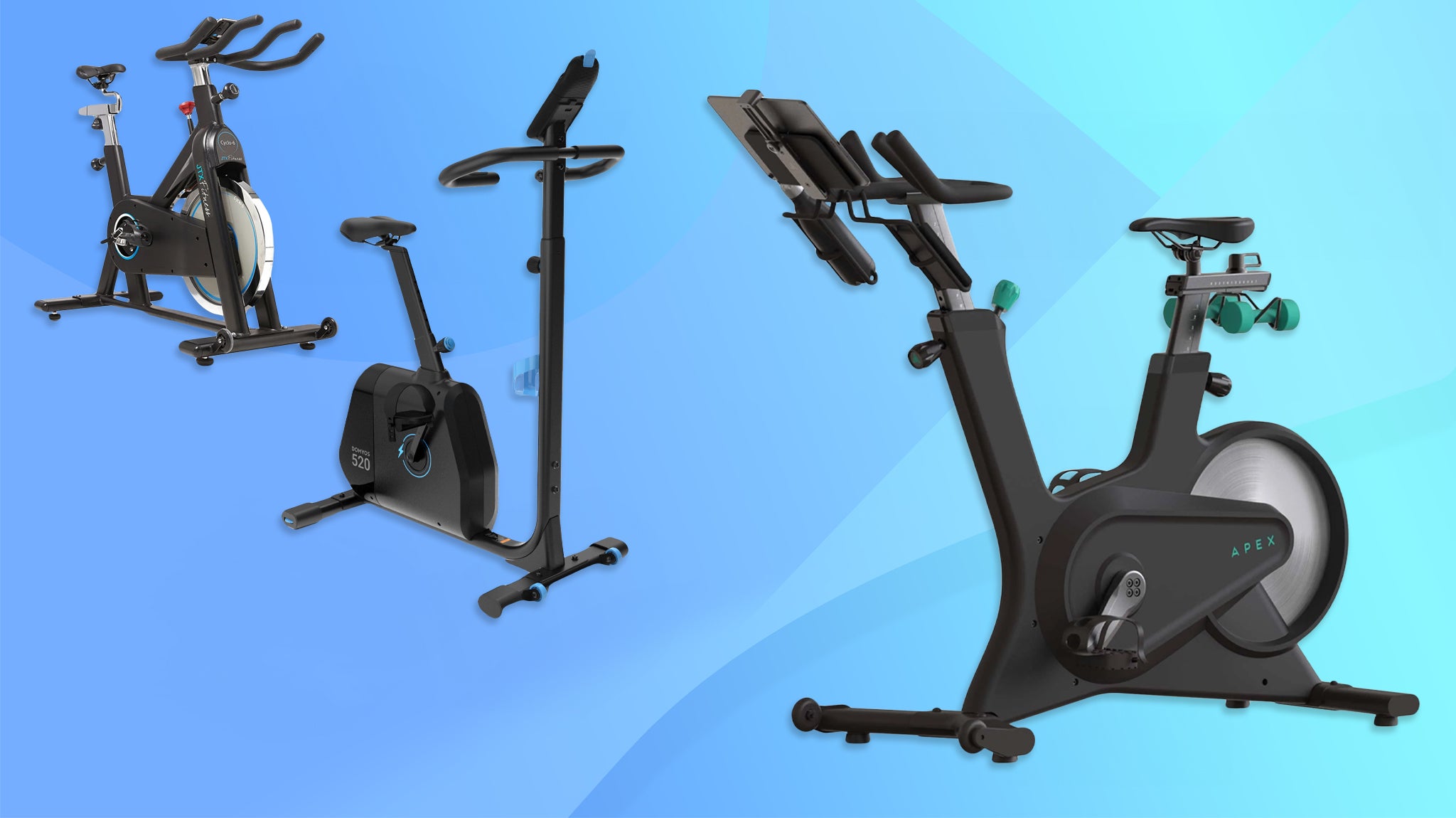
Are you tired of going to the gym and ready to bring your fitness routine home? If so, you’ve probably considered adding a spin bike to your setup. Spin bikes are one of the most effective pieces of equipment for cardio and strength training, offering a full-body workout that can be done from the comfort of your home.
In this article, I will walk you through everything you need to know to choose the best spin bike for your needs, from types of spin bikes to key features like resistance levels and flywheel weight. By the end of this guide, you’ll have all the information necessary to make an informed decision.
Table of Contents
- Introduction
- Why Choose a Spin Bike for Home?
- Different Types of Spin Bikes
- Spin Bikes vs Regular Exercise Bikes
- Key Features to Consider
- Resistance Types
- Flywheel Weight
- Adjustable Components
- Additional Features
- Top Spin Bikes in 2024
- MERACH 4-in-1 Spin Bike
- GOVITA PX1
- PASYOU Magnetic Spin Bike
- LABGREY Professional Spin Bike
- How to Choose the Right Spin Bike for You
- Fitness Goals
- Budget
- Space Considerations
- Pros and Cons of Owning a Spin Bike
- Spin Bike Maintenance Tips
- FAQs
Why Choose a Spin Bike for Home?
There are plenty of reasons why a spin bike could be the perfect addition to your home gym. Spin bikes are designed for high-intensity workouts that build both endurance and strength. Plus, they’re compact enough to fit into most home environments and offer the convenience of anytime fitness.
Unlike treadmills, spin bikes are low-impact, which means they’re gentler on your joints while still delivering an intense cardiovascular workout. Whether you’re a fitness enthusiast or a beginner, spin bikes can be adjusted to meet your needs.
Different Types of Spin Bikes
Choosing a spin bike can be overwhelming due to the variety of options available on the market. To make an informed decision, it’s important to understand the different types.
Spin Bikes vs Regular Exercise Bikes
A common question is: What’s the difference between a spin bike and a regular exercise bike? The primary distinction is the posture and the intensity of the workout.
-
Spin Bikes: Designed for high-intensity interval training (HIIT) and simulating outdoor cycling. They allow for standing pedal exercises and focus on both the upper and lower body.
-
Regular Exercise Bikes: These bikes are more suitable for steady, low-intensity cardio and are often used for rehabilitation or casual workouts.
Key Features to Consider
When buying a spin bike, it’s essential to consider several features that will directly affect your workout experience.
Resistance Types
The resistance on a spin bike determines how hard you’ll need to pedal, and there are three main types: mechanical, magnetic, and electromagnetic.
-
Mechanical Resistance: Involves a pad or belt that creates friction on the flywheel. It’s more affordable but tends to wear down over time.
-
Magnetic Resistance: Uses magnets to increase or decrease resistance. This type is quieter and requires less maintenance.
-
Electromagnetic Resistance: The highest-end option, often found in professional models. It offers a smooth experience and is usually controlled via digital buttons or a display.
Flywheel Weight
The flywheel is a crucial part of any spin bike, and its weight will determine the smoothness and intensity of your ride.
- Flywheels typically range from 10 kg to 30 kg.
- A heavier flywheel provides more stability and mimics outdoor cycling, while lighter flywheels are easier for low-intensity workouts.
For most users, a 20 kg flywheel strikes a balance between flexibility and challenge.
Adjustable Components
Comfort is key when using a spin bike, especially during longer workouts. Look for bikes with adjustable:
- Seat height and position
- Handlebar height
- Pedal straps
These adjustments ensure you maintain the proper form and avoid injury.
Additional Features
Modern spin bikes come with a range of extras that can enhance your workout experience:
- LCD Displays: Track your time, distance, speed, and calories burned.
- Heart Rate Monitors: Help you stay in your target heart rate zone.
- Bluetooth Compatibility: Sync with apps for fitness tracking or follow along with virtual classes.
- Bottle Holders and Tablet Stands: Keep hydrated and entertained during your workout.
Top Spin Bikes in 2024
MERACH 4-in-1 Spin Bike
The MERACH 4-in-1 Spin Bike is an innovative model designed for those who want a versatile workout. Its 16 levels of magnetic resistance offer a smooth, silent ride. Additionally, the bike can be used in multiple positions, allowing for upper body and lower body workouts.
GOVITA PX1
The GOVITA PX1 is a high-end spin bike ideal for serious cyclists. With its 24 kg flywheel and adjustable resistance, it’s perfect for intense aerobic sessions. It also features a Silent+ belt system, ensuring that your workouts are quiet and smooth.
PASYOU Magnetic Spin Bike
The PASYOU Magnetic Spin Bike stands out for its sturdy design and 30 lb flywheel, making it great for those seeking a stable, durable option. Its magnetic resistance provides a quiet and customizable workout experience, and its adjustable seat and handlebar make it suitable for users of all heights.
LABGREY Professional Spin Bike
For a professional-grade indoor cycle, the LABGREY Professional Spin Bike offers a 15 kg flywheel and adjustable handlebars that accommodate a variety of workout intensities. Its robust design ensures durability, while its LCD monitor allows for performance tracking.
How to Choose the Right Spin Bike for You
Fitness Goals
Your choice of spin bike should be based on your fitness objectives. If you’re a beginner, you may want to start with a model that offers basic features. If you’re aiming for high-intensity workouts, opt for a spin bike with a heavier flywheel and a wider range of resistance levels.
Budget
Prices for spin bikes vary widely, from budget-friendly models to high-end machines. It’s important to set a budget and stick to it while prioritizing the features most important to you, like resistance type or flywheel weight.
Space Considerations
Spin bikes can take up a considerable amount of space, so measure your available room before making a purchase. Many bikes, like the MERACH 4-in-1, offer foldable designs that make storage easier.
Pros and Cons of Owning a Spin Bike
Pros:
- Convenient at-home workouts
- Low-impact exercise, reducing the risk of joint injury
- Versatile and customizable intensity levels
- Compact and space-saving
Cons:
- Initial investment can be high
- Requires regular maintenance
- Can be noisy without proper care
Spin Bike Maintenance Tips
- Keep it clean: Wipe down your spin bike after each workout to remove sweat and dust.
- Check for wear: Inspect belts, pads, and flywheel for signs of wear and tear.
- Lubricate moving parts: Periodically oil chains or belts to keep them functioning smoothly.
Conclusion
Incorporating a spin bike into your home workout routine is a fantastic way to stay in shape without ever stepping foot in a gym. Whether you’re a fitness newbie or a seasoned athlete, finding the right spin bike for your needs will provide a challenging yet rewarding workout.
Take the time to assess your fitness goals, budget, and available space to make the best choice. With so many options on the market in 2024, there’s a perfect spin bike for everyone.
FAQs
1. Can I use a spin bike if I’m a beginner?
Absolutely! Many spin bikes offer adjustable resistance levels that allow beginners to start slow and build up intensity over time.
2. How much should I spend on a spin bike?
It depends on your budget and needs. Entry-level models start around $200, while professional-grade bikes can cost over $1,000.
3. Is a heavier flywheel better?
Not necessarily. A heavier flywheel offers more stability and resistance, but it may be too challenging for beginners or those seeking low-intensity workouts.
4. How do I maintain my spin bike?
Regular cleaning, lubricating moving parts, and checking for wear are key to keeping your bike in top shape.
5. Can I use my tablet or smartphone while cycling?
Yes, many spin bikes come with tablet holders so you can watch videos or follow virtual workout classes.
6. How noisy are spin bikes?
It depends on the model and resistance type. Magnetic and electromagnetic bikes tend to be quieter than mechanical models.
7. Do I need special shoes for a spin bike?
While not necessary, cycling shoes with cleats can help improve performance and prevent foot slippage during high-intensity sessions.
8. How much space do I need for a spin bike?
Most spin bikes have a footprint of about 100 cm in length and 50 cm in width, so ensure you have enough room to move around comfortably.


