
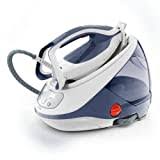
Looking for a steam iron without a boiler? You’ve come to the right place! In this guide, we’ll take you through the best models on the market, explain what features you need to consider, and help you make the best choice for your ironing needs. Whether you’re a casual ironer or someone who tackles large piles of laundry, there’s a perfect iron for you. Ready? Let’s dive in!
What is a Steam Iron Without a Boiler?
A steam iron without a boiler is a more compact, lighter alternative to traditional steam irons with boilers. These irons work by converting water into steam directly from the tank, making them convenient and easy to use for most households. They are portable and heat up quickly, providing a seamless ironing experience.
Top Steam Irons Without a Boiler
1. Braun TexStyle 1 SI 1019
The Braun TexStyle 1 SI 1019 is known for its user-friendly design and efficiency. With a power of 1900W, it heats up in just 35 seconds, making it an ideal choice for busy individuals. The precision tip and non-stick coating make it a breeze to glide through different fabrics.
Features:
- 1900W power
- 220ml water tank
- 130g/min steam shot
- Compact and lightweight
2. Rowenta DW6330D1 Eco Intelligence
Looking for an eco-friendly option? The Rowenta DW6330D1 features advanced steam technology and uses 30% less energy with its Eco Steam mode. This model’s Microsteam 400 HD 3D soleplate ensures even steam distribution, perfect for efficient ironing.
Features:
- 2500W power
- 300ml water tank
- Microsteam 400 HD 3D soleplate
- Eco Steam mode
3. Philips EasySpeed
Philips EasySpeed is a no-fuss steam iron that guarantees quick heat-up and effective steam distribution. Its ceramic soleplate and powerful steam shot (up to 100g) ensure a smooth and wrinkle-free ironing experience.
Features:
- 2000W power
- 220ml water tank
- Ceramic soleplate
- Steam shot up to 100g/min
Why Choose a Steam Iron Without a Boiler?
Steam irons without boilers are favored for their compact design, ease of use, and speed. They heat up faster and are much easier to store compared to traditional irons with bulky water tanks. They also tend to be more affordable, making them an excellent choice for those who iron casually or don’t have large storage spaces.
Key Benefits:
- Quick Heat-Up: Most models heat up in less than a minute.
- Portability: Smaller size makes them easy to handle and store.
- Affordability: Less expensive than models with boilers.
- Versatility: Suitable for most fabrics and everyday ironing.
How to Choose the Best Steam Iron Without a Boiler
1. Steam Output
The steam output of an iron is measured in grams per minute (g/min). A higher output means more steam, which helps relax fabric fibers for easier ironing.
- Continuous steam: This refers to the amount of steam the iron produces regularly without manual intervention. Look for models with at least 30g/min for effective ironing.
- Steam shot: A burst of steam that helps tackle tougher wrinkles. Ideal models offer at least 100g/min.
2. Power and Heat-Up Time
Power is measured in watts, and the higher the wattage, the faster the iron heats up. Look for models with at least 2000W for a quick start-up time.
3. Soleplate Material
The soleplate material plays a significant role in how easily the iron glides over your fabrics. The most common materials are:
- Ceramic: Smooth, evenly heats, ideal for delicate fabrics.
- Stainless Steel: Durable and glides well.
- Teflon/Aluminum: Offers excellent precision but may wear out faster.
4. Water Tank Capacity
A larger water tank means you can iron for longer periods without refilling. Most steam irons without boilers offer a tank capacity between 200ml and 300ml, which is sufficient for regular home use.
5. Weight and Size
Weight affects how easy the iron is to use, especially for long ironing sessions. A lightweight model is more manageable, while heavier irons might offer more pressing power.
Additional Features to Look For
1. Anti-Calc Technology
Hard water can lead to lime scale buildup, which clogs steam vents and affects the iron’s performance. Look for models with anti-calc technology to reduce maintenance and prolong the iron’s lifespan.
2. Auto Shut-Off
Safety first! The auto shut-off feature turns the iron off after a period of inactivity, preventing accidents and conserving energy.
3. Vertical Steam
A handy feature if you want to freshen up clothes, curtains, or upholstery without using an ironing board. It allows you to steam garments vertically, directly on the hanger.
4. Ergonomic Design
An ergonomic handle and a well-balanced design can make all the difference during long ironing sessions. Look for handles that feel comfortable and models with a lightweight body for easy maneuverability.
Top Models Based on Unique Features
1. Rowenta DW8215 PRO Master
A premium choice with a high continuous steam output of 45g/min and a powerful 200g steam shot, the Rowenta DW8215 PRO Master is perfect for heavy-duty ironing. The integrated anti-calc system ensures long-lasting performance.
Why It’s Great:
- 2800W power
- 200g steam boost
- Vertical steam capability
2. Russell Hobbs 20562-56
This model offers excellent value for money. Its ceramic soleplate ensures smooth gliding, and the steam shot of 210g/min tackles tough wrinkles with ease.
Why It’s Great:
- 2600W power
- 300ml water tank
- 210g steam shot
3. Philips Azur Series 7000
With a continuous steam output of 50g/min and a powerful steam boost of 250g, the Philips Azur 7000 is ideal for people who need to handle tough fabrics like denim or linen.
Why It’s Great:
- 2800W power
- 250g steam boost
- SteamGlide Plus soleplate
Why Steam Irons Without Boilers Are the Future
Gone are the days when only bulky irons with separate boilers could deliver effective steam ironing. Today’s models without boilers are sleek, powerful, and perfect for home use. They offer the best of both worlds—portability and performance.
FAQs
1. How does a steam iron without a boiler work?
Steam irons without boilers heat water directly from their built-in tank, converting it into steam as you iron.
2. How often should I descale my steam iron?
It depends on your water quality. If you have hard water, descale your iron every 1-2 months to avoid lime scale buildup.
3. Is ceramic better than stainless steel for a soleplate?
Both materials are excellent. Ceramic is smooth and great for delicate fabrics, while stainless steel is durable and glides easily over tougher fabrics.
4. Can I use tap water in my steam iron?
If your iron has an anti-calc system, it’s safe to use tap water. Otherwise, it’s better to use distilled water to prevent mineral buildup.
5. What is the difference between steam shot and continuous steam?
Continuous steam is a steady release of steam, while the steam shot is a burst of powerful steam for tough wrinkles.
6. Can I steam curtains with a regular iron?
Yes, as long as your iron has a vertical steam feature, you can freshen up curtains, upholstery, and even hanging clothes.
7. Are steam irons without boilers as powerful as those with boilers?
While traditional irons with boilers tend to have higher steam output, modern steam irons without boilers are powerful enough for everyday use and can handle most fabrics with ease.
8. Are wireless steam irons less powerful?
Wireless irons may not be as powerful as their corded counterparts, but they offer unmatched convenience, especially for quick touch-ups.


