
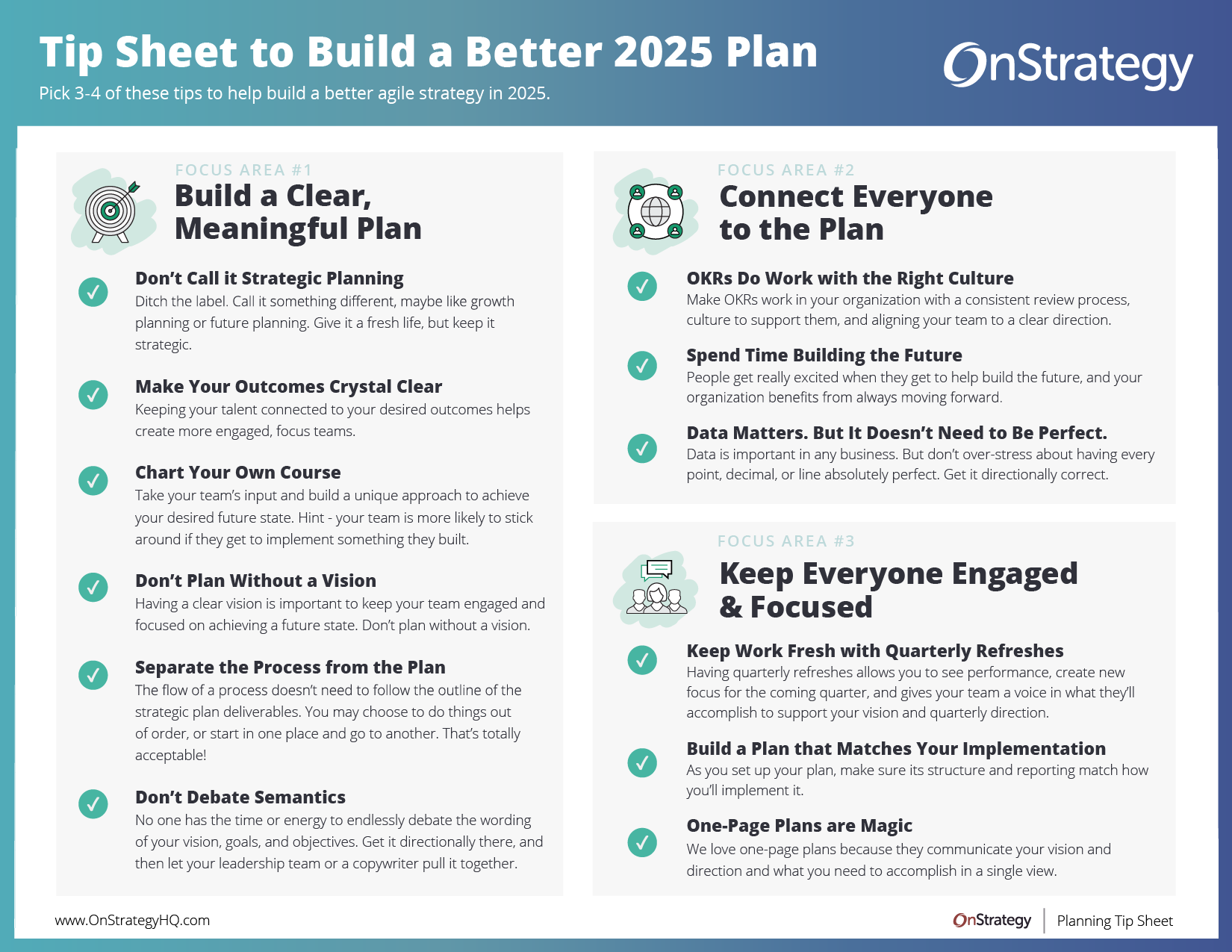
Starting a new venture or scaling an existing business in 2025 requires more than just ambition; it demands a well-thought-out business plan. In today’s rapidly evolving marketplace, businesses need to adapt to technological changes, shifting consumer behaviors, and economic fluctuations. A solid business plan can be your roadmap to success, guiding your decisions and providing the framework to achieve your goals. In this article, we’ll explore the essential elements of creating a winning business plan for 2025, helping you lay the foundation for a thriving enterprise.
Understanding the Importance of a Business Plan
A business plan serves several critical functions:
-
Attracts Investors: A comprehensive business plan will capture the interest of potential investors by clearly outlining your business idea, market potential, and financial forecasts.
-
Guides Strategy Development: It provides a structured approach to your business operations, allowing you to prioritize your goals and allocate resources effectively.
-
Mitigates Risk: By emphasizing research and projections, a business plan can identify potential risks and the strategies necessary to mitigate them.
-
Tracks Progress: A business plan is not a set-it-and-forget-it document; it should evolve with your business. Regular updates enable you to monitor your growth and adjust plans accordingly.
With that in mind, let’s delve into the key components of a winning business plan for 2025.
1. Executive Summary
The executive summary is the first part of your business plan, yet it’s often the last section you’ll write. This is a concise summary of your entire plan, but it shouldn’t just be a regurgitation of the rest of the document. Instead, it should encapsulate the essence of your business — its mission, vision, value proposition, and high-level financial projections.
Tips for Crafting an Effective Executive Summary:
- Keep It Brief: Ideally, your executive summary should be one to two pages long.
- Engage Your Audience: Use compelling language that captures the reader’s interest.
- Highlight Key Points: Clearly outline what sets your business apart and the potential for growth.
2. Company Description
The company description provides a deeper insight into who you are, what you do, and what makes your business unique. In this section, you should include:
- Business Structure: Describe whether your business is a sole proprietorship, partnership, or corporation.
- Mission Statement: Clearly articulate your company’s mission and how it aligns with your target market.
- Products or Services: Detail the products or services you offer and their benefits to consumers.
- Location: Mention where your business operates, including any significant facilities or branches.
3. Market Analysis
One of the most vital parts of your business plan is a thorough market analysis. A comprehensive market study not only reveals opportunities for growth but also helps you understand your competition.
Steps for Conducting Market Analysis:
- Identify Your Target Market: Define your ideal customers based on demographics, interests, and behaviors.
- Analyze Industry Trends: Understand current trends affecting your industry in 2025. This could be influenced by technological advancements, regulatory changes, or shifts in consumer preferences.
- Evaluate Competitors: Identify your main competitors, assess their strengths and weaknesses, and determine your competitive advantage.
4. Marketing Strategy
Your marketing strategy outlines how you will attract and retain customers. Given the digital landscape in 2025, it’s crucial to embrace innovative marketing channels.
Key Components of Your Marketing Strategy:
- Branding: Clearly define your brand identity and how it resonates with your target audience.
- Digital Marketing: Consider leveraging social media, SEO (search engine optimization), and content marketing to engage potential customers effectively.
- Customer Retention: Develop a strategy for retaining customers, such as loyalty programs, subscription services, or personalized marketing approaches.
5. Organization and Management
An overview of your company’s organizational structure is essential. This section provides insight into your management team and their roles.
Elements to Include:
- Organizational Chart: A visual representation of your business structure can clarify roles and responsibilities.
- Management Team: Introduce your leadership, including their qualifications and relevant experience.
- Hiring Plans: If applicable, outline your hiring strategy to grow your team in alignment with your business objectives.

- Overcome negative thought patterns, reduce stress, and live a worry-free life
- Overthinking is the biggest cause of unhappiness
- Don't get stuck in a never-ending thought loop
- Stay present and keep your mind off things that don't matter, and never will
- Break free of your self-imposed mental prison
6. Service or Product Line
In this section, you will describe your products or services in detail. Understanding the specifics can make a substantial difference in how investors and stakeholders view your business’s potential.
Tips for Presenting Your Offerings:
- Detailed Descriptions: Include information about the lifecycle of your products/services and what makes them unique.
- Market Positioning: Explain how your offerings stand out from competitors and how they meet the needs of your target audience.
- Research and Development: If relevant, outline any R&D efforts that demonstrate your commitment to innovation.
7. Sales Strategy
Your sales strategy describes how you plan to sell your products or services. This includes your pricing model, sales tactics, and avenues for distribution.
Key Considerations:
- Sales Process: Outline the customer journey from awareness to purchase.
- Pricing Strategy: Discuss your pricing model and how it aligns with market expectations.
- Sales Forecasts: Provide projected sales over the next few years, taking into account any seasonal variations or market shifts.
8. Funding Requirements
If you’re seeking funding, this section outlines your financial needs for the next few years. Be explicit with the amount of money you require and how it will be used.
Components to Cover:
- Funding Amount: Clearly state how much funding you are seeking.
- Use of Funds: Break down how you will allocate the funds (e.g., marketing, hiring, equipment, etc.).
- Exit Strategy: If applicable, discuss how investors can exit the business and the potential for ROI (return on investment).
9. Financial Projections
To secure funding, you need to provide detailed financial projections that align with your funding requirements.
Key Elements to Include:
- Revenue Predictions: Offer revenue forecasts for the next three to five years, backed by market research.
- Break-Even Analysis: Calculate your break-even point to show how long it might take to become profitable.
- Profit and Loss Statement: If applicable, include previous financial statements to establish credibility.
10. Appendix
The appendix includes any additional materials too lengthy to be in the main body of the business plan. This can include charts, graphs, resumes, legal documents, or other relevant documents that support your business case.
Adapting to Changes in 2025
As we navigate through the complexities of 2025, flexibility and adaptability are essential in your business planning process. The global market is influenced by technology, consumer behavior, and environmental considerations at an unprecedented rate.
Embracing Technology
Advancements in AI, machine learning, and automation will shape the future of business in 2025. Integrating these technologies into your operations can streamline processes, enhance customer experiences, and provide valuable data insights.
Sustainability Considerations
More consumers are prioritizing sustainability in their purchasing decisions. Incorporating eco-friendly practices in your business model can set you apart and attract a loyal customer base.
Remote Work Trends
The pandemic accelerated the shift to remote work, a trend that’s likely to persist. Develop a flexible structure that allows your team to thrive, regardless of their work location.
Final Thoughts
Creating a winning business plan in 2025 requires attention to detail, a clear understanding of your market, and a willingness to pivot as necessary. By incorporating the components discussed in this article, you can develop a robust plan that not only guides your business but also attracts potential investors and partners.
Ultimately, a well-conceived business plan is not just a written document; it’s a framework that helps you envision your success. So equip yourself with the right tools, stay informed about market trends, and be adaptable — your journey to entrepreneurial success in 2025 starts with a winning business plan!
With a compelling and thoughtfully composed business plan as your foundation, you’re well on your way to reflecting the unique vision and capabilities of your business, setting the stage for long-term success in the challenging yet rewarding business environment of 2025. Happy planning!


